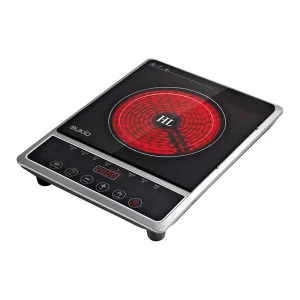
Customized Professional Induction Cookware Ceramic Cooktop Induction Cooker Ceramic Glass
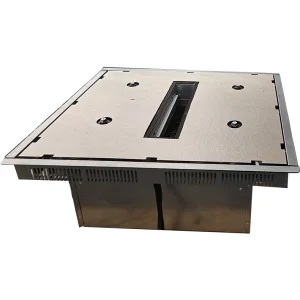
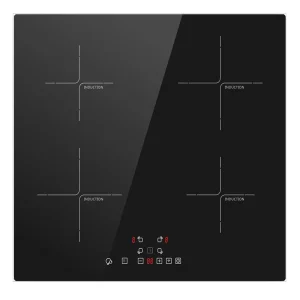
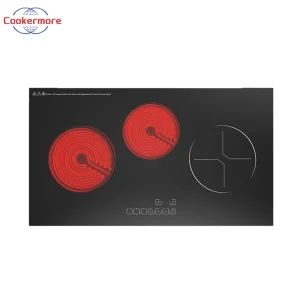
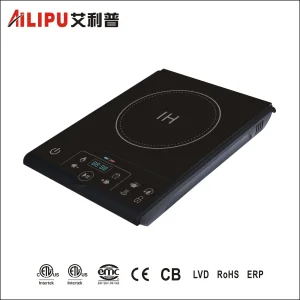
ETL Approval Household Appliance Single Burner Hot Sell Induction Cooktop
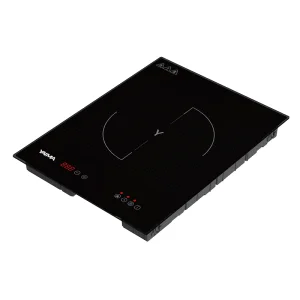
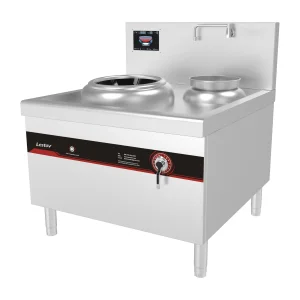
Freestanding Single Burner Induction Wok Range with Small Water Pot for Commercial Kitchen
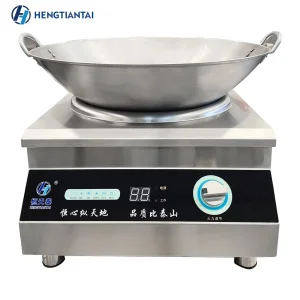
Commercial 5kw Concave Induction Cooker, Single Plate Desktop Wok Cooker for Restaurant Stir Fry
The global cooking appliance sector is undergoing a rapid, structural transition driven by decarbonization mandates, energy conservation initiatives, and the pursuit of precise thermal control. Portable induction stoves have emerged as a core focus in this transition, serving residential, commercial, and recreational markets. In contrast to traditional radiant electric coils or gas burners that rely on thermal conduction or convection, induction heating uses direct electromagnetic coupling to generate heat directly within the cookware.
This method delivers thermal efficiencies exceeding 90%, compared to approximately 40% for gas stoves and 60% for standard electric cooktops. For commercial procurement managers, private label distributors, and OEMs, securing a reliable, technically advanced manufacturing partner in China is essential to capturing market share in this growing segment.
Did you know? Transitioning a commercial kitchen from gas to induction can reduce energy consumption by up to 50% while maintaining precise control over temperature curves.
Based in Foshan, Guangdong Province—a globally recognized hub for home appliance manufacturing—Foshan Aris Cooktop Co., Ltd. is a specialized manufacturer and supplier of smart induction hobs and portable induction stoves. Our operations combine research and development, advanced manufacturing, and global B2B distribution.
We supply a diverse range of products, including sleek, built-in induction cooktops, high-performance portable induction cookers, robust commercial induction stoves, multi-burner hobs, and IoT-enabled smart cooking appliances. By integrating automated assembly lines, modern industrial design, and rigorous quality assurance protocols, Aris Cooktop delivers durable, energy-efficient solutions built to international standards.
We work closely with global brands, retail chains, and commercial food service distributors under flexible OEM and ODM frameworks. Our engineering team translates market requirements into functional, certified products, offering customized user interfaces, firmware adjustments, custom coil layouts, and bespoke structural designs.
Why sourcing from Foshan provides cost, scale, and technological advantages for global buyers.
Foshan’s industrial cluster provides immediate, localized access to high-quality raw materials, electromagnetic copper coils, high-frequency microcontrollers (MCUs), cooling fans, and tempered ceramic glass panels (including partnerships with leading providers like Kanger and Schott). This proximity minimizes logistics delays and optimizes raw material pricing.
Our facilities employ automated coil winding, high-precision surface mount technology (SMT) for PCB assembly, and robotic chassis construction. This level of automation reduces human error, increases yield rates, and maintains consistent product build quality across large production runs.
By operating inside China's primary appliance hub, we can take a product from design concept, prototype modeling, and 3D testing to certified pilot runs faster than western manufacturers. This speed-to-market is a critical asset for brands updating their catalogs annually.
Portable induction cookers rely on high-frequency magnetic fields to heat ferromagnetic vessels. The performance of these systems depends on several core technical components:
To access major consumer markets like North America, the European Union, and the Asia-Pacific region, compliance with safety and environmental standards is mandatory. Foshan Aris Cooktop maintains a comprehensive compliance portfolio to simplify import processes for our B2B partners:
Our production facilities undergo routine audits to verify compliance with international standards. We perform 100% on-line testing for key safety metrics, including high-voltage insulation resistance, leakage current, and grounding continuity, ensuring every unit is safe and reliable before shipment.
Compliance with UL 1026 and CSA C22.2 standards for safe operations in North American commercial and residential environments.
Compliance with EU low voltage directives (LVD) and electromagnetic compatibility (EMC) guidelines for distribution within the European Economic Area.
Guarantees that all plastic enclosures, solder alloys, and internal components are free from lead, mercury, cadmium, and hazardous substances.
Verifies that high-frequency electromagnetic fields generated by the induction coil do not interfere with external communication systems.
Analyzing key market segments and end-user environments driving demand for portable induction hobs.
In dense metropolitan areas globally, micro-apartments and studio flats lack the gas infrastructure or space for traditional multi-burner ranges. A single-burner or slim double-burner portable induction stove provides high-power cooking without requiring a permanent kitchen layout, maximizing usable counter space.
Safety is a primary concern in enclosed mobile spaces like RVs, caravans, and yachts. By eliminating open flames and gas leaks, portable induction stoves reduce fire hazards. Their low standby power draw and high heating efficiency make them suitable for inverter-powered off-grid electrical systems.
For buffet lines, tableside cooking, and outdoor catering, presentation and safety are paramount. Sleek, high-power (3kW to 5kW) portable induction woks and cooktops allow chefs to perform stir-fries or maintain precise temperatures for delicate sauces without generating excessive ambient heat.
A look inside our manufacturing processes, testing chambers, and assembly lines in Foshan, China.
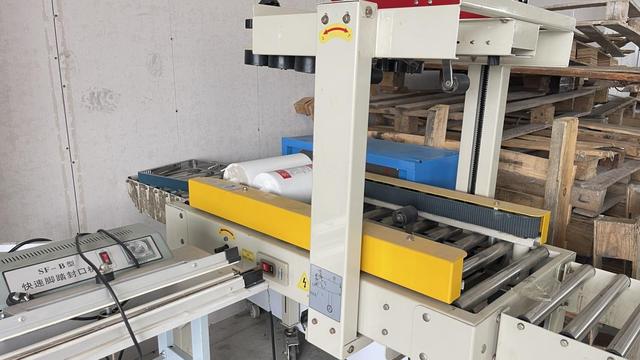
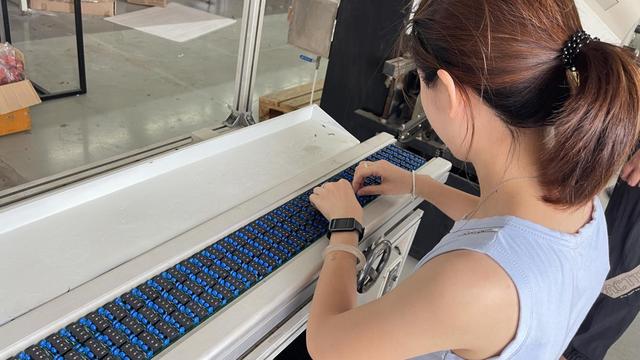
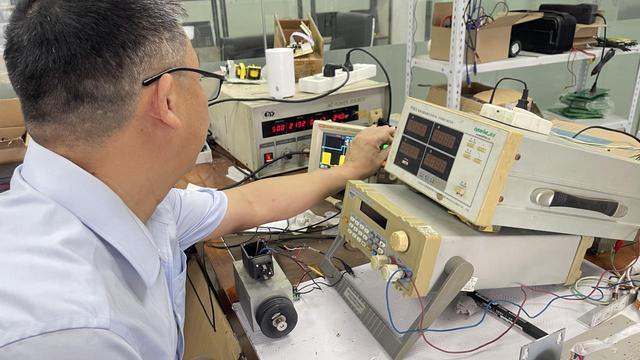
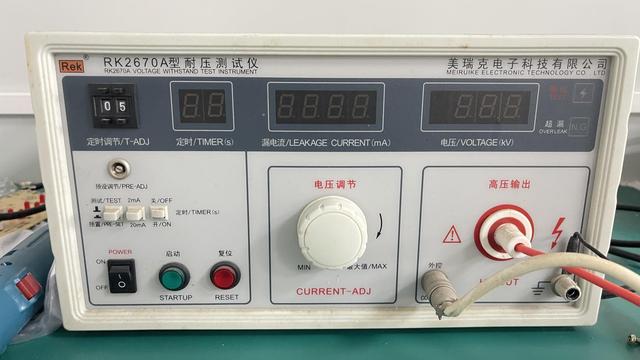
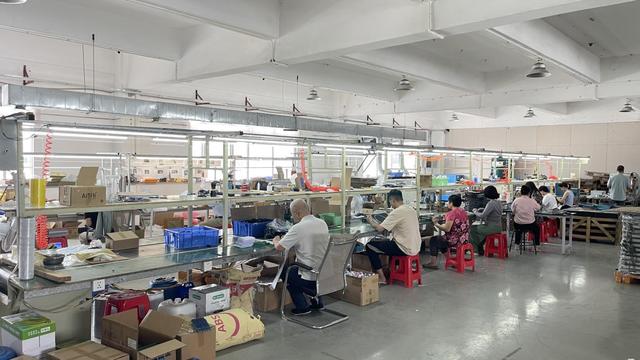
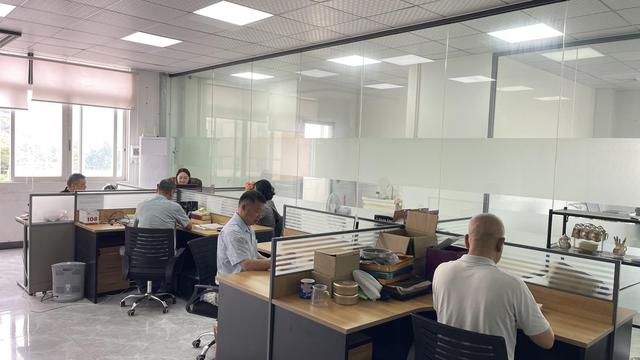
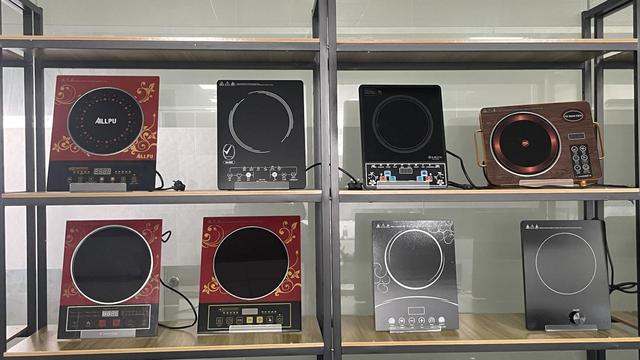
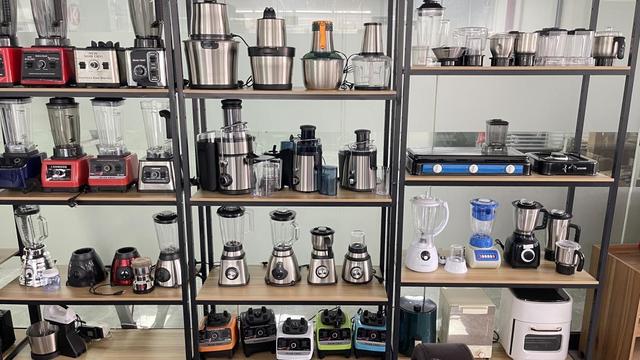
Navigating manufacturing customization requires a clear understanding of configuration options. At Foshan Aris Cooktop Co., Ltd., we provide a structured ODM/OEM workflow designed for international buyers:
B2B Technical Sourcing Specification Matrix: Our standard customizable options allow you to tailor the product to your target market's specific preferences and regulatory environment.
| Specification Parameter | Standard Offering | Customizable Limits |
|---|---|---|
| Power Output Range | 1800W - 2100W | 500W up to 5000W (Commercial Grades) |
| Glass-Ceramic Panel | Polished Black Glass (Kanger) | Schott Ceran, Transparent glass, pattern printing |
| Control Mechanism | Capacitive Touch Panels | Rotary Dials, Analog Knobs, Slide Touch controls |
| Chassis Materials | ABS Polycarbonate Blend | SUS304 Stainless Steel, Aluminum alloy frame |
| IoT Protocol | Not Applicable | Tuya WiFi Smart Control, App Integration, Bluetooth |
Our R&D team tracks emerging technologies to design products aligned with global regulations and consumer expectations.
Traditional induction cookers require placing cookware within a designated circular boundary. Next-generation portable stoves utilize dense micro-coil matrices coupled with automated pan-detection algorithms. This tech allows users to place square, rectangular, or irregular pots anywhere on the cooking surface.
As modern dwellings focus on reducing exhaust ducting, downdraft venting systems are migrating into portable and semi-portable hobs. These systems draw fumes downwards, routing them through active charcoal filters to capture grease and odors directly at the cooking surface.
European markets are emphasizing "Right to Repair" initiatives and low embedded-carbon footprint products. Our engineering team is developing modular internal layouts, allowing technicians to replace individual PCBs or coil blocks without discarding the entire appliance, reducing electronic waste.
Insights on MOQ, certifications, lead times, and engineering specifications for distributors and purchasing officers.
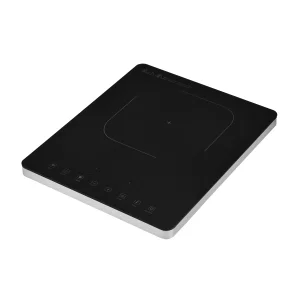
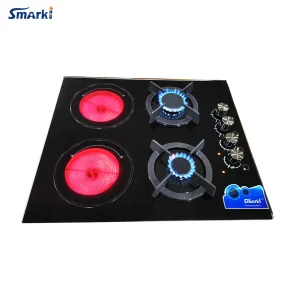
2 Gas 2 Electrical Hybrid Cooktop Built in 4 Burners Combi Hob
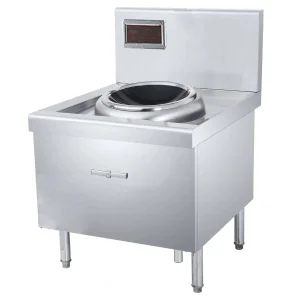
. Premium Single-Zone Concave Induction Cooktop for Efficient Cooking
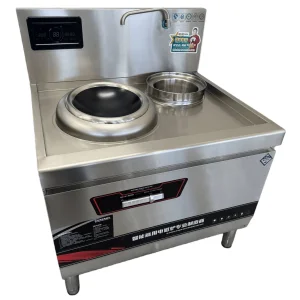
Commercial Induction Wok Cooker Energy Saving Cooking Equipment for Restaurant Kitchen
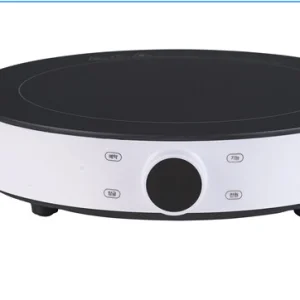
Professional Manufacturer Rounded Induction Cooker Induction Stove OEM ODM
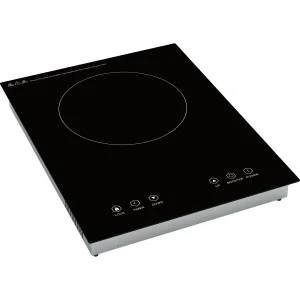
Induction Cooker Electric Stove Single Burner 2100W Key Control Cooktop
 Aris Cooktop