Explore our top-tier engineered induction hobs designed for both heavy-duty commercial applications and sleek smart homes.
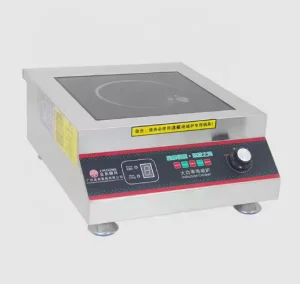
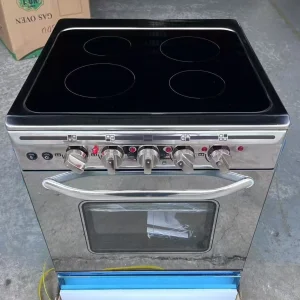
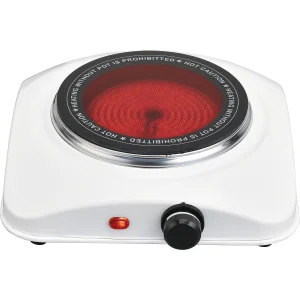
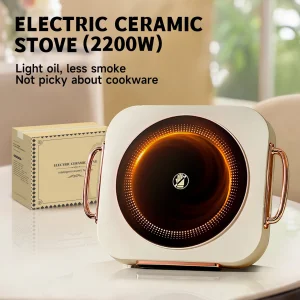
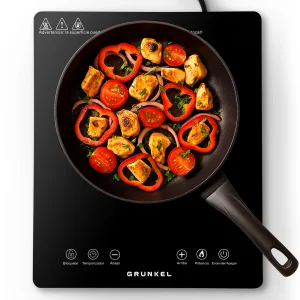
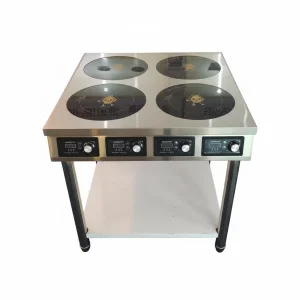
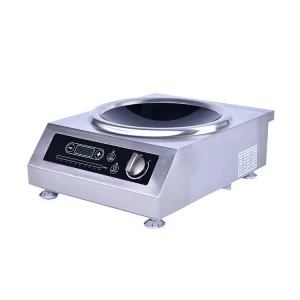
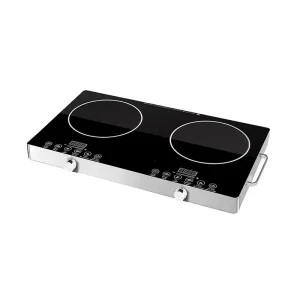
Foshan Aris Cooktop Co., Ltd. is a professional China induction cooktop manufacturer and smart induction stove supplier, specializing in the research, development, manufacturing, and global distribution of advanced kitchen cooking appliances. Based in Foshan, Guangdong, a renowned center for home appliance manufacturing, the company is committed to delivering innovative, energy-efficient, and reliable cooking solutions for customers worldwide.
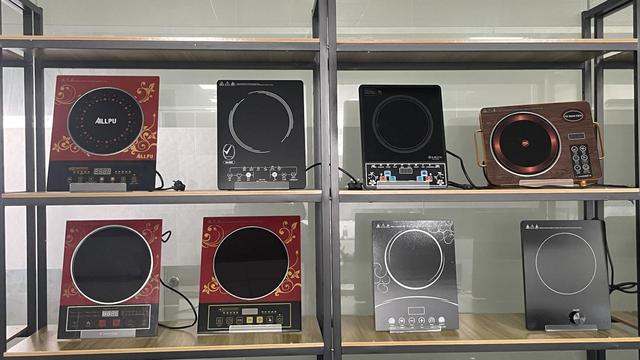
Aris Cooktop offers a comprehensive range of products, including built-in induction cooktops, portable induction cookers, commercial induction stoves, double burner induction cooktops, smart induction hobs, and customized kitchen appliance solutions. Combining modern design with intelligent technology, our products are engineered to provide fast heating, precise temperature control, enhanced safety, and superior energy efficiency for both residential and commercial applications.
Driven by innovation, quality, and customer satisfaction, Foshan Aris Cooktop Co., Ltd. continues to strengthen its presence in global markets. We strive to become a trusted partner for smart kitchen appliances by delivering high-performance induction cooking solutions that create safer, more convenient, and energy-saving cooking experiences for consumers around the world.
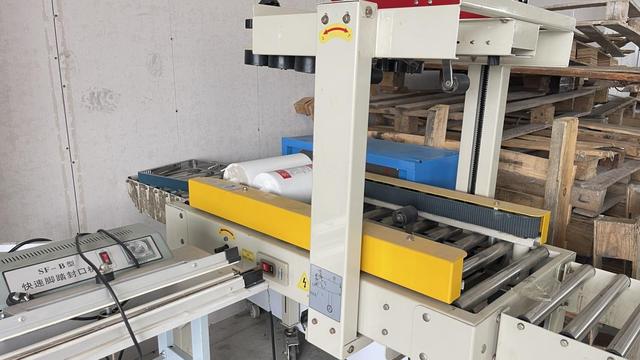
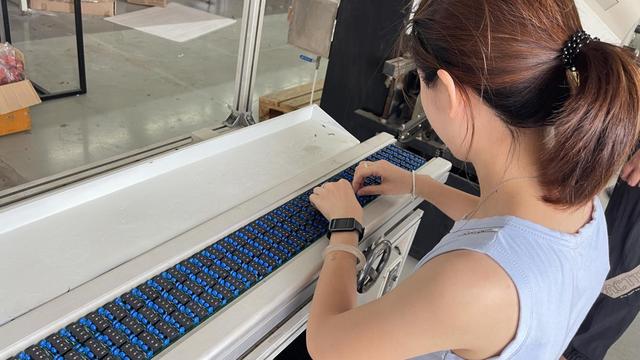
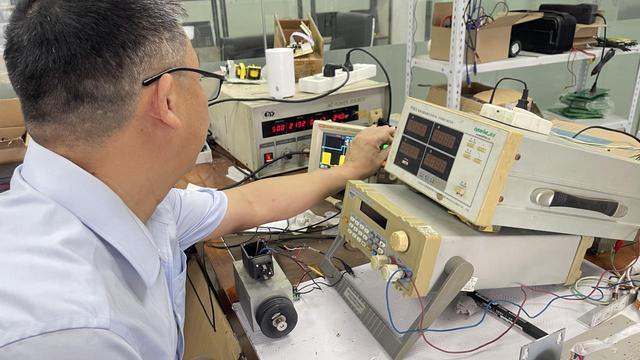
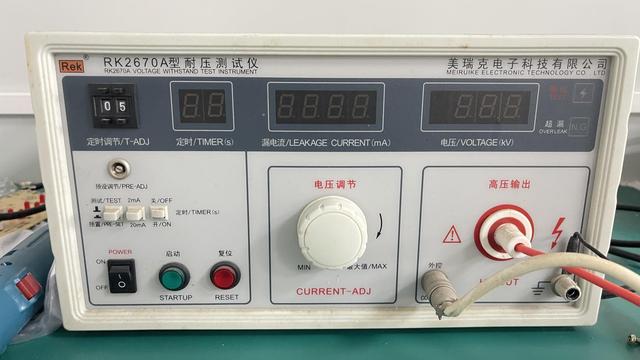
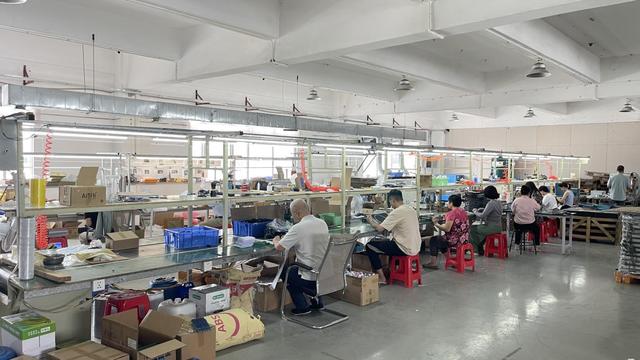
Production Facility Excellence: Equipped with advanced production facilities and automated assembly lines, Aris Cooktop maintains strict quality control throughout every stage of manufacturing. From raw material sourcing and component inspection to product testing and final packaging, each induction cooktop undergoes comprehensive performance and safety evaluations to ensure compliance with international quality standards.
The geological advantage of being situated in Shunde & Foshan, Guangdong provides unparalleled industrial ecosystem benefits.
Foshan is the Silicon Valley of home appliances. Over 90% of induction cooktop components—from high-grade microcrystalline glass panels to high-voltage copper coils—are sourced within a 50-kilometer radius. This translates to incredibly low raw material shipping times, fast design alterations, and minimal logistics costs.
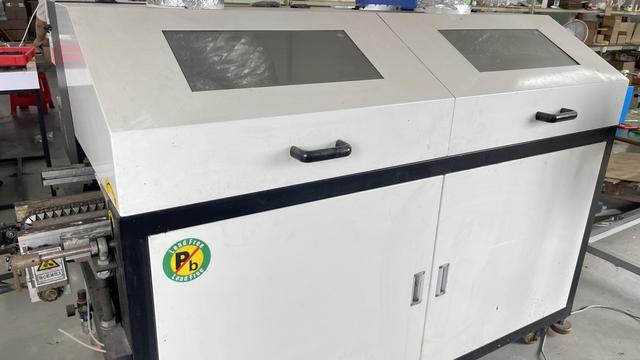
We invest heavily in state-of-the-art Surface Mount Technology (SMT) and automated copper coil winding machines. Consistent component winding reduces parasitic losses in coil units and increases overall heating efficiency past 90%, outperforming old gas methods by a landslide.
Our proximity to internationally accredited testing labs (SGS, TUV, Intertek) allows for fast engineering iterations. We secure local pre-approvals for key global regulations (CE, CB, ETL, UL, KC, SAA, RoHS, ErP) early in the development cycles, shortening time-to-market dramatically.
Induction cooking works through magnetic induction. Instead of burning gas or heating a resistance element, high-frequency alternating current is routed through an induction coil beneath the ceramic plate. This generates a dynamic electromagnetic field. When iron-containing cookware is placed on the surface, this field induces strong eddy currents, creating fast heat directly within the pan.
For budget-friendly household models (typically up to 2000W), Single-tube IGBT topologies (Insulated Gate Bipolar Transistors) are efficient. However, for rugged commercial kitchen appliances (3000W to 8000W), Aris Cooktop utilizes Half-Bridge or Full-Bridge topologies. These circuits handle heavier loads, ensure stable low-temperature heating (avoiding pulsed, on-and-off cycling), and dramatically extend the component lifespan.
A primary failure mode in induction cookers is heat fatigue in power electronics. Our R&D team optimizes air duct paths inside the slim stove housing. We employ brushless turbo fans paired with thick anodized aluminum heat sinks, keeping internal temperatures well within safe limits for continuous commercial shifts.
We support global private labels, commercial distributors, and e-commerce platforms with a streamlined 6-stage engineering process.
We analyze target markets, heating standards (e.g., US 110V/60Hz, EU 230V/50Hz), plug styles, structural aesthetics, and targeted price points.
Our engineers sketch out custom casing CAD models, print 3D chassis samples, and configure custom PCB control board routing for functional testing.
Mockups are tested for surge resistance, high humidity, drop tests, and thermal stress on glass panels to ensure complete safety before committing to tooling.
High-precision tooling molds are cut for plastic injection parts and stainless-steel housings, optimizing tight component fitment and ingress safety ratings.
We run a pilot batch of 50-100 units through intense, non-stop aging cycles to confirm component synergy under peak electrical current demands.
Automated assembly lines roll out the units, backed by strict inspection (AQL 1.5 standard) before the final batch gets packed for global delivery.
Induction stoves adapt to different local environments. Here is how our product lines serve diverse market spaces.
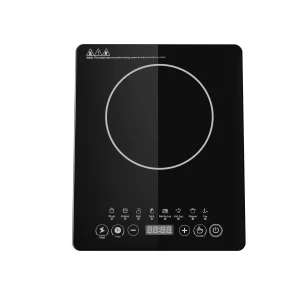
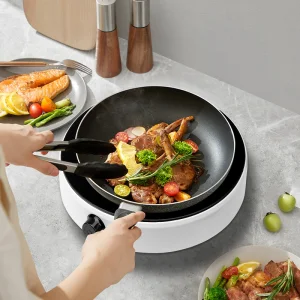
In modern homes, particularly in space-saving urban apartments in Europe and East Asia, single-burner and double-burner induction hobs fit into tight spaces. The ease of wipe-clean ceramic glass surface, digital touch controls, kid-safe lock systems, and exact timers make it ideal for quick daily meals.
For high-turnover establishments like busy hotel kitchens, bistros, and buffet lines, cooking equipment must run continuously. Our 3500W to 8000W rugged commercial models handle large pots, woks, and rapid water boiling. The thick stainless steel frames protect the ceramic glass from impact chips, while heavy cooling setups keep internal temps low.
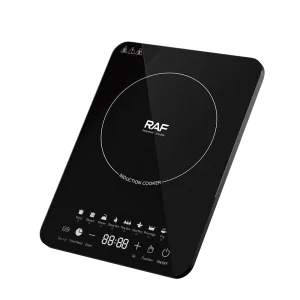
In East Asian markets, tabletop cooking is a classic social experience. Small circular induction burners and dedicated electric tea stoves are built to run quiet, sit flat, and offer precise temperature profiles. This prevents delicate tea leaves from scorching and holds hotpot broth at a steady simmer.
Compact countertop units are a perfect match for food trucks, pop-up events, and camping setups. Since these kitchens rely on small generators or limited electric hookups, the power-efficiency of induction keeps energy draws manageable compared to heavy-load cast-iron hot plates.
How evolving global standards are shaping the future of electric cooking appliances.
Governments worldwide are driving clean-energy mandates. Banning natural gas installations in new structures directly spurs the transition toward induction cooking. Developing high-efficiency products helps brand buyers prepare for upcoming policy shifts.
Today's consumers look for connected home setups. Our new products support Bluetooth and Wi-Fi pairing. This lets users link smart stoves directly to kitchen range hoods, adjusting fan speeds based on real-time cooktop output.
Instead of standard round rings, smart flexi-zones detect the exact shape and position of rectangular griddles or pans. Multiple small coils shift active zones dynamically, ensuring uniform heat delivery across uneven cookware.
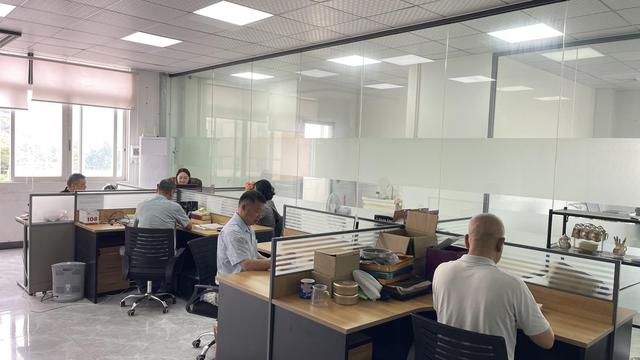
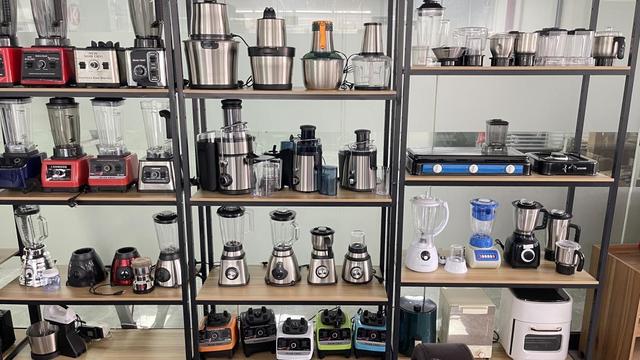
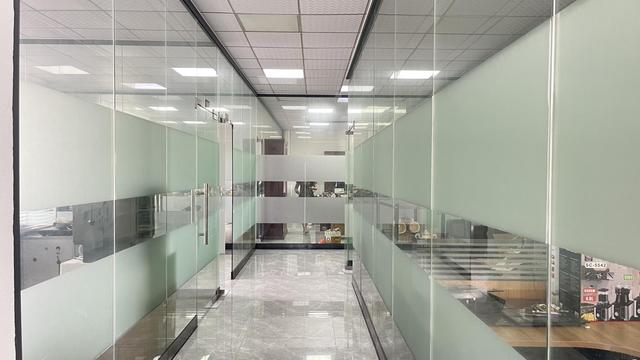
A look at our production capacity, advanced machinery, clean SMT rooms, and dedicated QA verification booths.
Clear, detailed answers regarding technical parameters, global compliance, and logistics pipelines.
Half-bridge circuits use two IGBT switches in series to share the electrical load, reducing stress on individual components. This allows for stable, continuous heating even at low power levels without pulsing. In contrast, cheaper single-tube designs turn on and off periodically at low power settings, making them less suitable for precise commercial cooking.
For basic OEM orders with private labels on standard platforms, production lead times are typically 30 to 35 days. For complex ODM projects requiring new housing molds, custom PCB board designs, and safety certifications, the timeline is around 60 to 90 days from the initial CAD mockup approval.
Yes. Our control boards feature wide-voltage regulation systems. When input voltages fluctuate (ranging from 180V to 260V in European markets, or 90V to 140V in the US), the smart MCU adjusts current draw dynamically. Built-in over-voltage and under-voltage protection systems auto-shut down the stove to prevent damage if thresholds are breached.
We design our packaging to meet ISTA-1A or ISTA-3A standards. We wrap cooktops in molded high-density EPE foam cushions instead of cheap EPS foam, and package them in dual-layer corrugated outer boxes. Every product batch is tested by dropping it from multiple angles to ensure glass panels arrive intact.
We assist buyers in obtaining ETL and UL 1026/UL 197 certifications for North America, and CE (LVD/EMC) and CB schemes for Europe. Additionally, all raw materials comply with RoHS and REACH standards to meet strict chemical and environmental safety guidelines.
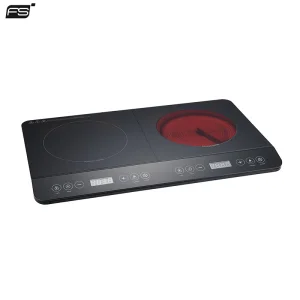
Yes. We specialize in designing and manufacturing multi-burner countertop induction cookers, including double-zone, triple-zone, and four-burner models. These units feature smart power-sharing systems that adjust output limits based on your domestic breaker constraints.
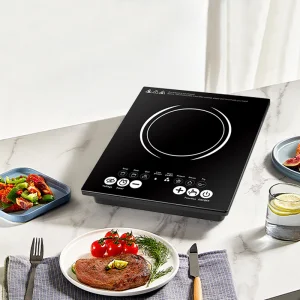
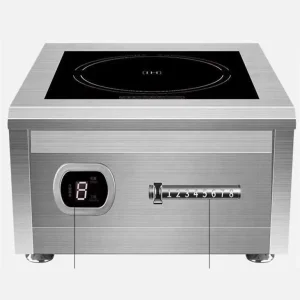
From extractor-fan integrated hobs to heavy duty high wattage systems.
 Aris Cooktop