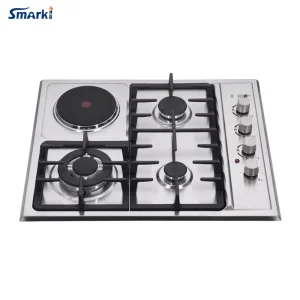
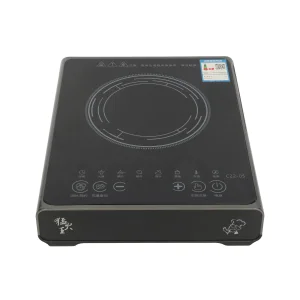
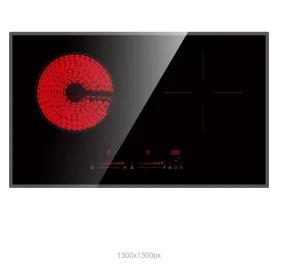
Explore high-frequency induction hobs engineered for thermal efficiency, longevity, and precise heat delivery.
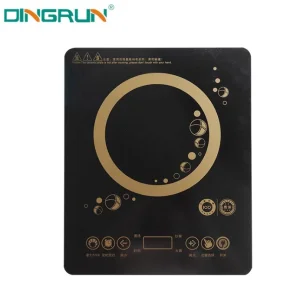
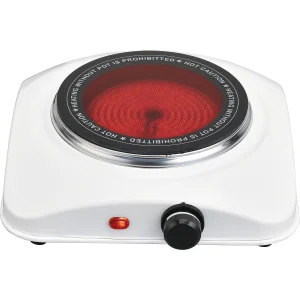
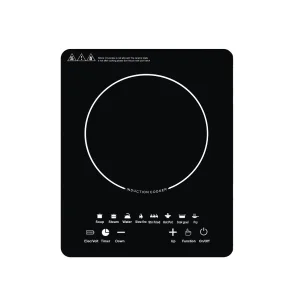
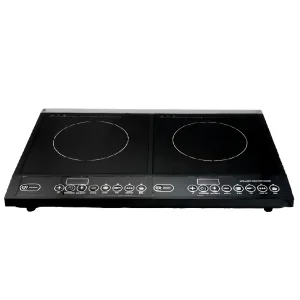
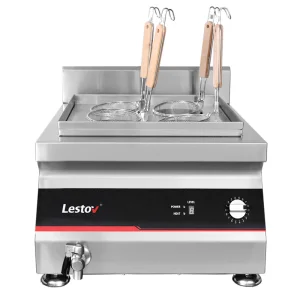
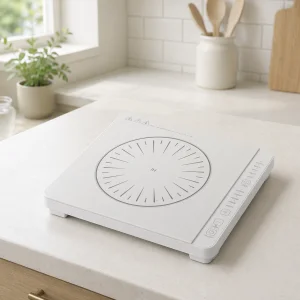
Operating from the global epicenter of appliance manufacturing—Foshan, Guangdong—Foshan Aris Cooktop Co., Ltd. stands as a premier China induction cooktop manufacturer and smart induction stove supplier. Our company drives innovation by researching, developing, manufacturing, and distributing advanced kitchen cooking appliances to commercial and residential sectors globally.
By combining modern kitchen design with high-frequency electromagnetic heating technology, we engineer systems that feature instantaneous heat transfer, precise power regulation, and robust thermal insulation. Whether your company requires space-saving portable hobs, multi-zone built-in induction ranges, or high-capacity commercial cooktops, Aris Cooktop offers scalable manufacturing capacities and design services.
The Shunde/Foshan appliance hub provides unparalleled supply chain density. Upstream component sourcing (microcontrollers, glass-ceramic plates, induction coils) operates within a 50km radius. This proximity reduces development cycles and manufacturing lead times while minimizing shipping costs.
"Integrating advanced IGBT inverter topologies with localized manufacturing ecosystems allows us to achieve high power density and reliability."
A technical evaluation of the performance, safety, and supply chain metrics that define reliable manufacturing.
The Insulated Gate Bipolar Transistor (IGBT) serves as the core electronic switch within an induction cooktop. Leading manufacturers utilize certified IGBT modules from premium brands (such as Infineon or Toshiba) to ensure high-voltage endurance and minimal switching losses. Low-tier suppliers often employ repurposed or generic IGBTs, leading to early component breakdown and elevated warranty return rates.
The interface of any hot plate is its glass-ceramic panel. Top-tier manufacturers specify structural ratings for thermal shock resistance (up to 750°C) and mechanical impact resistance. Whether using premium brands like EuroKera and Schott Ceran, or high-performance domestic equivalents, verifying the glass grade prevents thermal stress cracking during extended high-temperature operations.
High-output induction requires efficient heat dissipation. Advanced suppliers construct multi-channel air ducts, heat sinks with optimized fin spacing, and brushless cooling fans with high air volume capacity. Managing internal cabinet temperatures extends the lifespan of control capacitors and electronic components.
Induction technology is evolving beyond basic high-frequency heating towards smart, interconnected systems. In the B2B sector, the adoption of Wide Bandgap (WBG) semiconductors, such as Gallium Nitride (GaN) and Silicon Carbide (SiC) switches, is replacing traditional silicon IGBTs. These advanced power electronics enable higher switching frequencies, reducing the physical size of components while improving operational efficiency at high output levels.
Another major trend is Continuous Low-Power Inverter Technology. Standard induction hobs cycle power on and off at low settings (pulse width modulation, or PWM), causing temperature fluctuations and uneven heating. Newer inverter topologies enable stable, continuous power delivery as low as 100 Watts, which is critical for delicate culinary processes.
Looking forward, Smart Pan-Sensing systems will auto-adjust electromagnetic fields to match cookwares of any size or shape. IoT-enabled hobs with real-time temperature probe communication are also becoming standard in smart commercial and high-end residential kitchens.
How advanced manufacturing clusters in Foshan ensure cost efficiency, consistent quality, and prompt deliveries.
Foshan's home appliance cluster integrates component sourcing, raw material processing, and assembly. This proximity enables efficient cross-functional engineering, rapid prototyping, and responsive supply chains.
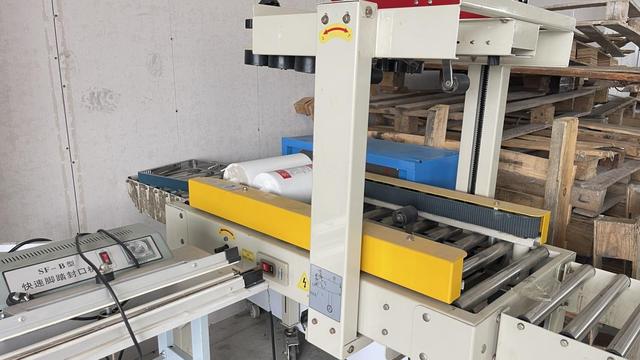
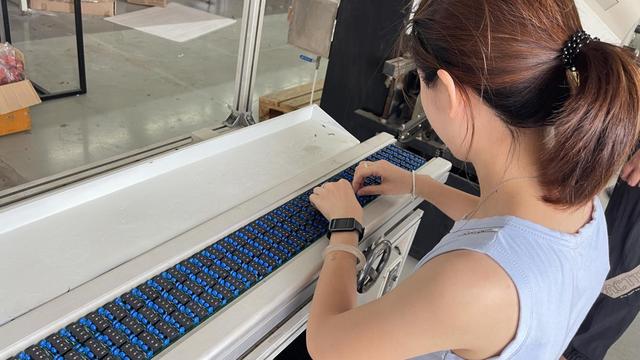
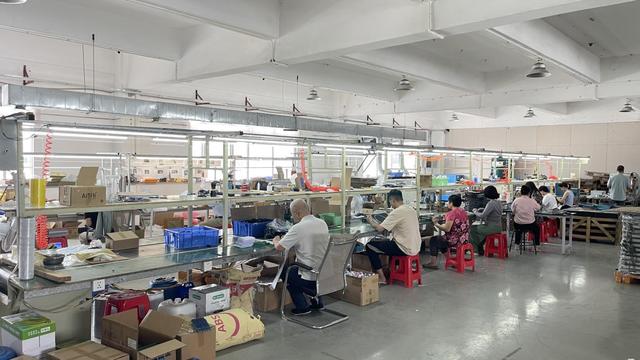
By utilizing robotic coil winding, computerized solder deposition, and automated testing rigs, we minimize human error and ensure consistent electrical contact, high insulation resistance, and stable product quality.
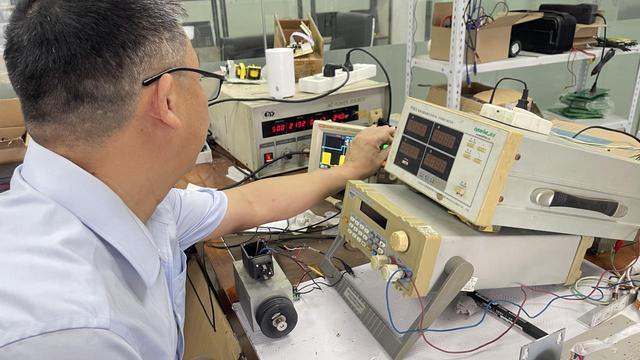
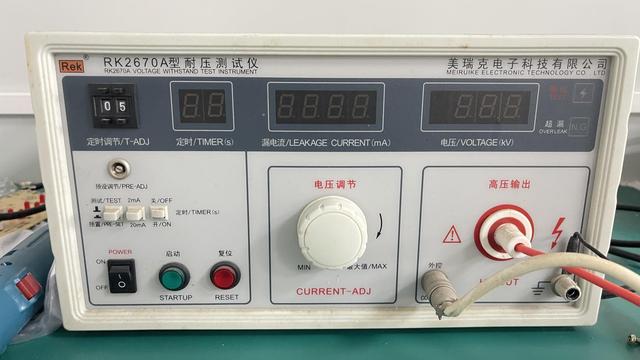
Every product undergoes strict testing, including high-voltage insulation tests, harmonic current emission tests, high-humidity operations, and thermal imaging calibration for sensor accuracy.
Meeting B2B standards through customizable technical features and design flexibility.
Global brands require tailored configurations to fit localized kitchen styles and commercial standards. We provide:
Connecting cooking systems to international electrical networks requires careful engineering. Power supplies must be built to handle voltage fluctuations, phase configurations, and safety rules across different markets.
We customize products for standard residential voltages (110V-120V in North America, 220V-240V in Europe/Asia) as well as commercial three-phase networks (380V-415V). Additionally, we design circuits to limit harmonic distortions and prevent interference with other appliances on the same power line.
How custom electromagnetic heating systems support residential developments, hotels, marine vessels, and industrial processing.
Modern residential builds rely on eco-friendly, all-electric designs. Built-in hybrid cooktops and multi-burner systems offer efficient, space-saving cooking while integrating with home automation networks.
Commercial kitchens demand durable, fast-heating equipment. High-power pasta boilers and commercial ranges withstand constant, heavy-duty use while reducing ambient heat in the kitchen.
Yachts, cruise liners, and food trucks require energy-efficient appliances that emit minimal heat. Stable induction hot plates provide safe cooking by eliminating open flames.
Ensuring performance, electrical safety, and global market access through rigorous lab tests.
At Foshan Aris Cooktop Co., Ltd., quality control is built into every step of production. Our facility uses advanced diagnostic equipment to test all outgoing shipments. Main testing protocols include:
Our compliance team ensures products meet international regulations (CE, CB, RoHS, KC, SAA, and UL standards), allowing brands to import and distribute in global markets without delays.
| Market | Required Safety Code |
|---|---|
| European Union | CE-LVD / CE-EMC / RoHS Directive |
| North America | UL 197 / FCC Part 18 / ETL Listed |
| International | IEC 60335-1 / IEC 60335-2-9 (CB Scheme) |
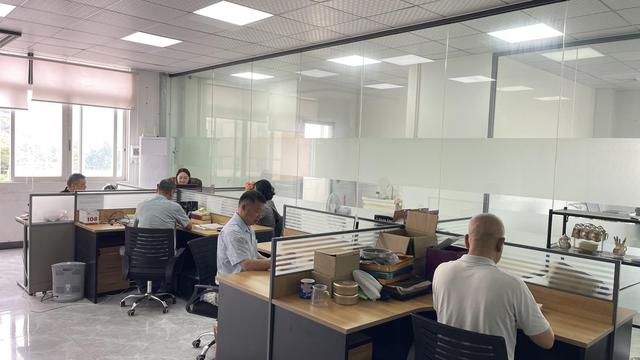
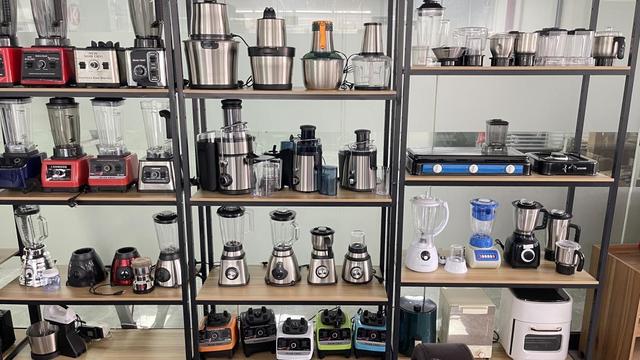
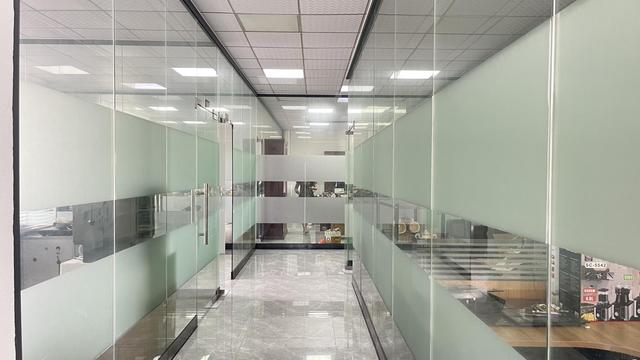
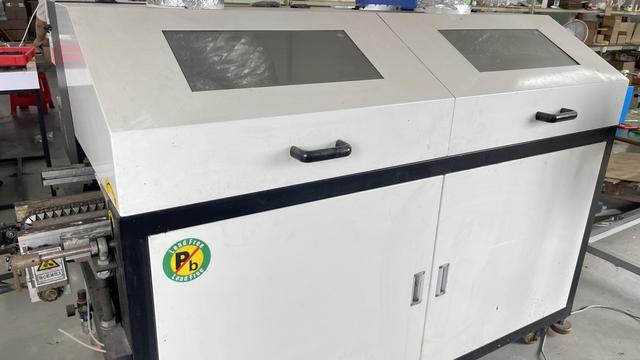
Take a virtual tour of our Foshan manufacturing facility, assembly areas, and quality testing labs.
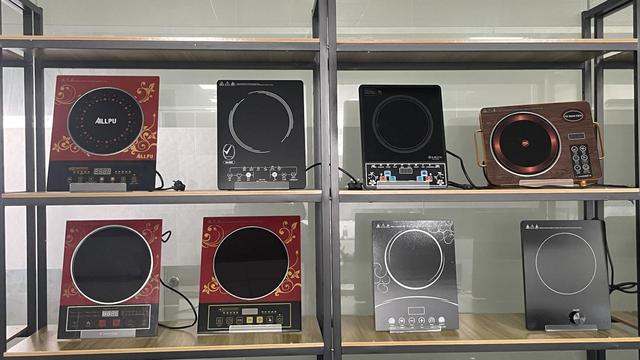
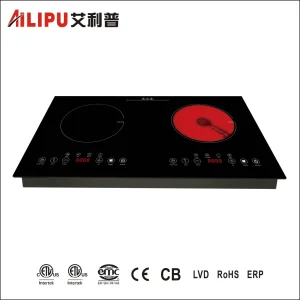
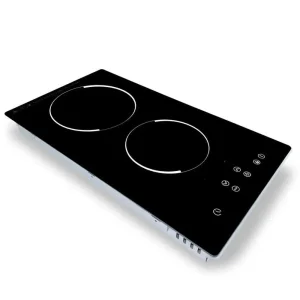
Discover high-capacity, multi-zone cooktops combining gas burners, infrared cooktops, and induction hobs.
Direct, technical answers for B2B buyers, distributors, and appliance engineers.
 Aris Cooktop