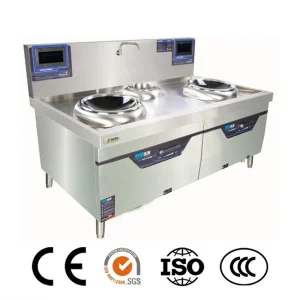
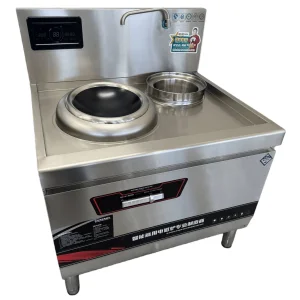
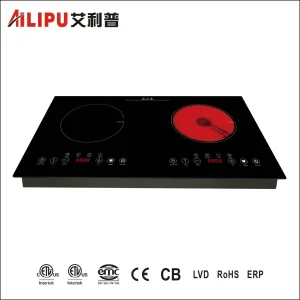
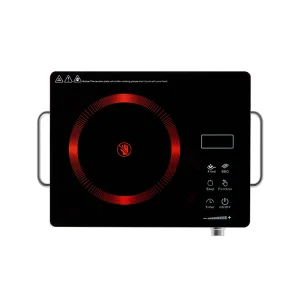
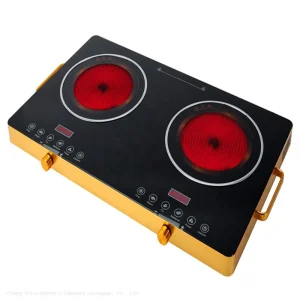
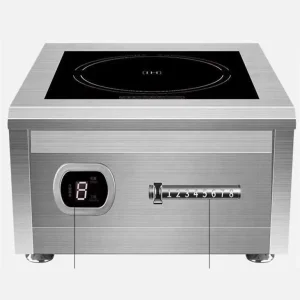
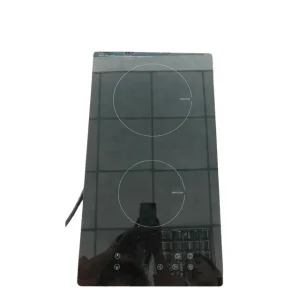
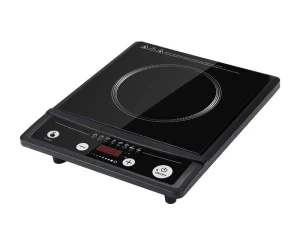
Explore our premium product selections engineered for high duty cycles, commercial resilience, and energy conservation.
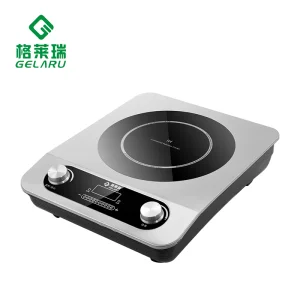
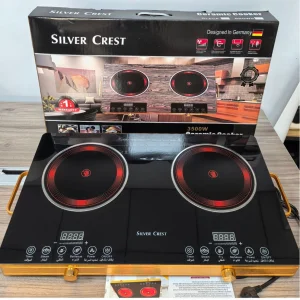
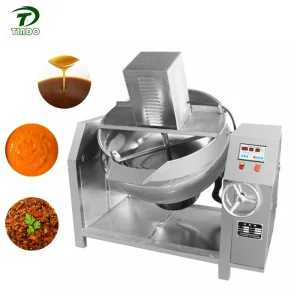
The culinary world is undergoing a significant transition from fossil fuels to clean electricity. Global policies aimed at carbon neutrality, combined with stricter local building codes, are driving this change. As a result, commercial and residential markets are adopting electromagnetic cooking systems at an unprecedented rate. This shift is not just about environmental compliance; it is a fundamental redesign of kitchen thermodynamics.
Traditional gas and conventional electric coil elements transfer heat through air gap convection and physical contact conduction. This process loses up to 60% of generated heat into the surrounding environment. In contrast, induction cooking surfaces excite the ferrous molecules of the cookware directly using high-frequency magnetic fields. This achieves a thermal efficiency exceeding 90%. This high-efficiency performance reduces HVAC cooling loads in commercial kitchens and shortens boiling and searing times for residential kitchens.
Across Europe and North America, regulatory mandates are pushing developers toward clean energy appliances. Initiatives like the EU's Ecodesign Directive and various municipal natural gas bans in the United States have made induction surfaces a standard choice for new builds. In Asia, high-power commercial induction systems are rapidly replacing gas burners to comply with new safety and indoor air quality standards. For global procurement teams, sourcing from an OEM factory that understands these regulatory changes is critical for market access.
From a design perspective, an induction cooktop is an advanced electromagnetic system. It requires precise balancing of power output, thermal control, and electromagnetic compatibility (EMC). A standard high-performance OEM induction cooker comprises several critical assemblies:
The Insulated Gate Bipolar Transistor (IGBT) is the core driver of the system. We use high-quality German and Japanese IGBTs (such as Infineon) to handle rapid switching currents. This ensures reliable operation even under maximum load and voltage fluctuations.
We use double-layer, high-density Litz wire copper coil structures. These maximize magnetic field focus and minimize resistive losses, ensuring stable energy distribution across varying cookware footprints.
We source crystal glass substrates that offer low thermal expansion coefficients, high shock resistance, and high structural load capacities. These panels withstand the heavy cookware typical in commercial operations.
Our R&D focuses on thermal management. High-performance induction surfaces generate heat at the copper coil and the IGBT level. To address this, our systems include custom-designed aluminum heat sinks and dual-channel brushless fans. We also integrate NTC thermal sensors that monitor temperatures in real time to prevent thermal runaway. This dynamic thermal protection helps ensure product reliability and longevity.
Based in Foshan, Guangdong—a globally recognized hub for home appliance manufacturing—Foshan Aris Cooktop Co., Ltd. is a professional Chinese manufacturer and supplier of smart induction cooktops and stoves. We manage the research, development, manufacturing, and global distribution of advanced kitchen cooking solutions. Our products are designed for both residential and commercial applications, offering fast heating, precise temperature control, enhanced safety, and energy efficiency.
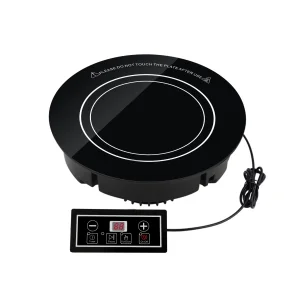
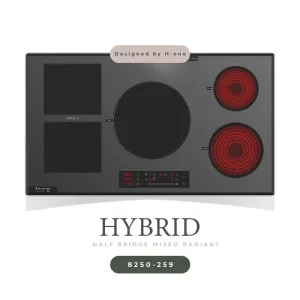
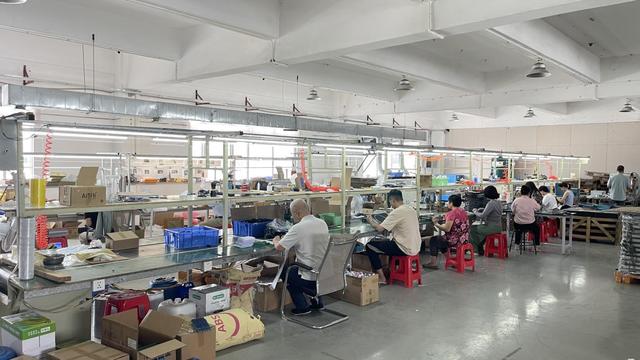
We offer a comprehensive product portfolio, including built-in induction hobs, portable induction cookers, commercial induction stoves, double burner cooktops, smart induction plates, and custom heating solutions. Our state-of-the-art facilities features automated assembly lines and specialized testing laboratories.
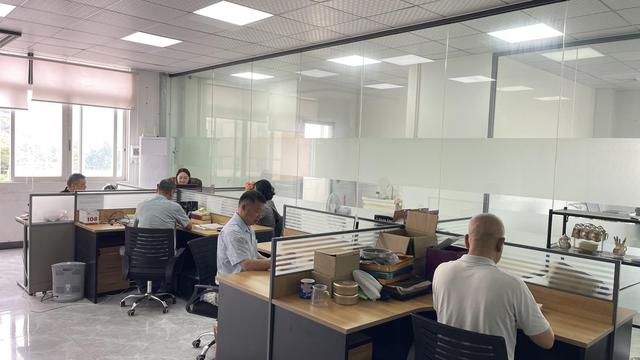
To support international brands, distributors, wholesalers, retailers, and e-commerce enterprises, we provide flexible OEM and ODM services. Our dedicated R&D team works closely with clients to deliver tailored designs, functional software programming, custom user interfaces, and private label packaging. Our goal is to serve as a reliable partner, delivering high-performance, safe, and energy-saving kitchen solutions worldwide.
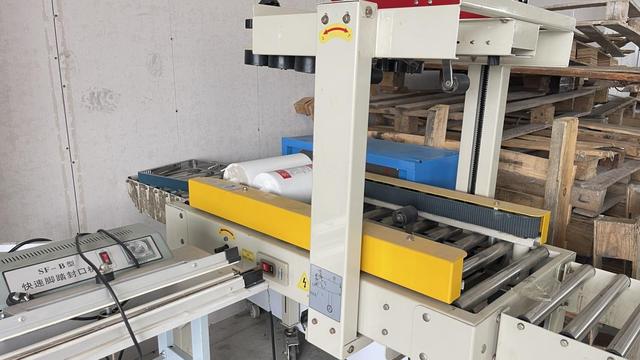
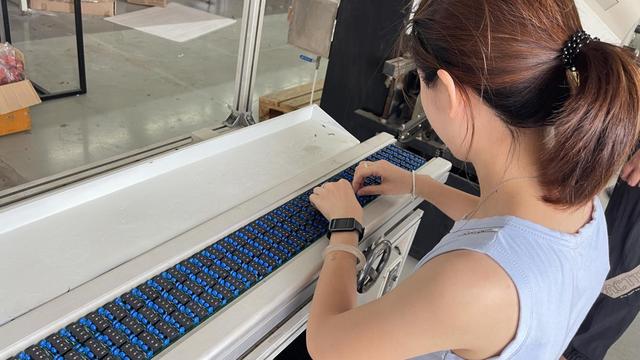
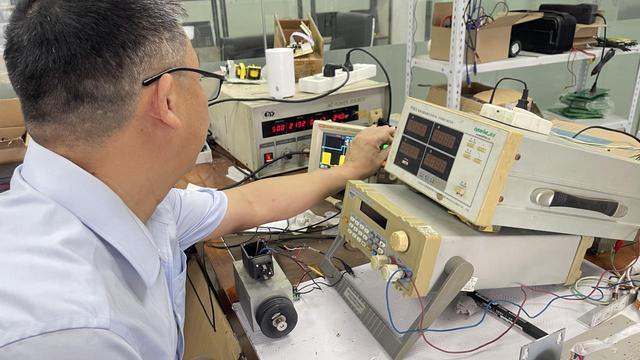
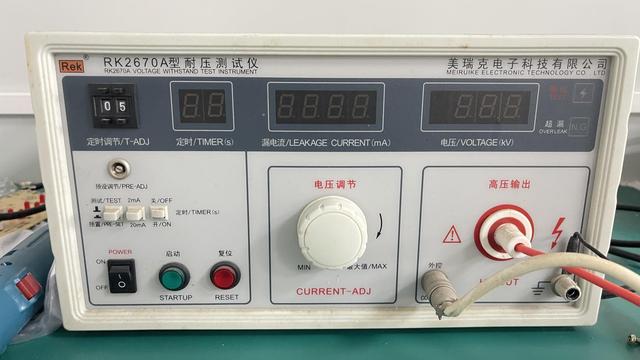
Maintaining a competitive edge in the global appliance market requires consistent manufacturing quality and robust supply chains. Our Foshan factory implements advanced automated assembly systems and rigorous manufacturing quality controls.
Every production run is subjected to testing protocols that simulate extreme operation, voltage spikes, thermal shock, and physical impacts. Our production workflow includes:
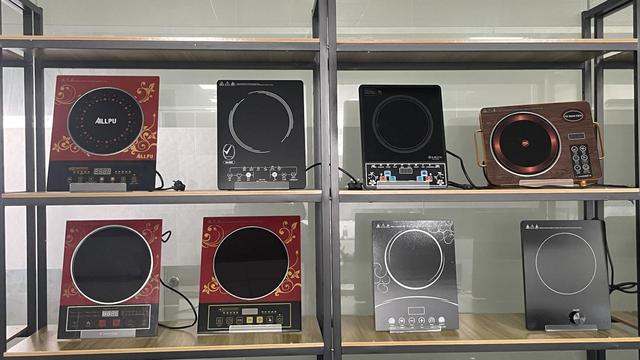
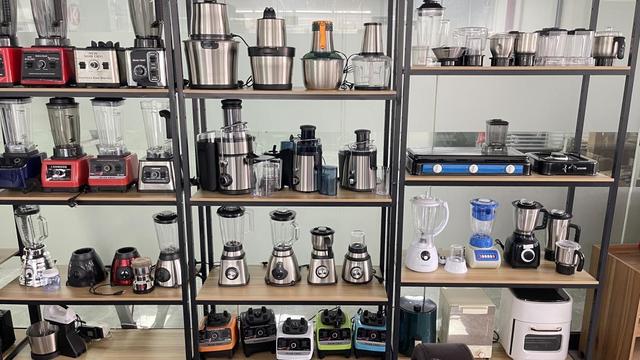
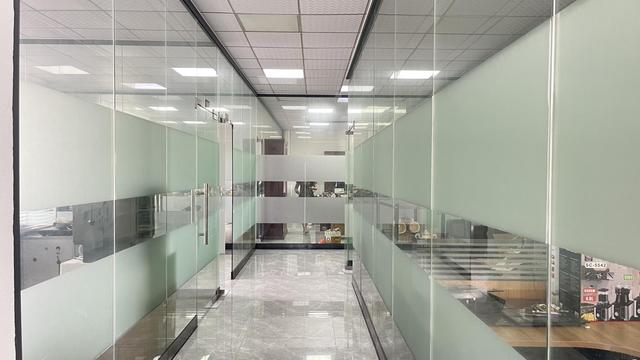
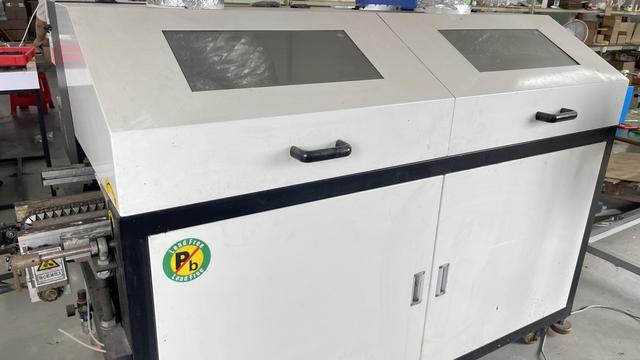
B2B buyers face unique market challenges and regulatory demands depending on their geographic region. Our OEM capabilities allow us to adapt products to meet these localized requirements:
We engineer systems for the 240V/120V split-phase power grids typical in North American homes and businesses. Our designs are optimized to meet ETL and UL standards, featuring integrated power sharing, pan detection, and child safety lockouts to comply with ADA requirements.
Our European market products are designed to meet strict standby power limits and CE/RoHS requirements. They are engineered to comply with the Energy-related Products (ErP) directive, utilizing advanced power factor correction (PFC) filters to maintain low electromagnetic interference on local grids.
For regions prone to voltage fluctuations and high humidity, we coat all internal PCBs with protective conformal sealants. We also customize induction cooktops to handle high-power cooking techniques, such as heavy commercial wok frying, common in professional Asian kitchens.
Find answers to common questions about our technical capabilities, compliance certifications, and production processes.
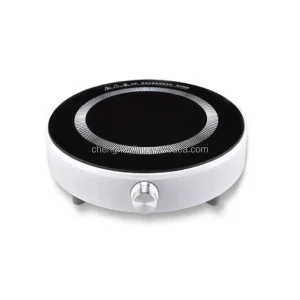
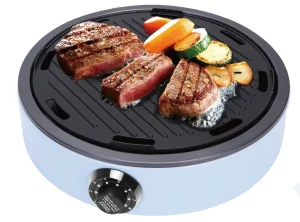
Select from our range of home and portable solutions, designed to bring advanced heating efficiency directly to consumers' countertops.
 Aris Cooktop