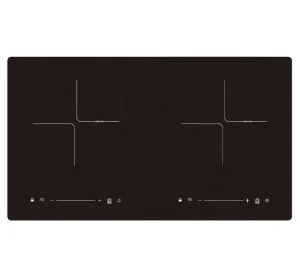
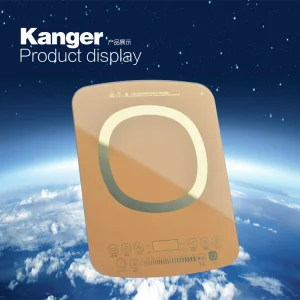
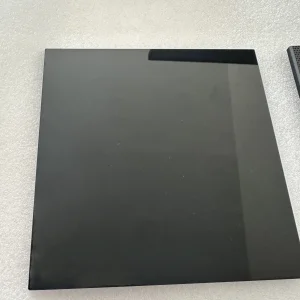
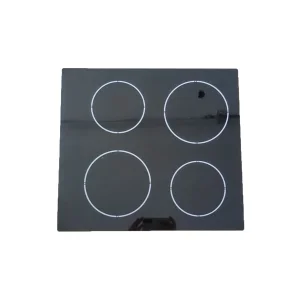
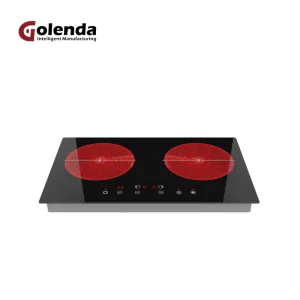
Engineered for the Polish residential sector, offering streamlined layouts, high-performance touch controls, and resilient Schott or Kanger glass ceramic cooktops.
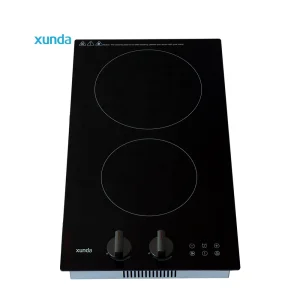
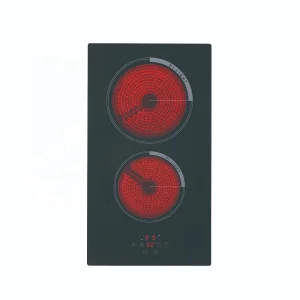
The Polish residential kitchen market is undergoing an unprecedented structural transition. Accelerated by the EU Green Deal guidelines and the rapid phasing out of domestic natural gas connections in new developments, electric cooking appliances—particularly Glass Ceramic Induction Hobs—have shifted from premium upgrades to default building specifications. In major Polish metro areas like Warsaw, Kraków, and Wrocław, over 85% of newly constructed apartments utilize induction and ceramic glass surfaces.
This energy transition is accompanied by shifting consumer preferences. Polish consumers prioritize appliances that offer a blend of high thermal efficiency, compatibility with modular kitchen cabinet designs, and minimized energy overheads due to high electricity costs in Central Europe. Premium microcrystalline glass and tempered glass ceramic panels are highly sought after due to their resistance to mechanical impacts, ease of maintenance, and sleek flush-mount installation aesthetics.
| Compliance Certifications | CE, CB, RoHS, ErP Directive 2009/125/EC |
| Glass Type Compatibility | Kanger Glass, EuroKera, Custom Ceramic-Glass Panels |
| Standby Power Limit | < 0.5 Watts (Eco-Design Compliant) |
| Thermal Stress Resistance | Up to 750°C - 800°C shock tolerance |
Across Central Europe, commercial developers and appliance brands are shifting their sourcing portfolios. Traditional cooktops are being phased out in favor of multi-burner configurations containing intelligent power sharing (dynamic load management). For example, 4-burner cooktops with built-in downdraft ventilation hoods are experiencing rapid volume growth, eliminating the requirement for separate overhead extraction hoods and allowing designers to maximize vertical space.
Simultaneously, the demand for 30cm 2-zone hobs remains dominant within the booming build-to-rent (BTR) market and student housing sectors in Poland. These small-format hobs must deliver high-density power outputs (up to 3000W-3500W aggregate) while complying with thermal dissipation limits inside narrow kitchen cabinets. This requires high-efficiency copper coils and intelligent PCB systems that prevent localized overheating of the glass-ceramic interface.
Innovative kitchen systems integrating extraction zones, infrared heaters, and heat-resistant microcrystalline surfaces for modern European households.
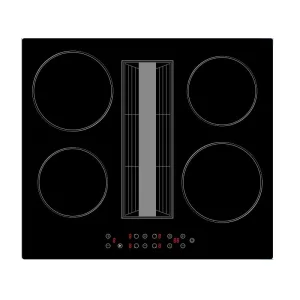
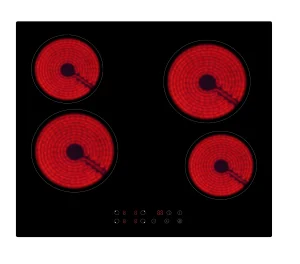
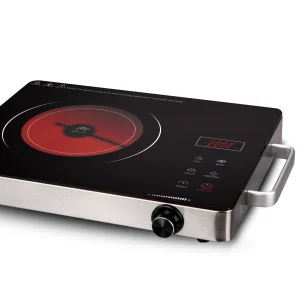
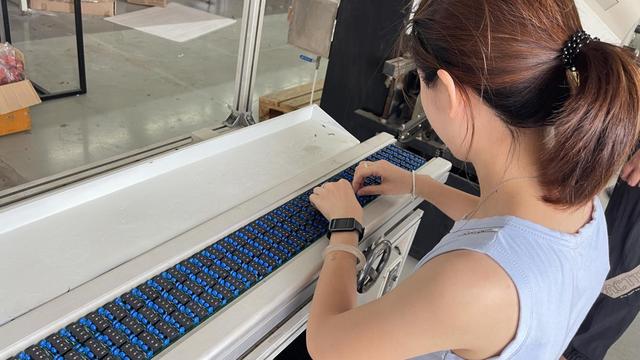
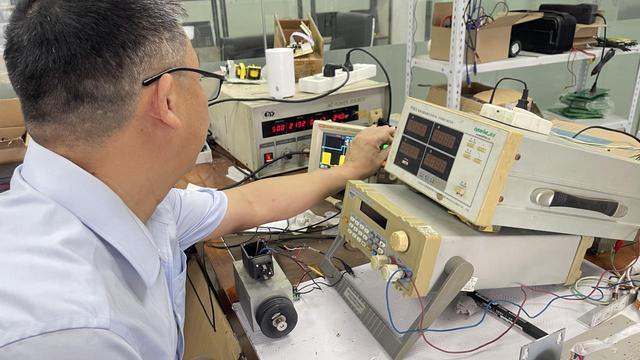
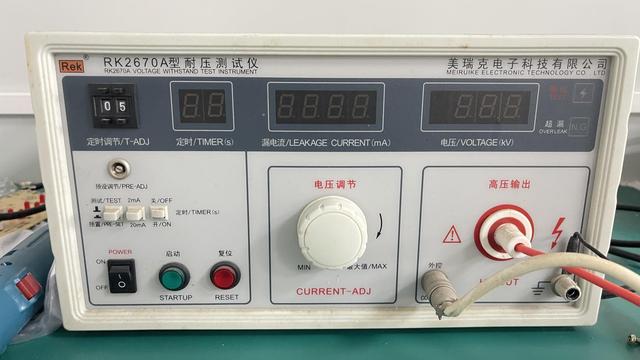
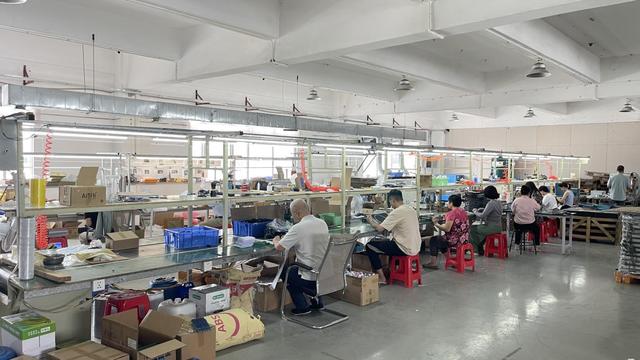
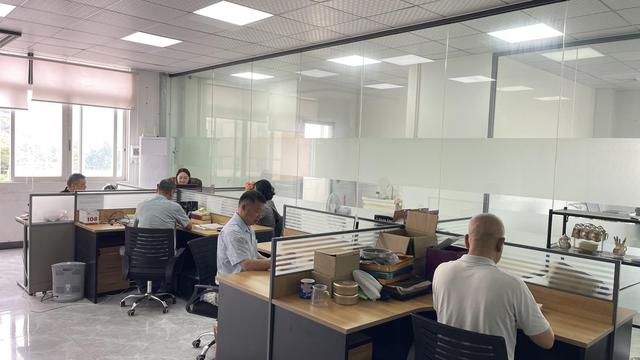
At our state-of-the-art production base in Foshan, Guangdong—the global epicentre of kitchen appliance manufacturing—we operate fully modernized assembly lines designed under the Industry 4.0 framework. Our processes integrate automatic coil-winding machinery, digital optical scanners for glass alignment, and automated testing rigs that evaluate insulation resistance, magnetic field consistency, and thermal response profiles.
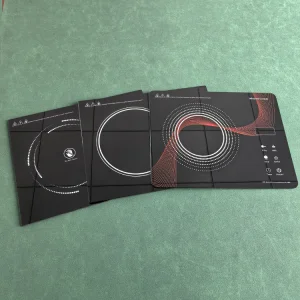
By consolidating raw materials sourcing (such as partnering with premium glass manufacturers and integrated circuit providers), we shield our Polish B2B clients from global supply shocks. Our local microcrystalline ceramic processing workshop ensures that custom-cut glass panels can be printed, tempered, and integrated into built-in hobs with a minimized lead time.
Foshan Aris Cooktop Co., Ltd.'s engineering department works directly with Polish and EU buyers to implement custom firmware adjustments. Whether you require tailored temperature steps for traditional Polish simmering recipes, specialized power curves for rapid boiling, or a localized touch user interface, our ODM development process guarantees high execution speed.
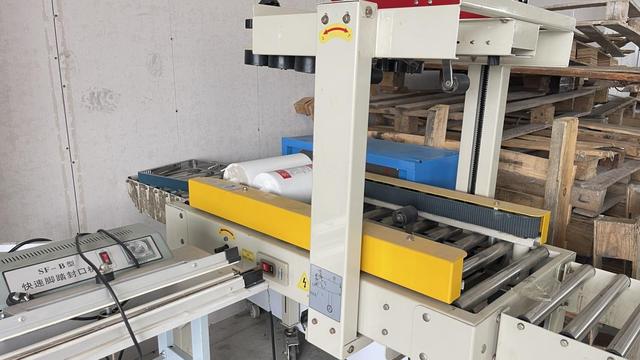
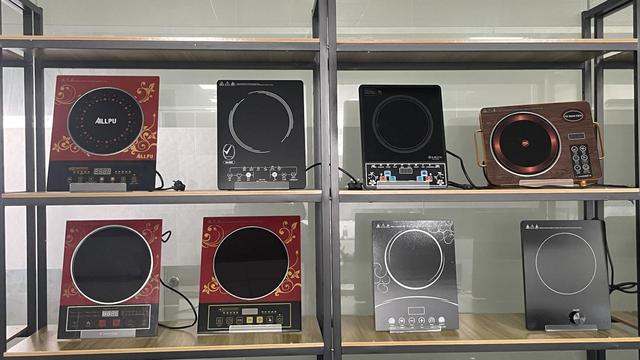
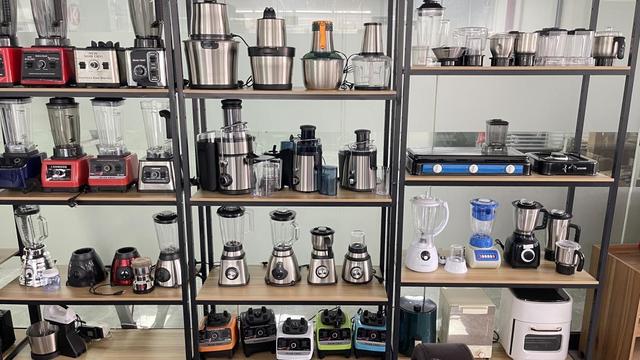
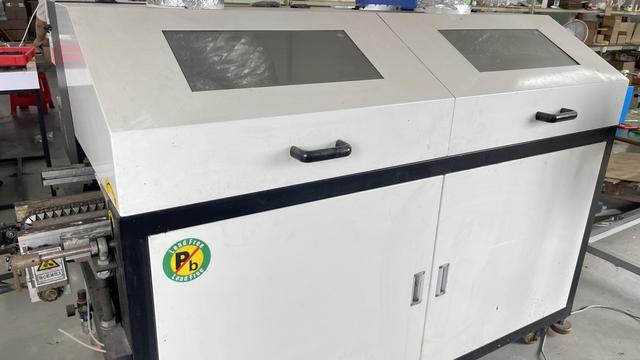
Flush-mount 30cm and 60cm glass ceramic induction hobs maximize workspace in space-conscious flats within Warsaw, Poznań, and Gdańsk, providing instant response and high energy efficiency.
Highly durable microcrystalline glass surfaces offer superior resistance to impact and scratches. Built-in timers and auto-off safety systems minimize fire hazards in high-occupancy rentals.
Induction hobs directly pair with home photovoltaic (PV) setups, optimizing solar energy utilization and reducing dependency on the main electric grid across rural and suburban Poland.
Answers to technical, regulatory, and logistics queries for sourcing kitchen induction systems from China to Poland.
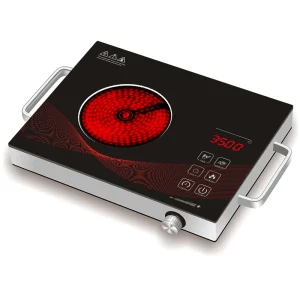
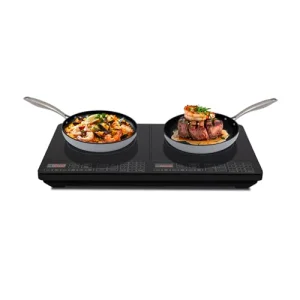
A complete selection of high-power hobs, microcrystalline heating panels, and custom-engineered induction systems for home and commercial export markets.
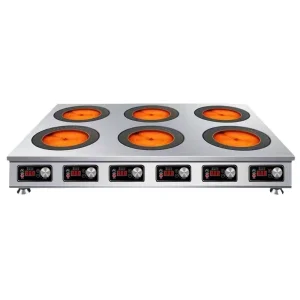
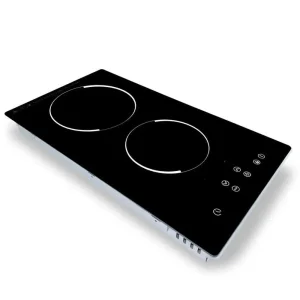
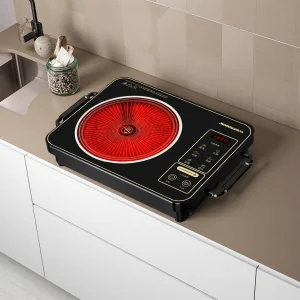
Foshan Aris Cooktop Co., Ltd. serves appliance distributors and developers throughout Europe. Contact our international trade team today for competitive B2B prices, OEM customization options, and logistics support to Poland.
Send Inquiry Now Aris Cooktop