Discover our core, energy-efficient flagship configurations engineered for commercial and domestic global markets.
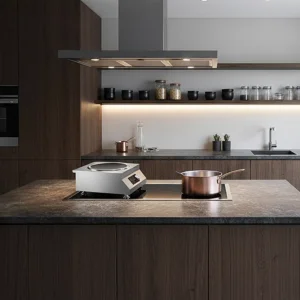
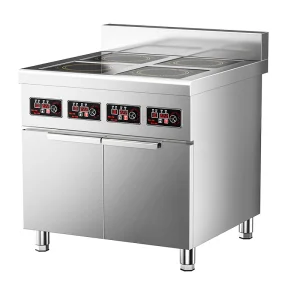
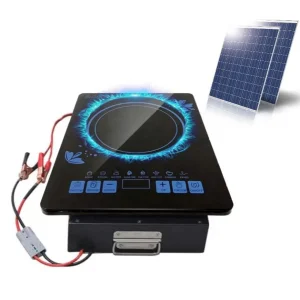
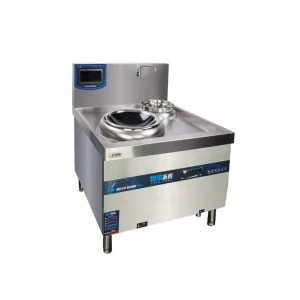
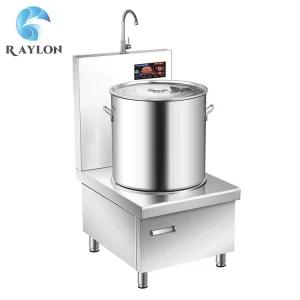
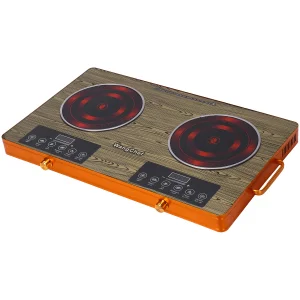
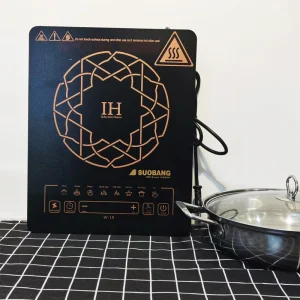
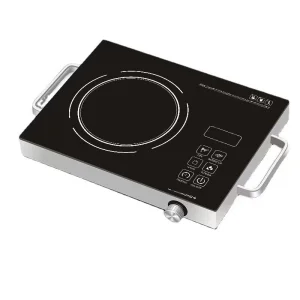
The global commercial food service and residential appliance industries are experiencing an unprecedented paradigm shift. Driven by aggressive regional decarbonization policies, strict indoor air quality (IAQ) mandates, and volatile natural gas pricing structure, developers and operators are abandoning conventional flame-based cooking equipment. Across North America, the European Union, and Asia-Pacific, local authorities are enforcing building codes that incentivize complete electrification.
Conventional gas stoves operate with a thermal efficiency of merely 35% to 40%, losing the majority of heat to the ambient air. In contrast, electromagnetic induction cooktops transfer heat directly to the ferrous vessel via high-frequency magnetic fields, achieving a thermal conversion efficiency exceeding 90%.
By eliminating combustion byproducts such as nitrogen dioxide (NO2), carbon monoxide (CO), and formaldehydes, commercial induction cooking delivers safer working environments while radically decreasing HVAC loads. High-volume dining entities, corporate campuses, and smart residential properties are integrating induction units not merely as a modern choice, but as an essential element of their Scope 1 emission reduction strategy.
Understanding the mechanical and thermal advantage of modern high-frequency electromagnetic cooking.
An engineering perspective on magnetic induction, copper coil topology, and real-world efficiency comparisons.
| Heating Technology Type | Energy Transfer Efficiency (%) | Heat-up Time (1L Water to Boil) | Surface Heat Residual (Post-cooking) | Operational Safety Metric |
|---|---|---|---|---|
| Aris Electromagnetic Induction | 90% - 92% | ~3.1 Minutes | Very Low (No open heat source) | Excellent (Automatic pan detection, over-current cutout) |
| Electric Ceramic / Radiant | 62% - 68% | ~6.5 Minutes | High (Retained glass heat) | Moderate (Hot surface warning indicator) |
| Traditional Pipeline Gas (LPG/CNG) | 35% - 40% | ~8.2 Minutes | Extreme (Active frame transfer) | High Risk (Open flame, carbon monoxide generation) |
High frequency current is passed through double-layer copper coils below the ceramic surface.
Alternating magnetic flux penetrates the bottom of ferromagnetic cookware directly.
Internal resistance of the metal converts magnetic force lines directly into thermodynamic energy.
Thermocouples sense bottom heat, dynamically modulating IGBT pulse-width width duty cycles.
Analyzing regional demand pathways, deployment logistics, and commercial catering optimization.
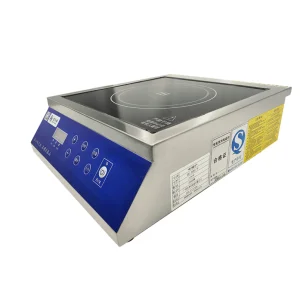
High demand for UL/ETL certified commercial table-top units and high-power 220V/240V built-in models. The push for fully electrified housing estates and restaurant chains drives high demand for durable, multi-burner hobs. We supply tailor-made OEM/ODM units matching specific grid specifications (110V/60Hz and 208V/240V configurations) to ensure complete grid code compliance.
European markets prioritize energy label metrics and CE/GS certifications. The CE Directives require rigorous electromagnetic compatibility (EMC) testing. Our cookware detection intelligence, coupled with standby energy consumption levels under 0.5 Watts, positions our induction stoves at the forefront of European retail and commercial sourcing.
With rapid urban growth and highly dense populations in cities, safety is critical. High-power stir-frying requires induction wok burners featuring curved ceramic zones. The heavy commercial catering kitchens in APAC benefit from specialized designs such as our single/double head stir fry ranges, which deliver robust durability in humid conditions.
Foshan Aris Cooktop Co., Ltd. — A Trusted Industrial Standard Provider
We operate fully equipped cleanrooms and structural laboratories to provide customized product capabilities. Through collaborative product definition phases, our dedicated R&D team designs custom user interfaces (UI), custom control board programming, variable safety threshold parameters, and private label branding to match the precise market positioning of international partners.
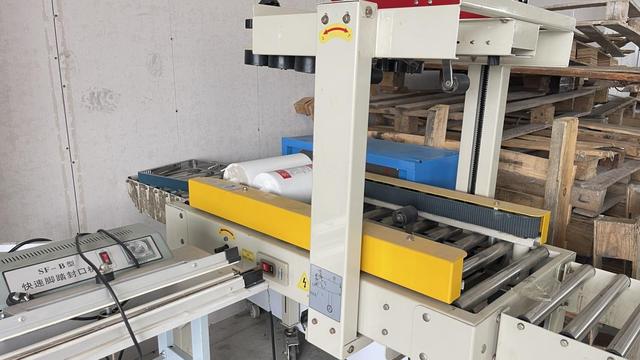
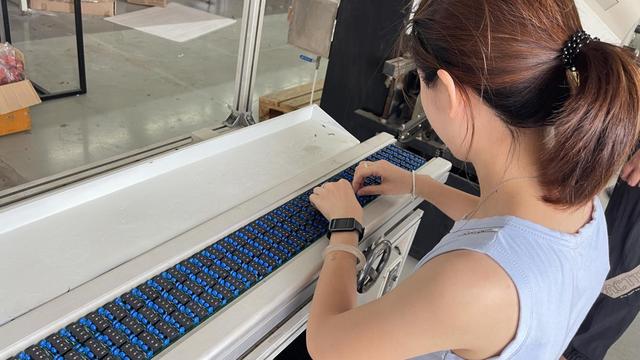
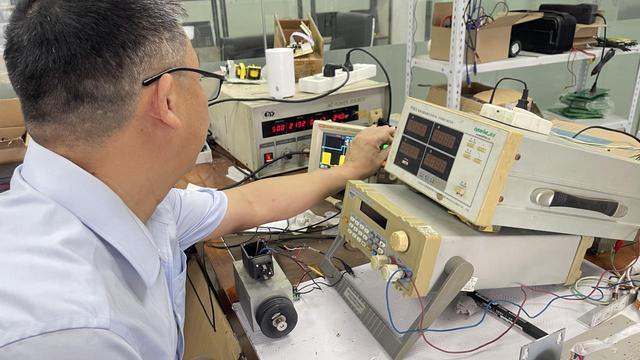
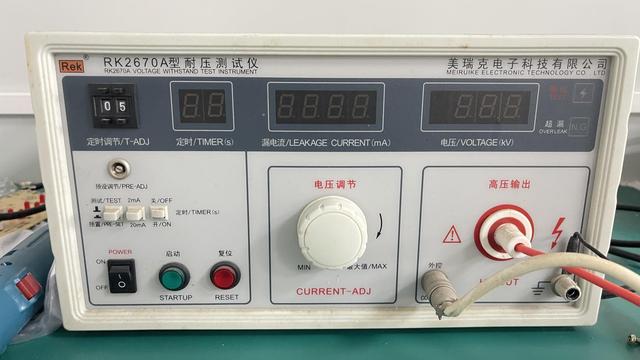
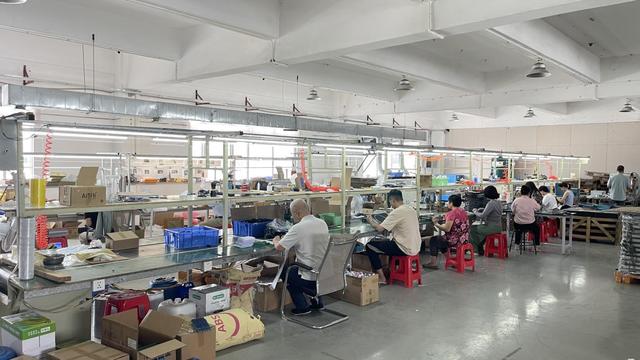
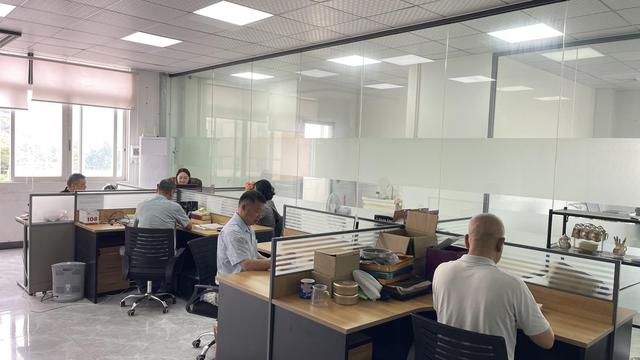
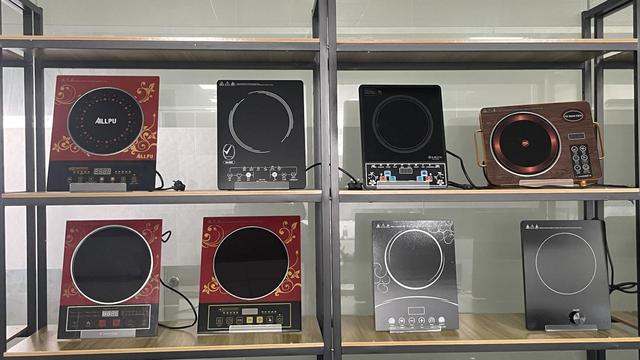
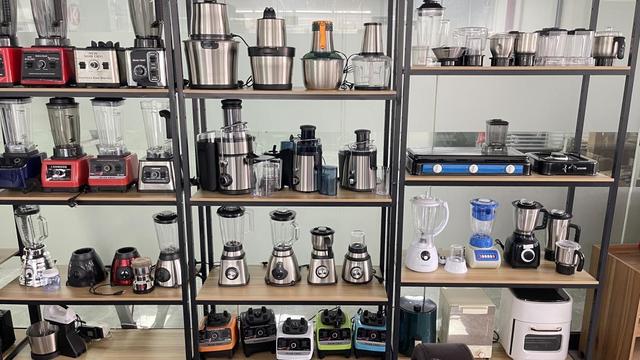
A comprehensive visual overview of our manufacturing processes, including high-speed pick-and-place component insertion, assembly systems, dynamic thermal testing Chambers, and outbound logistics.
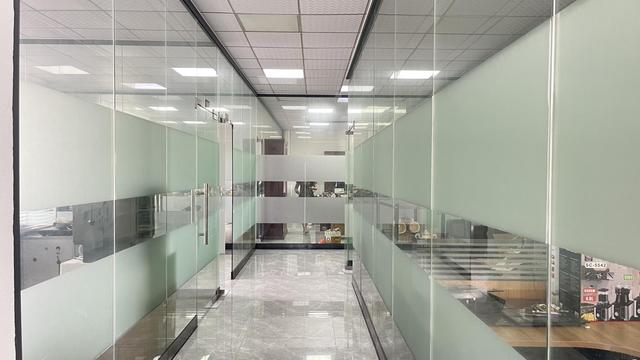
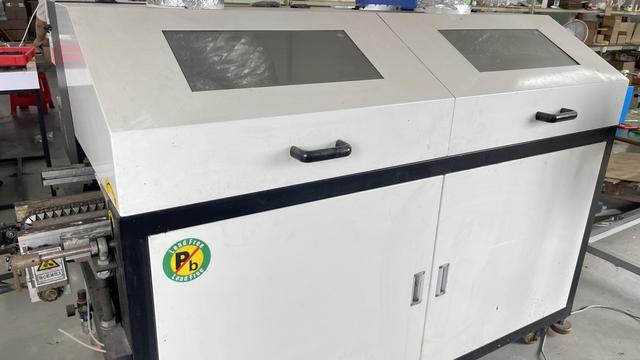
Where the induction technology is heading: Smart grids, AI control interfaces, and modern energy management.
Transitioning from traditional silicon IGBTs to Silicon Carbide (SiC) and Gallium Nitride (GaN) components. This reduces thermal losses within the cooktop chassis, allowing for smaller enclosures and higher power densities.
Developing smart multi-point arrays that detect pan footprints automatically. Users can place cookware of any shape anywhere on the surface, and the MCU adjusts dynamic field vectors to match.
Incorporating Wi-Fi and Bluetooth communication channels. The induction cooker links directly to digital food probes and HVAC exhaust hoods, synchronizing heat and extraction parameters.
Answering the primary technical questions of global procurement managers, distribution partners, and engineers.
Heavy-duty commercial systems and specialized designs built for long-term reliability and extreme workloads.
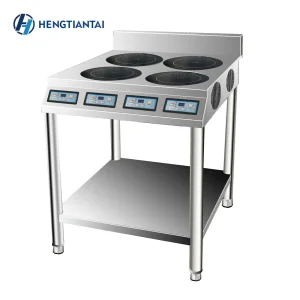
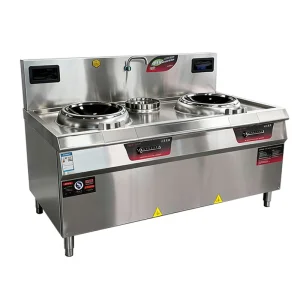
 Aris Cooktop