The global commercial food service and residential appliance industries are undergoing a massive transition. As net-zero emissions mandates, strict regional building decarbonization plans, and commercial safety guidelines phase out natural gas, electromagnetic induction cooking systems have transitioned from an eco-friendly option to a mission-critical infrastructure standard. Understanding technical factors like thermal efficiency, IGBT duty cycles, and supply chain logistics is essential for B2B buyers, appliance brands, and commercial kitchen suppliers selecting a manufacturing partner in China.
Explore our premium range of high-performance electromagnetic stoves, heavy-duty commercial ranges, and built-in systems designed to meet international safety and efficiency standards.
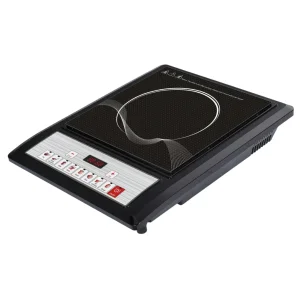
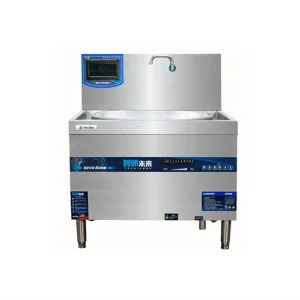
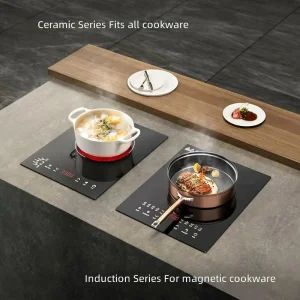
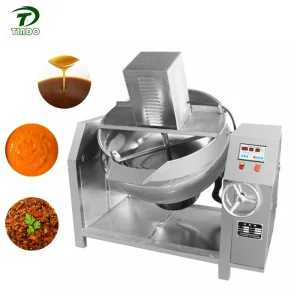
Uncovering the shifts in thermal dynamics, safety regulations, and smart system control that are defining the next generation of food service appliances.
Federal, state, and city policies worldwide are implementing bans on gas infrastructure in new construction. In Europe and the US, commercial kitchens are converting to induction to meet ESG (Environmental, Social, and Governance) targets. By removing open flames and flue gas by-products, induction systems lower ambient kitchen temperatures, significantly reducing the energy required for HVAC air extraction and air cooling.
Modern commercial kitchens rely on data. Integrated IoT microprocessors inside modern induction ranges collect real-time data on temperature profiles, operational durations, and error occurrences. This data helps kitchen operators improve consistency across chain operations and conduct predictive maintenance on heating elements and cooling fans before failures occur.
Unlike residential systems that often use half-bridge circuit configurations to lower manufacturing costs, commercial-grade systems require high-reliability Full-Bridge topology. This circuitry configuration utilizes four IGBT switch units instead of two, allowing the cooker to provide continuous power modulation at low settings, minimizing temperature fluctuations and reducing components thermal stress.
Foshan, Guangdong, is globally recognized as the central hub for home appliance and commercial kitchen engineering. This manufacturing ecosystem offers unmatched advantages in component sourcing, material sciences, and specialized tooling. By manufacturing in Foshan, Foshan Aris Cooktop Co., Ltd. can control every step of the value chain.
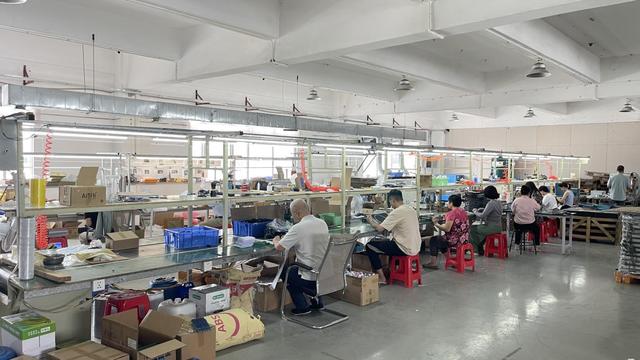
Our factory integrates automated SMT (Surface Mount Technology) cleanrooms for PCB assembly, specialized copper winding systems for custom induction coils, and CNC sheet metal laser cutting centers. This close integration allows us to optimize lead times for B2B clients, control cost structures, and rapidly prototype custom products.
Additionally, the close proximity to glass suppliers (producing high-performance micro-crystalline ceramic glass plates) and semiconductor distribution channels ensures that Aris Cooktop can source high-grade German and Japanese IGBT components. This secures both product longevity and reliable delivery timelines for global clients.
How B2B procurement managers select induction cooking systems based on engineering specs, regional grid compatibility, and quality control.
Global markets present diverse grid standards. A commercial kitchen operator in North America requires ETL-certified 208V/248V three-phase or 120V single-phase systems, whereas projects in the European Union rely heavily on CE-certified 230V/400V setups. To prevent electromagnetic noise from feeding back into the public grid and to shield internal systems from external voltage spikes, induction systems must feature robust Electromagnetic Compatibility (EMC) filters and wide-voltage operational ranges.
In high-volume commercial kitchens, pans are frequently slid across cooktop surfaces, and heavy stockpots are placed down with force. As a result, the cooktop glass must be constructed from premium-grade micro-crystalline glass, designed to withstand mechanical impacts and thermal shocks up to 750°C. For the housing, standard SUS201 stainless steel is prone to corrosion in humid kitchen environments. Aris Cooktop utilizes SUS304 stainless steel housings, which provide long-term rust protection and comply with strict NSF food safety standards.
Industrial applications, such as jacketed kettle processors, sauce mixers, and institutional multi-zone simmer stations, require continuous, high-power cooking. A key technical differentiator of our systems is the design of our copper induction coils. We utilize double-wound, multi-strand Litz wire to minimize high-frequency skin effect losses, maintaining a high power factor of >0.95 and reducing heat buildup inside the machine's cabinet.
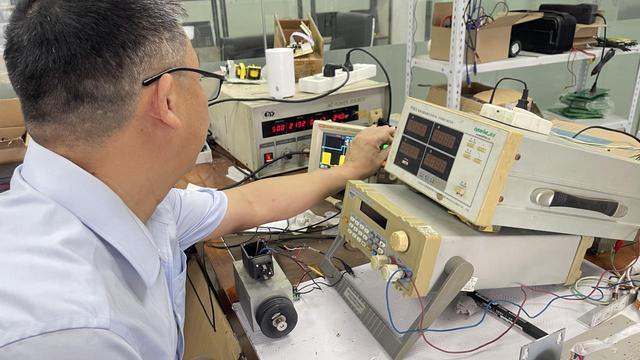
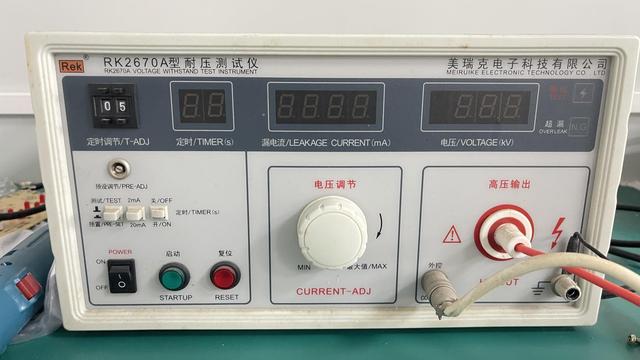
At Foshan Aris Cooktop Co., Ltd., we prioritize structural safety and performance consistency. Each cooktop design undergoes rigorous stress tests in our engineering labs before entering bulk production.
Quality control check points are integrated at every stage of assembly:
This commitment to quality ensures our products comply with international standards, including CE, CB, RoHS, and FCC. This compliance simplifies the import process and reduces warranty support costs for our global distribution partners.
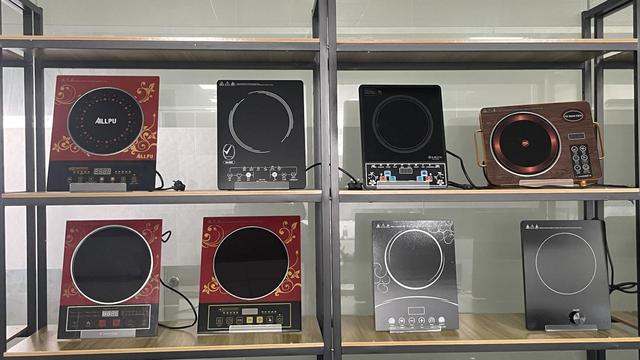
Explore multi-zone cooking stations, built-in cooktops, and high-performance options engineered for hotels, commercial kitchens, and modern homes.
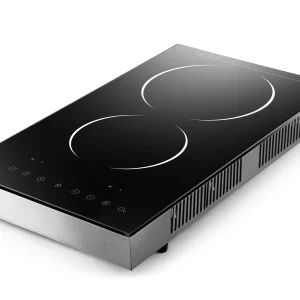
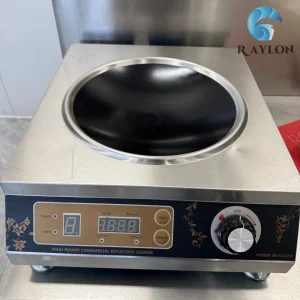
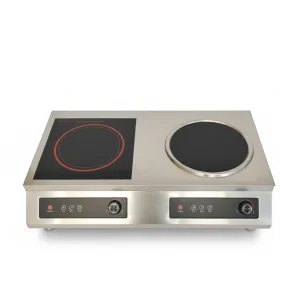
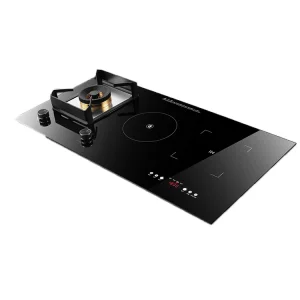
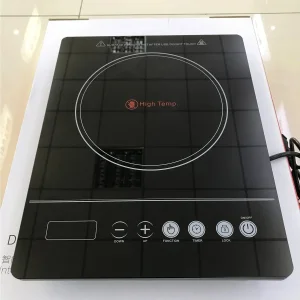
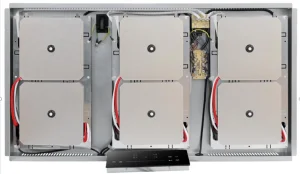
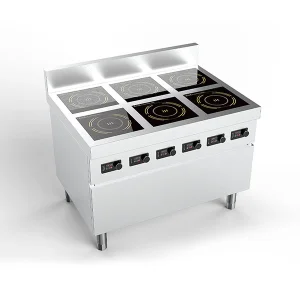
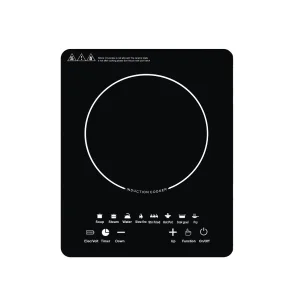
From heavy-duty institutional kitchens to marine catering facilities, our systems are engineered to handle the demands of professional operations.
Hotel kitchens operate continuously under high-stress conditions. Built-in multi-zone induction systems provide the fast heating rates required for rapid menu turnaround, while their flat glass surfaces are easy to clean, keeping prep areas hygienic during peak service hours.
Marine vessels and offshore rigs have strict limitations on flame use due to safety regulations. Induction cookers remove the risks associated with open fire and gas leaks, running safely off shipboard electrical generators without compromising heating power.
Industrial jacketed kettles and automated mixers require precise, repeatable thermal energy inputs to produce sauces, fillings, and starch conversions at scale. Induction heating provides fast, direct thermal transfer, minimizing caramelization on pan surfaces and reducing ingredient waste.
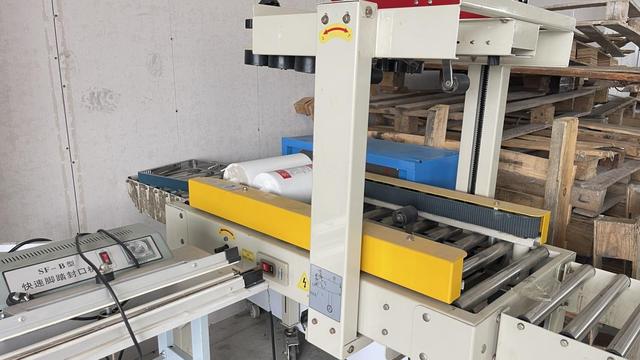
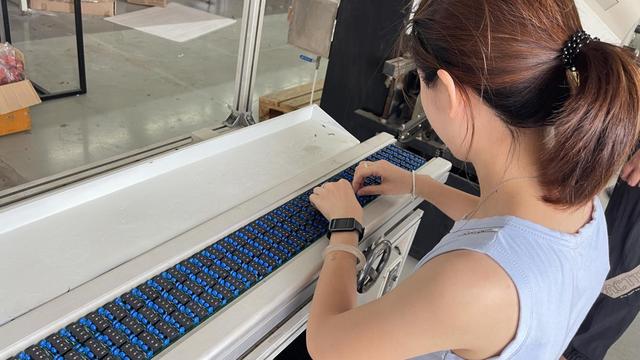
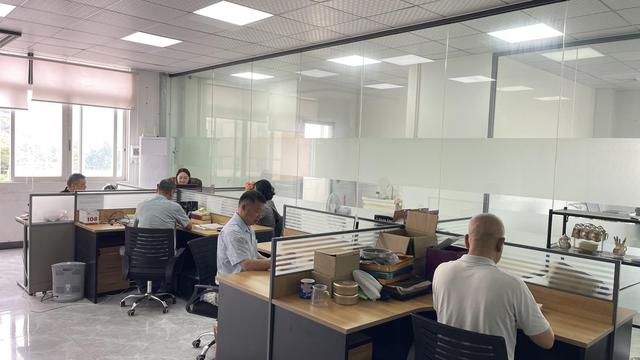
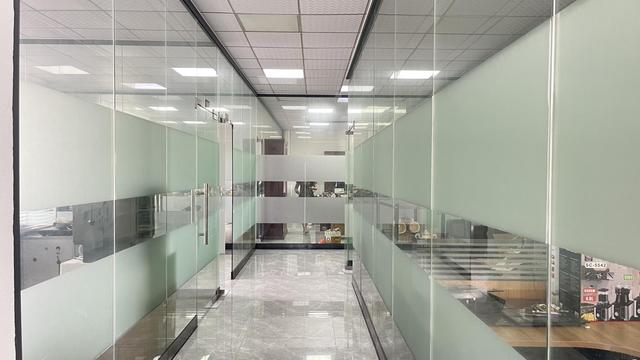
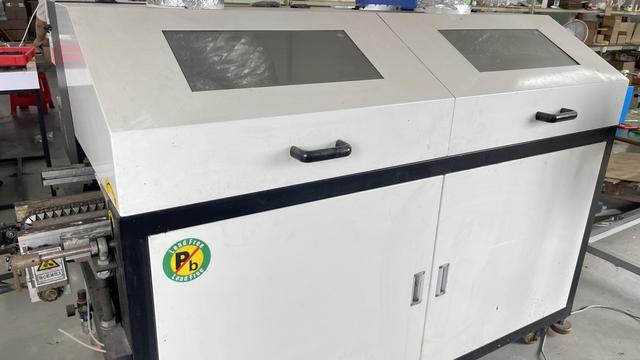
A look at our production floor in Foshan, highlighting our sheet metal fabrication, winding assemblies, and final quality assurance procedures.
Essential technical answers for supply chain managers, brand owners, and logistics professionals sourcing commercial kitchen systems.
Half-bridge circuit configurations use two IGBT switches and work well for light-duty residential applications. However, at lower power settings, they often cycle on and off to maintain temperature, which can lead to uneven heating. Full-bridge configurations use four IGBT switches to continuously modulate power down to low levels, providing steady heat output for simmer stations, stockpots, and commercial stir-fry woks. This design also lowers heat buildup within the circuitry, extending the operating life of the electronics.
Our SMT engineering team designs dedicated line filters directly onto our mainboards. These filters suppress harmonic currents and high-frequency emissions, preventing interference with other kitchen electronics or communication systems. This design helps our products meet FCC Class A/B requirements in North America and EN 55014 standards in Europe.
We provide full OEM and ODM services. This includes customizing the top print design on the ceramic glass, modifying the user interface (touch control, control knobs, or digital sliders), adjustments to unit dimensions, and structural modifications to the stainless steel chassis. We also offer customized packaging designs and private labeling options for our B2B customers.
We utilize high-speed brushless DC fans rated for 50,000 continuous operating hours. During R&D, our thermal imaging systems identify hotspots on the heatsink, allowing us to optimize air duct designs. Our IGBTs are sourced from leading suppliers like Infineon, and they are tested to run at 80% capacity to ensure a safe margin under high kitchen temperatures.
For standard OEM projects, the typical production timeline is 30 to 45 days after design approval and payment deposit. ODM projects requiring custom molds or housing designs may take 60 to 75 days to allow for prototyping, tooling setup, and initial batch testing.
 Aris Cooktop