Featured Precision Engineering
Enterprise Infrastructure
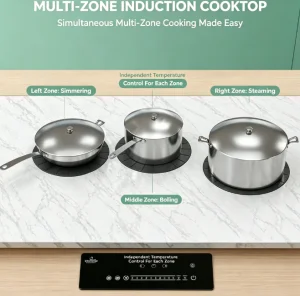
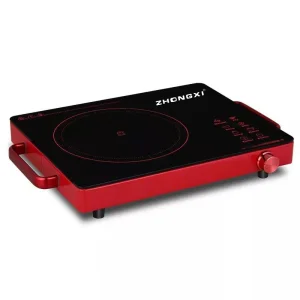
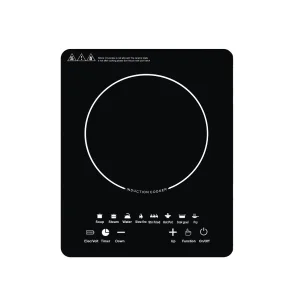
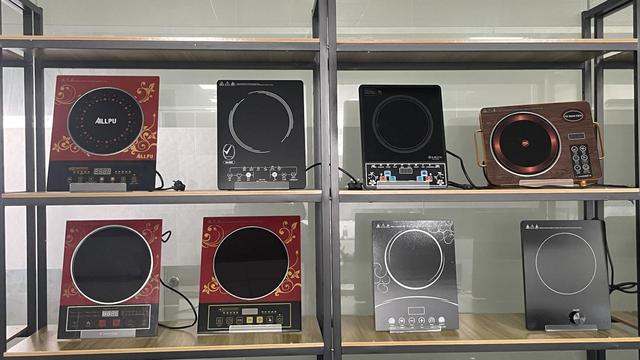
Foshan Aris Cooktop Co., Ltd. is a professional China induction cooktop manufacturer and smart induction stove supplier, specializing in the research, development, manufacturing, and global distribution of advanced kitchen cooking appliances. Based in Foshan, Guangdong, a renowned center for home appliance manufacturing, the company is committed to delivering innovative, energy-efficient, and reliable cooking solutions for customers worldwide.
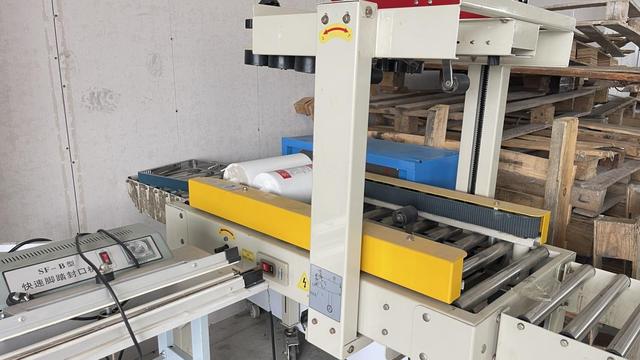
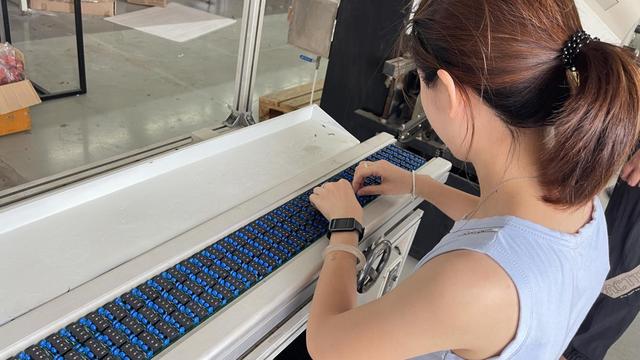
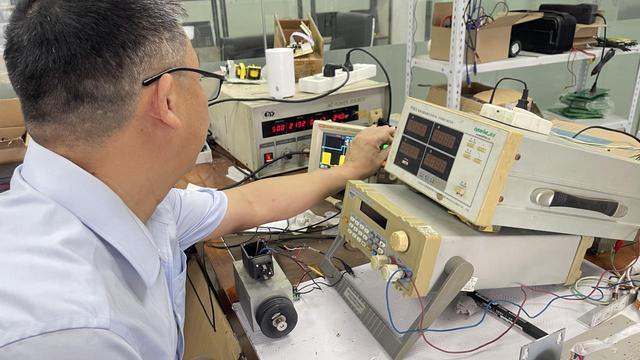
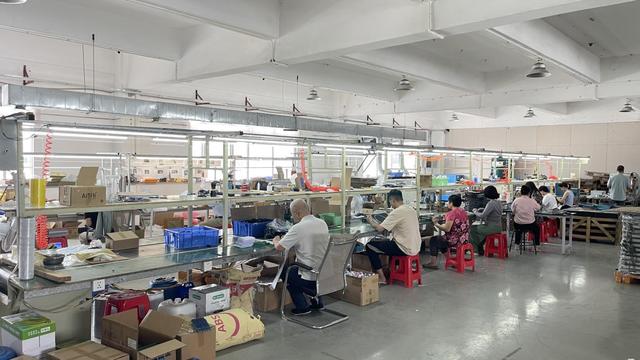
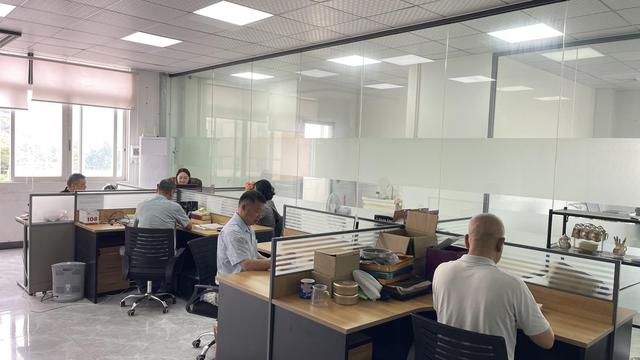
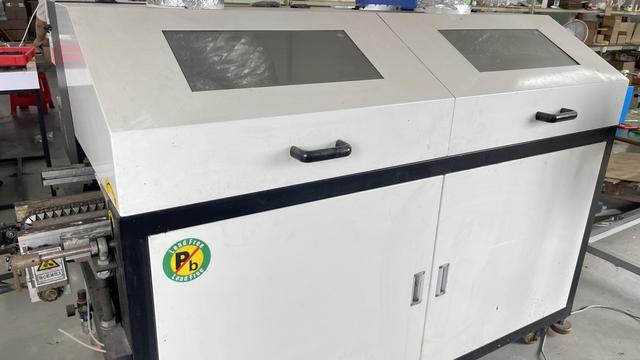
Our operational capabilities are underpinned by advanced production facilities and automated assembly lines. Aris Cooktop maintains strict quality control throughout every stage of manufacturing. From raw material sourcing and component inspection to product testing and final packaging, each induction cooktop undergoes comprehensive performance and safety evaluations to ensure compliance with international quality standards. Driven by innovation, quality, and customer satisfaction, we continue to strengthen our presence in global markets as a trusted OEM/ODM partner.
Industrial Electrification Whitepaper
The global culinary and hospitality landscape is undergoing a monumental transition. Driven by strict carbon-reduction mandates, escalating commercial gas infrastructure costs, and a heightened emphasis on occupational health, commercial kitchens are rapidly phasing out fossil-fuel combustion. As municipal building codes across North America and Europe restrict new gas line installations, electrification via electromagnetic induction has emerged as the definitive solution.
Traditional gas-fired cooking solutions dissipate up to 60% of their heat energy directly into the surrounding atmosphere, placing an immense burden on Commercial Kitchen Ventilation (CKV) systems and HVAC infrastructure. In contrast, electromagnetic induction technology generates heat directly within the ferrous cooking vessel itself via high-frequency magnetic fields. This physical process limits energy dissipation, achieving a thermal efficiency rating exceeding 90%. By mitigating ambient heat emission, operators experience a dual cost-saving effect: reduced utility bills for cooking energy and drastically lowered cooling loads for kitchen environments.
In high-throughput commercial cooking, particularly for traditional wok-based Asian cuisine (stir-frying, deep frying, tossing), heat delivery must be instantaneous, concentrated, and evenly distributed across a curved surface. Our engineered custom OEM induction woks utilize complex concave coil geometries wrapped around high-grade ferrite cores to direct a uniform magnetic flux line to the wok's curved surface. Key technical specifications include:
| Engineering Attribute | Standard Specifications | Advanced OEM Options | Operational Benefit |
|---|---|---|---|
| IGBT Power Semiconductor | Single-Tube / Half-Bridge Topology | Infineon High-Power Full-Bridge Resonant Inverter | Prevents thermal runaway; ensures continuous, steady power at low heat settings. |
| Coil Structure | High-Density Litz Copper Wire (Flat/Concave) | Multi-Strand Double Layer Convex/Concave Array | Eliminates localized hot spots; extends pan life; ensures maximum magnetic coupling. |
| Glass Ceramic Material | Microcrystalline Plate (4mm) | Schott Ceran / NEG Heavy-Duty Concave Glass | Withstands extreme thermal shock up to 800°C and heavy mechanical impact. |
| Chassis Engineering | SUS201 Stainless Steel | SUS304 Food Grade Heavy-Duty Seamless Shell | IPX6 ingress protection; resists grease acid, humidity, and high-impact commercial use. |
By employing Full-Bridge Inverter Topology, our advanced systems dynamically modulate frequency without the rapid cycling (on/off behavior) characteristic of lower-end half-bridge circuits. This guarantees continuous, uninterrupted heat flow, critical for recipes requiring precise temperature profiling and simmering. Additionally, advanced real-time pan detection sensors prevent no-load operations, saving energy and avoiding thermal fatigue of the copper coils.
Historically, B2B buyers and importers faced several pain points when dealing with China induction stove suppliers. These challenges typically included high failure rates of IGBT modules under erratic voltage grids, lack of adequate localized safety certifications, and poor structural design failing to handle structural loads of heavy commercial cookware.
As a seasoned exporter, Foshan Aris Cooktop Co., Ltd. solves these inefficiencies through strict architectural safety limits. Our systems incorporate dual-channel smart temperature sensors directly beneath the glass ceramic plate and integrated into the IGBT heat sinks. In case of an anomalous voltage spike, phase loss, or dry-boil scenario, the microprocessor responds within milliseconds, executing auto-shutoff cycles and flashing precise diagnostic codes. This reduces down-time and lowers repair and maintenance costs for equipment distributors.
From high-volume corporate cafeterias to rugged marine kitchens on deep-sea vessels, induction woks and hobs are implemented across highly varied environments, each demanding specialized design adaptations:
We build cooktops calibrated for global industrial grids: 110V/120V for North America, 220V/240V for Europe and Asia, and 380V/415V 3-phase systems for heavy industrial woks.
Equipped with dual high-RPM ball-bearing cooling fans, optimized internal airflow tunnels, and oversized aluminum heat sinks to prolong component lifespan.
Engineered to align with CE, ETL, FCC, RoHS, and NSF standards. Low electromagnetic radiation emission design ensures compliance with local health regulations.
B2B procurement agents face a major hurdle regarding regional grid compliance. A commercial cooktop designed for the stable European 230V 50Hz grid may suffer component degradation when deployed in regions experiencing frequent under-voltage or over-voltage fluctuations. Foshan Aris Cooktop Co., Ltd. addresses this through localized R&D adjustments.
Our engineering team designs custom PCBA configurations with wide-voltage tolerance bands (e.g., 85V-275V for single-phase models). We supply commercial units optimized with Power Factor Correction (PFC) circuitry, raising the power factor to >0.98. This minimizes harmonic pollution on the facility’s electrical system, avoiding fines from power providers and protecting nearby digital equipment from electromagnetic interference.
As the industry advances, several key technologies will shape the future of commercial and industrial induction cooking:
Manufacturing Facility & Operations
B2B Knowledge Base
Half-bridge circuits utilize a single pair of IGBT switches, making them cost-effective for residential models operating under 3000W. However, when required to run at low power settings, they must cycle on and off to regulate heat. Full-bridge circuits utilize four IGBT units, allowing for continuous, low-frequency current output at low settings. This is suitable for commercial tasks, such as simmering sauces or stock, which require continuous, low-power heat delivery.
Yes. Our R&D division specializes in structural customizations. We can adjust the glass ceramic dimensions, modify the housing height, customize sheet-metal mounting tabs, and tune the copper coil diameter (from 120mm to over 400mm) to match the client's intended pan profile. This includes concave coils designed for custom-curved cast-iron woks.
Our PCBA boards are engineered with passive and active EMC filters, including X-capacitors, Y-capacitors, and common-mode choke coils. This dampens electromagnetic radiation emissions, ensuring compliance with FCC Part 18 (Class A/B) and EN 55011 standards. This design protects other digital kitchen systems, wireless terminals, and POS devices from signal interference.
For standard modifications (housing adjustments, laser-marked branding), prototyping is completed within 10 to 15 days. For complex ODM projects involving custom PCBA design or new chassis molds, prototyping and safety evaluations take 30 to 45 days. Once design approvals are secured, standard bulk production runs are finalized within 25 to 30 days.
We source microcrystalline glass ceramic plates with a low thermal expansion coefficient, allowing them to withstand rapid temperature shocks up to 800°C. For commercial models, we use heavy-duty plates (typically 4.0mm to 6.0mm thick) that are tested with drop-ball tests to verify they can withstand the typical impacts of heavy pans in busy kitchens.
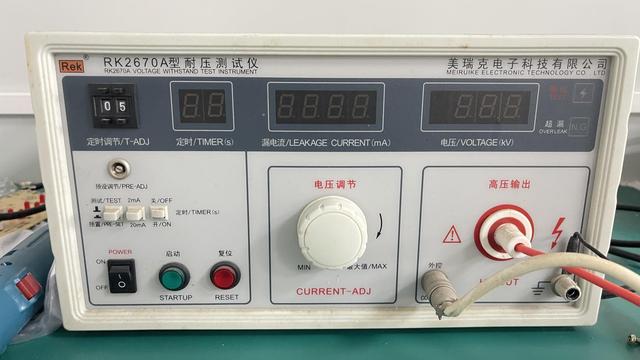
Every unit undergoes a standardized multi-step QC routine prior to packaging. This includes insulation resistance checks, high-voltage leakage testing, continuous load operations under thermal monitoring cameras, and an induction coupling test using standardized pans. Only units meeting our performance criteria are packed for shipping.
Engineered For Global Logistics
 Aris Cooktop