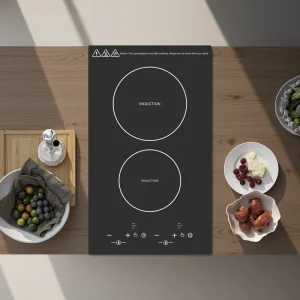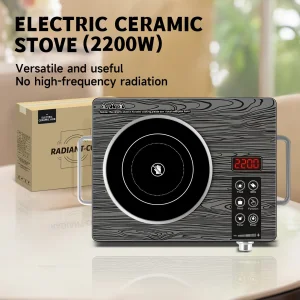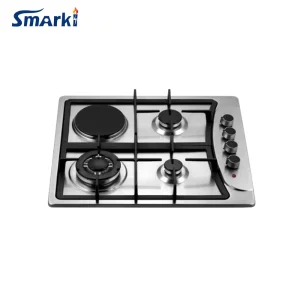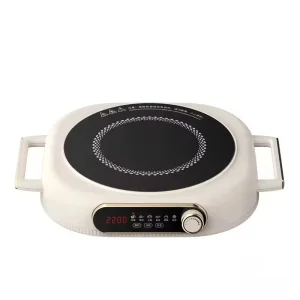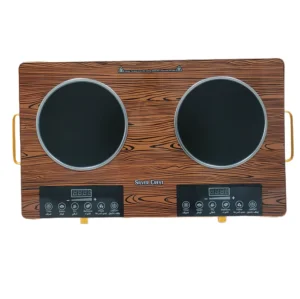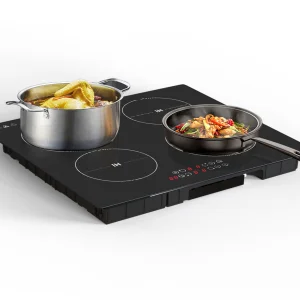
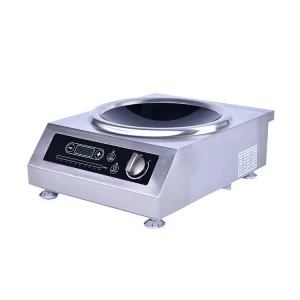
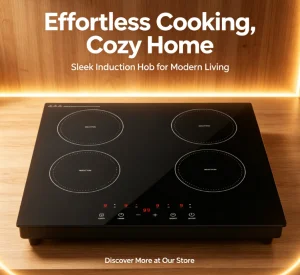
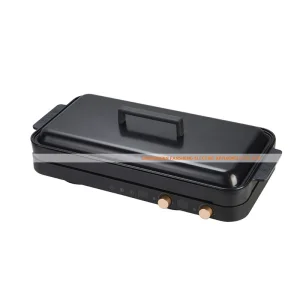
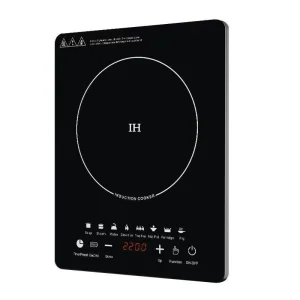
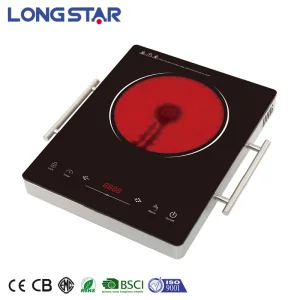
The commercial and domestic kitchen segments are currently undergoing the most significant technical paradigm shift of the 21st century. As municipalities, real estate developers, and national grids actively move toward gas bans and carbon neutrality goals, the demand for electrification solutions has surged. Traditional gas stoves, with thermal efficiency ratings hovering between 35% and 40%, lose the majority of their energy as waste ambient heat. Electromagnetic induction cooking technology, by contrast, achieves an unprecedented 85% to 90% thermal efficiency by generating heat directly inside the ferromagnetic cooking vessel.
"Decarbonization is no longer just a regulatory metric; it is the fundamental driver of modern kitchen architecture. Through high-frequency electromagnetic induction, our systems directly mitigate localized emissions, lowering HVAC thermal loads while improving environmental and operating metrics."
Induction heating relies on high-frequency alternating current passing through a copper coil under a glass-ceramic plate, creating a dynamic magnetic field. When a compatible iron-base pan sits on the plate, the magnetic field induces circular eddy currents within the metal. Because the metal has electrical resistance, this process generates intense heat directly within the pan itself. By bypassing the process of heating an intermediate element and transferring that heat through air, touchscreen induction cooktops reduce energy consumption and eliminate ambient heat dispersion. This makes them crucial for building design, ship galleys, and energy-conscious residential complexes.
The global market for commercial and household induction cooking systems is expanding rapidly. Key drivers include direct subsidies for electric appliances, rising gas prices, and strict fire safety regulations in commercial high-rises. In Europe, the Energy-related Products (ErP) Directive demands higher stand-by power efficiency and lower carbon footprints. In the United States, initiatives like the Inflation Reduction Act (IRA) offer financial incentives to property owners who convert from fossil fuels to induction ranges.
| Market Region | Primary Regulatory Driver | Touchscreen Preference | Preferred Power Output |
|---|---|---|---|
| European Union | ErP Eco-Design Requirements, CE EMC/LVD Compliance | Multi-slider capacitive touch, zero bezel design | 2000W - 7200W (Single to Quad Zones) |
| North America | UL 858, FCC Part 18, IRA Electrification Rebates | Touch with audio confirmation, Child-Safety lock | 1800W (110V) - 7200W (240V split-phase) |
| Asia-Pacific | National Energy Saving Policies, Commercial Fire Safety | Concave (wok) touch-rotary hybrid interface | 2200W - 3500W (Commercial tabletop/built-in) |
| Global Marine | Solas Safety Requirements, Low Electromagnetic Interference | Ultra-durable, thick glass-ceramic, mechanical-touch | 3500W - 5000W Heavy Duty |
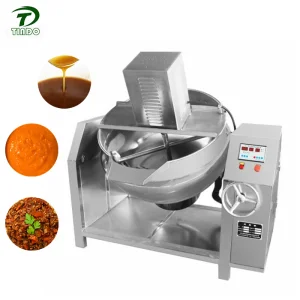
Industrial food processing has also adopted induction solutions. Jacketed mixers and planetary stirring cooking kettles rely on heavy-duty industrial induction coils to process ingredients at high volumes. This setup delivers precise thermal profiles and reduces caramelization and product degradation. B2B procurement departments now prioritize manufacturers who can supply certified components, ensuring that every product meets local electrical grid guidelines and limits electromagnetic interference (EMI).
The reliability of a touchscreen induction cooker is determined by its internal power electronics and user interface design. High-performance models use Insulated Gate Bipolar Transistors (IGBTs)—sourced from top-tier component manufacturers like Infineon—configured in either a single-tube resonant circuit or a more stable half-bridge resonant topology.
Utilizes dynamic charge transfer sensing to operate reliably under wet conditions, with oil coatings, or when using thick kitchen gloves. Features advanced EMI shielding to protect the control unit from high-frequency coil noise.
Dual-IGBT switching topologies prevent continuous high-current stresses, reducing operating temperatures, extending component lifespans, and providing stable power levels even at low heat settings.
Integrated thermistors monitor both glass surface temperatures and IGBT heat sinks. Real-time feedback loops dynamically scale back input power or initiate shutdown sequences if thermal runaway is detected.
Glass-ceramic selection is also critical. Premium cooktops feature crystallite glass with zero thermal expansion, enabling it to withstand thermal shock up to 800°C without cracking. The glass chemistry is tailored for high mechanical impact resistance, easy cleaning, and optimal optical transmission, ensuring infrared sensors can accurately monitor pan temperatures through the surface.
Foshan Aris Cooktop Co., Ltd. is a professional China induction cooktop manufacturer and smart induction stove supplier, specializing in the research, development, manufacturing, and global distribution of advanced kitchen cooking appliances. Based in Foshan, Guangdong, a renowned center for home appliance manufacturing, the company is committed to delivering innovative, energy-efficient, and reliable cooking solutions for customers worldwide.
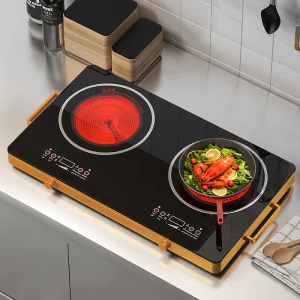
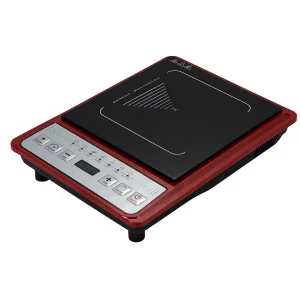
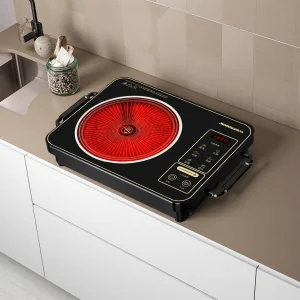
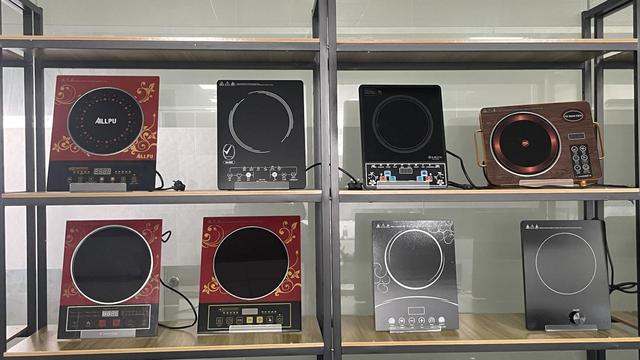
Aris Cooktop offers a comprehensive range of products, including built-in induction cooktops, portable induction cookers, commercial induction stoves, double burner induction cooktops, smart induction hobs, and customized kitchen appliance solutions. Combining modern design with intelligent technology, our products are engineered to provide fast heating, precise temperature control, enhanced safety, and superior energy efficiency for both residential and commercial applications.
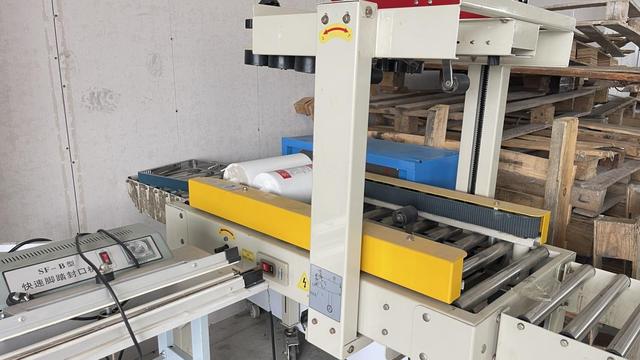
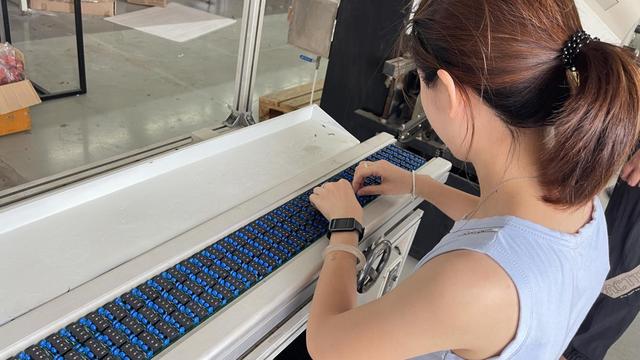
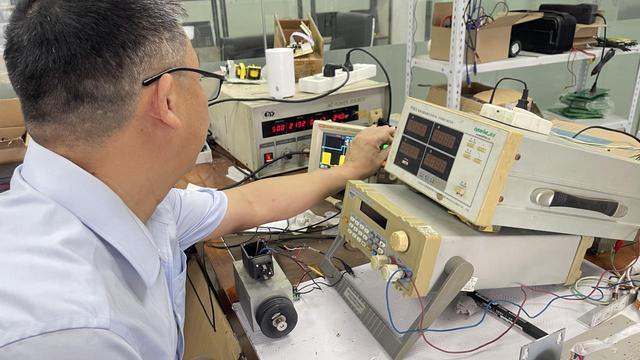
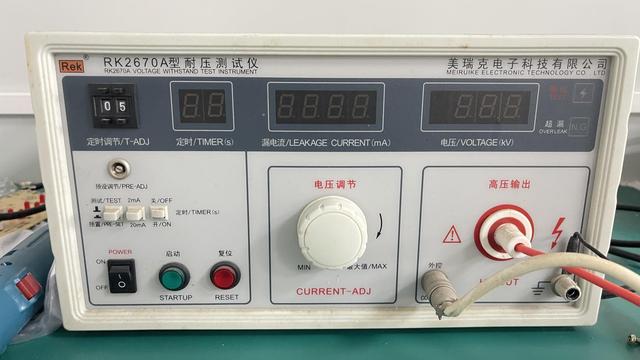
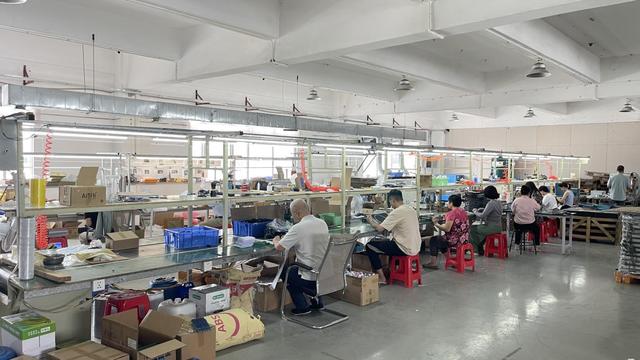
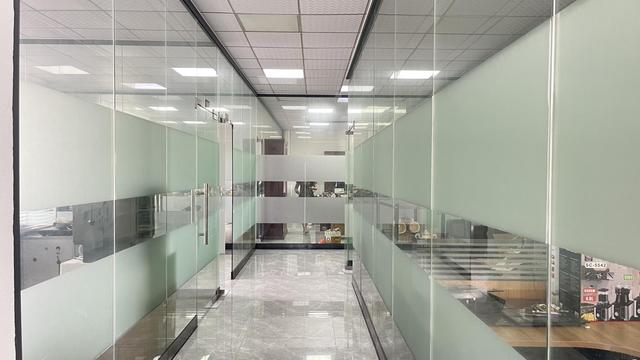
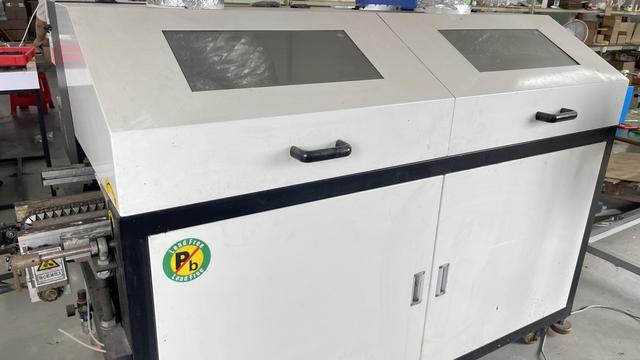
Equipped with advanced production facilities and automated assembly lines, Aris Cooktop maintains strict quality control throughout every stage of manufacturing. From raw material sourcing and component inspection to product testing and final packaging, each induction cooktop undergoes comprehensive performance and safety evaluations to ensure compliance with international quality standards.
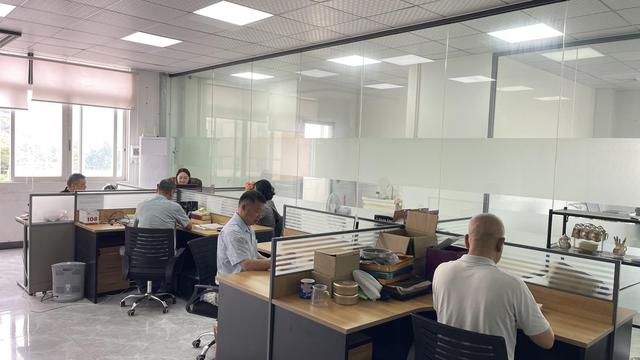
To meet the diverse requirements of global markets, we provide flexible OEM and ODM services for international brands, distributors, wholesalers, retailers, and e-commerce businesses. Our experienced R&D team works closely with customers to develop tailor-made products, offering customized designs, functions, user interfaces, packaging, and private label solutions.
Driven by innovation, quality, and customer satisfaction, Foshan Aris Cooktop Co., Ltd. continues to strengthen its presence in global markets. We strive to become a trusted partner for smart kitchen appliances by delivering high-performance induction cooking solutions that create safer, more convenient, and energy-saving cooking experiences for consumers around the world.
For international distributors and B2B buyers, importing kitchen appliances requires strict regulatory compliance. Foshan Aris Cooktop maintains comprehensive certification pipelines, with a primary focus on CE (Conformité Européenne) protocols for the European Economic Area, alongside regional certifications:
Every production batch undergoes a strict quality control sequence before leaving the factory floor:
Different target environments demand specialized mechanical and electrical cooktop configurations. Our range is designed to perform reliably across a variety of specific use cases:
Built-in 2-burner and 4-burner cooktops maximize counter space, while features like auto-shutoff and child safety locks address safety requirements for multi-family residential buildings.
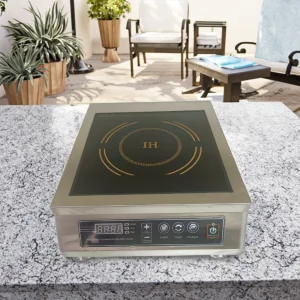
Heavy-duty 3500W tabletop models deliver the continuous high heat needed in professional kitchens. Durable housings protect components during demanding, high-volume shifts.
Energy-optimized, variable voltage (88V-280V) models integrate directly with solar batteries and hybrid generators, making them well-suited for off-grid homes and remote field stations.
Integrating Gallium Nitride (GaN) power transistors to replace traditional silicon IGBTs. This technology yields higher switching frequencies, reduces heat loss by 30%, and enables slimmer cooktop designs.
Moving beyond glass temperature sensors to direct pan-surface infrared detection. This allows the system to adjust power output instantly to match the temperature of the food inside the pan.
Developing hobs that support Matter-compliant smart home integrations, allowing the cooktop to adjust its power usage dynamically based on real-time grid pricing.
CE certification ensures compliance with European safety (LVD), electromagnetic interference (EMC), and environmental (RoHS) standards. Importing non-certified units carries liability risks, legal exposure, and potential customs seizures.
Our touchscreen interface uses specialized capacitive sensors that measure changes in electric charge rather than physical pressure. Combined with a digital filtering algorithm in the controller, this allows the interface to distinguish between accidental surface moisture and direct finger touches, ensuring reliable operation in busy, messy kitchens.
Single-tube circuits use one IGBT to drive high-frequency resonance. They are cost-effective but place more thermal stress on components. Half-bridge circuits use two IGBTs, distributing electrical loads more evenly to increase reliability under sustained heavy use.
Yes. We offer comprehensive OEM/ODM services, including custom glass shapes, printed artwork, unique software controls, personalized box packaging, and tailored wattage configurations.
 Aris Cooktop