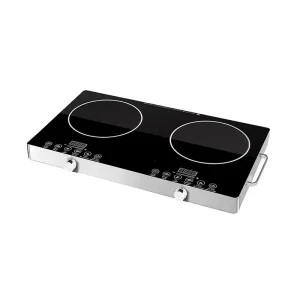
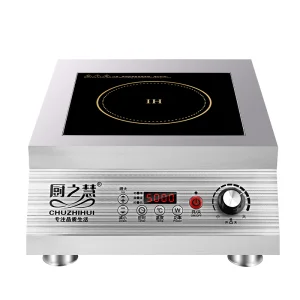
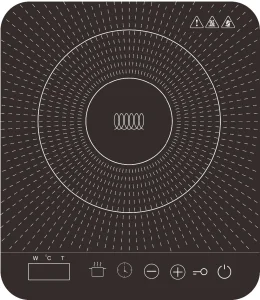
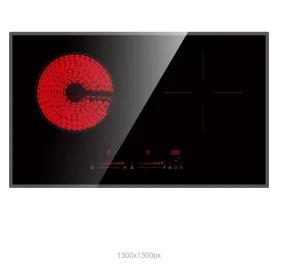
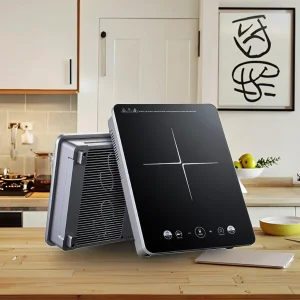
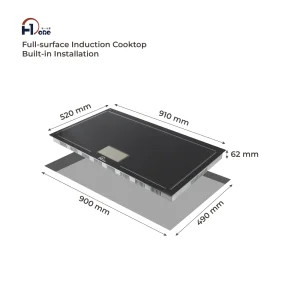
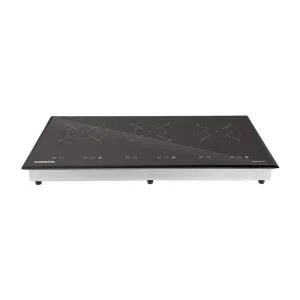
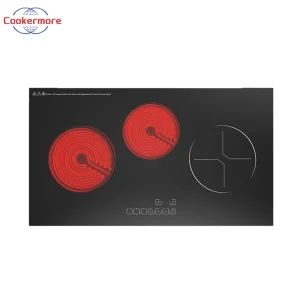
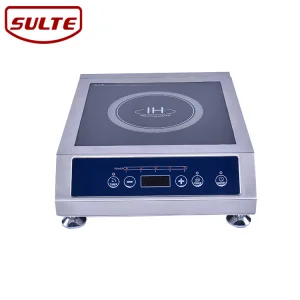
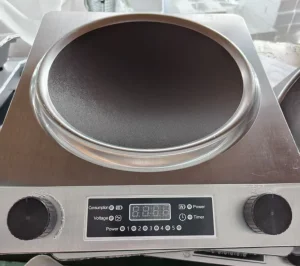
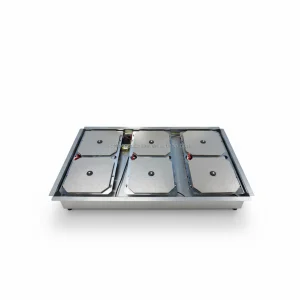
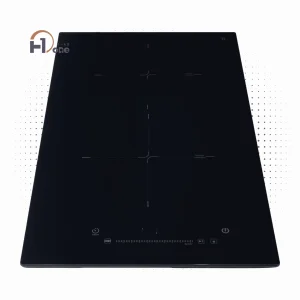
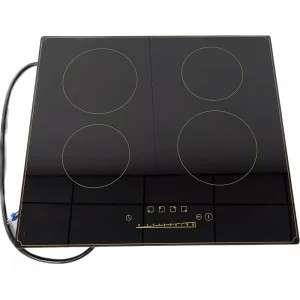
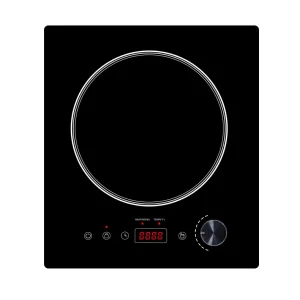
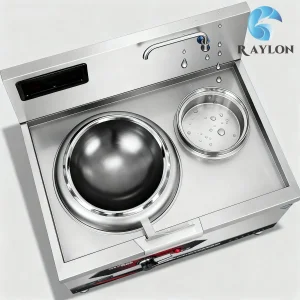
Leverage cutting-edge electromagnetic heating technology certified to international safety and efficiency standards. Select from our built-in, portable, and heavy-duty designs.
The global cooking appliance market is undergoing a seismic shift. Rapid regulatory mandates aiming for net-zero carbon emissions, coupled with volatile natural gas pricing, have accelerated the commercial and residential transition from gas-fired hobs to high-efficiency electric induction stoves. Historically, residential kitchens relied on direct thermal conduction via natural gas or radiant electrical coils. Today, modern building energy codes in North America and Western Europe actively penalize gas installations, paving the way for induction technology to become the baseline standard.
Industrial commercial kitchens, catering networks, and multi-family residential complexes are now assessing procurement strategies based on three central pillars: efficiency metrics, regulatory alignment (particularly CE certification in Europe), and structural reliability. Induction stoves operating at high efficiency (typically >90%) transfer energy directly to the cooking vessel via electromagnetic fields, minimizing ambient heat dissipation and dramatically lowering ventilation and cooling load requirements in commercial facilities.
“The transition to induction is not merely an aesthetic choice. It is a fundamental realignment of energy economics. By direct power coupling through high-frequency alternating currents, we reduce thermal waste by over 40% compared to typical open-flame cooking.”
Within this regulatory framework, the European market represents a significant consumer of premium induction hobs. Under the CE directives, import policies demand strict conformance to the Low Voltage Directive (LVD) 2014/35/EU and the Electromagnetic Compatibility (EMC) Directive 2014/30/EU. As a result, commercial purchasers must exclusively source from CE-certified domestic induction stove factories to bypass stringent customs holds, avoid civil liability, and provide end-consumers with certified safety performance.
China is responsible for over 75% of global induction cooktop supply. Sourcing professionals look specifically to Guangdong Province, particularly the Shunde and Foshan regional appliance manufacturing hubs. The industrial ecology here creates unmatched manufacturing efficiencies:
Proximity to major component manufacturers (copper coils, microcontrollers, high-quality vitro-ceramic glass panels, and IGBT power transistors) reduces regional logistics costs and design cycle times.
Advanced design bureaus can iterate custom housing layouts, aesthetic glass patterns, digital touch control UI, and power distribution PCB firmware in days, rather than months.
Automated winding operations for copper induction coils, high-precision surface-mount technology (SMT) for motherboards, and integrated testing rigs guarantee structural consistency across volume runs.
For international buyers looking to secure long-term contracts, Foshan offers the ultimate trade balance: highly refined, modular designs that can adapt to national differences in voltage (e.g., 220-240V for Europe/Asia versus 110-120V for North America) while maintaining low manufacturing overhead. The continuous R&D focus on magnetic resonance efficiency directly helps global brands remain competitive in their domestic retail and commercial markets.
Foshan Aris Cooktop Co., Ltd. is a professional China induction cooktop manufacturer and smart induction stove supplier, specializing in the research, development, manufacturing, and global distribution of advanced kitchen cooking appliances. Based in Foshan, Guangdong, a renowned center for home appliance manufacturing, the company is committed to delivering innovative, energy-efficient, and reliable cooking solutions for customers worldwide.
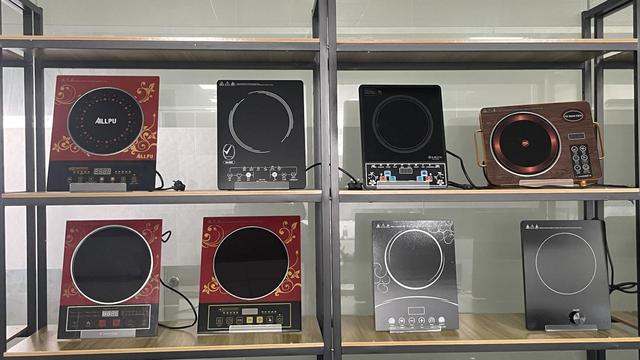
Aris Cooktop offers a comprehensive range of products, including built-in induction cooktops, portable induction cookers, commercial induction stoves, double burner induction cooktops, smart induction hobs, and customized kitchen appliance solutions. Combining modern design with intelligent technology, our products are engineered to provide fast heating, precise temperature control, enhanced safety, and superior energy efficiency for both residential and commercial applications.
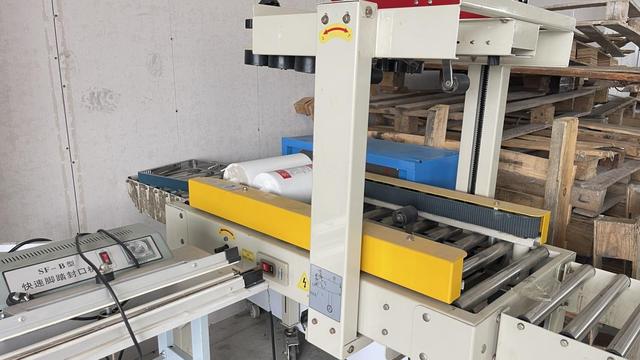
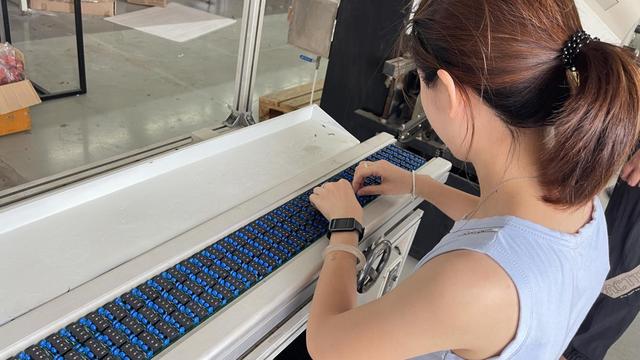
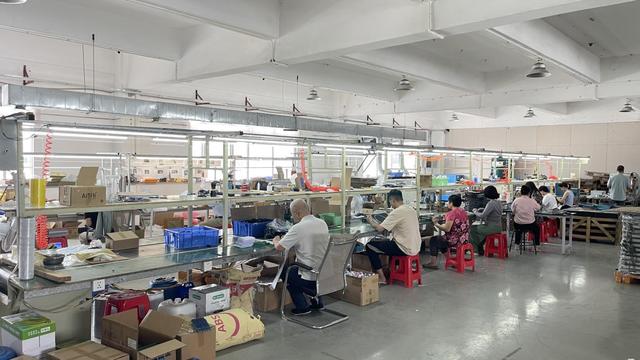
Equipped with advanced production facilities and automated assembly lines, Aris Cooktop maintains strict quality control throughout every stage of manufacturing. From raw material sourcing and component inspection to product testing and final packaging, each induction cooktop undergoes comprehensive performance and safety evaluations to ensure compliance with international quality standards.
To meet the diverse requirements of global markets, we provide flexible OEM and ODM services for international brands, distributors, wholesalers, retailers, and e-commerce businesses. Our experienced R&D team works closely with customers to develop tailor-made products, offering customized designs, functions, user interfaces, packaging, and private label solutions.
Driven by innovation, quality, and customer satisfaction, Foshan Aris Cooktop Co., Ltd. continues to strengthen its presence in global markets. We strive to become a trusted partner for smart kitchen appliances by delivering high-performance induction cooking solutions that create safer, more convenient, and energy-saving cooking experiences for consumers around the world.
Induction stoves are highly adaptable devices. Depending on the target geographic market and structural use case, the configuration demands shift significantly. Aris Cooktop tailors its product design parameters to suit various application ecosystems:
In densely populated metropolitan areas, building codes are increasingly mandating electric cooking to improve indoor air quality (eliminating indoor nitrous dioxide emissions from gas). For these environments, built-in 2-burner and 4-burner induction cooktops with sleek ceramic panels are standard. Space optimization is key, requiring slim under-counter profiles to allow for under-cooktop drawers or compact ovens.
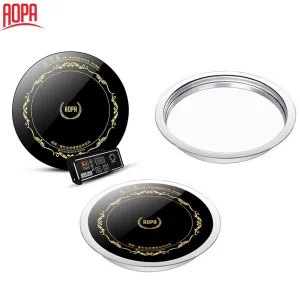
The rise of customized commercial dining experiences, such as personal hot pot tables, has spurred massive demand for single-zone, flush-mounted magnetic mini induction stoves (e.g., AOPA H18 series). These commercial units require high-cycle durability, waterproof touch controls, and continuous cooling fans capable of operating inside enclosed table structures for hours on end.
Mobile applications prioritize precise power distribution and high durability under vibration. High-efficiency portable induction stoves operating at 1800W to 2000W allow caravan and marine users to cook safely without the danger of open LP gas flames in enclosed spaces. Power-inverter compatibility is crucial here to prevent overloading vehicle battery networks.
The induction hob industry is no longer competing solely on raw wattage. The focus has pivoted toward smart control, thermal management, and invisible design integration. Key trends driving the development roadmap include:
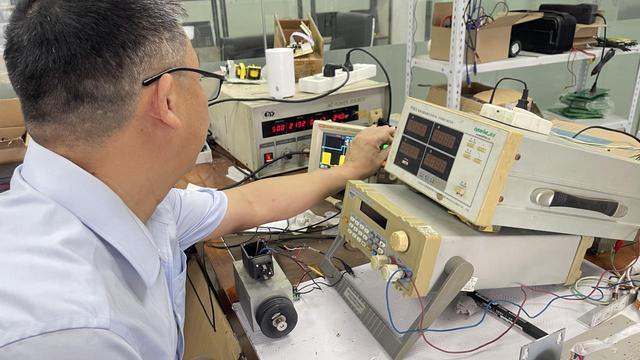
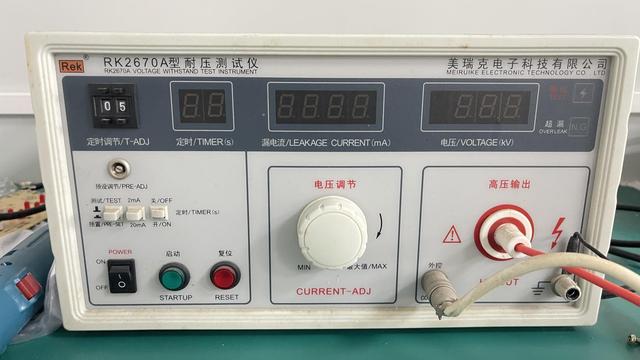
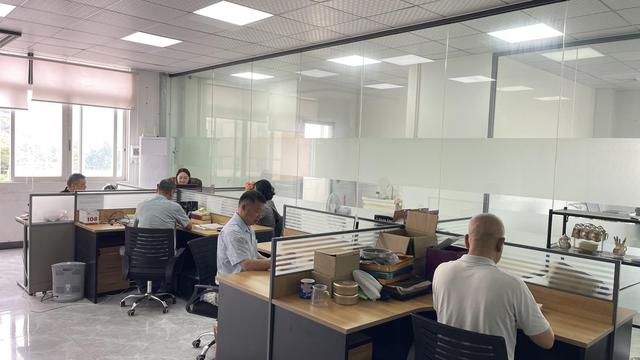
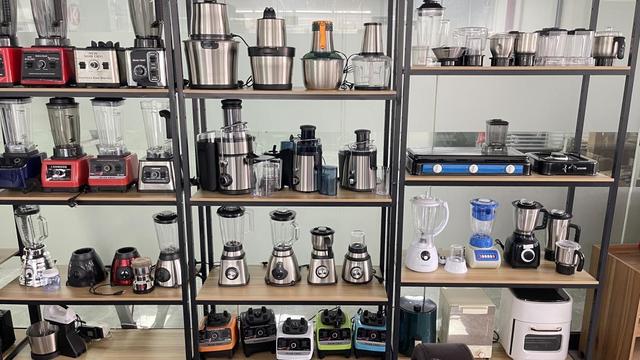
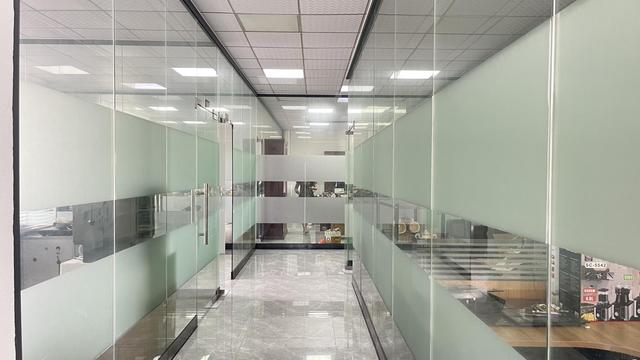
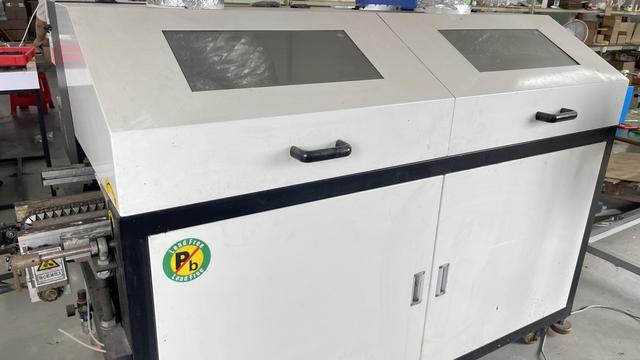
Take a look inside the modern assembly workshops, quality assurance zones, and structural testing labs at our Foshan facility.
To successfully market electric induction hobs in the European Economic Area (EEA), compliance is not optional. Professional factories undergo a series of rigorous testing sequences administered by notified bodies (such as SGS, TUV, or Intertek) to earn their CE Certification:
This ensures the physical stove handles electrical surges, remains properly grounded, and isolates internal high voltages from the end-user. Thermal management tests evaluate if internal cooling fans can prevent components from overheating during continuous high-load operations.
Induction stoves operate using high-frequency magnetic resonance. Crucially, they must not emit electromagnetic interference (EMI) that disrupts other household appliances, pacemakers, or local communication networks. The stove must also demonstrate high immunity to external electrical grid fluctuations.
European guidelines demand that household hobs maximize thermal energy efficiency. Products are tested on how quickly and efficiently they heat standard water volumes in specific metal pans, measuring standby power consumption to limit municipal grid strain.
Get answers to technical, commercial, and regulatory questions regarding B2B procurement of CE-certified induction stoves.
Explore our specialty and commercial kitchen items, including built-in units, mini commercial hot pots, and high-efficiency induction woks.
 Aris Cooktop