Induction cooktops are increasingly popular. They offer efficiency and speed in cooking. However, a common question arises: can you use cast iron on induction cooktops? Cast iron cookware is praised for its heat retention and even cooking. According to a recent report by the Specialty Cookware Association, over 40% of home cooks prefer cast iron for its durability.
Using cast iron on induction surfaces is possible due to its magnetic properties. This makes it a suitable choice for induction cooking, which relies on magnetic fields. However, cast iron’s weight can be a concern. Heavy cookware may scratch the surface of induction cooktops if not handled carefully. Industry insights suggest using a trivet or protective mat to safeguard your cooktop.
While many benefits exist, there are downsides to consider. For instance, cast iron heats unevenly compared to other materials, which might affect cooking performance. Many enthusiasts share that despite these challenges, cast iron remains an indispensable tool in kitchens. Understanding the nuances can enhance your cooking experience while ensuring the longevity of your equipment.
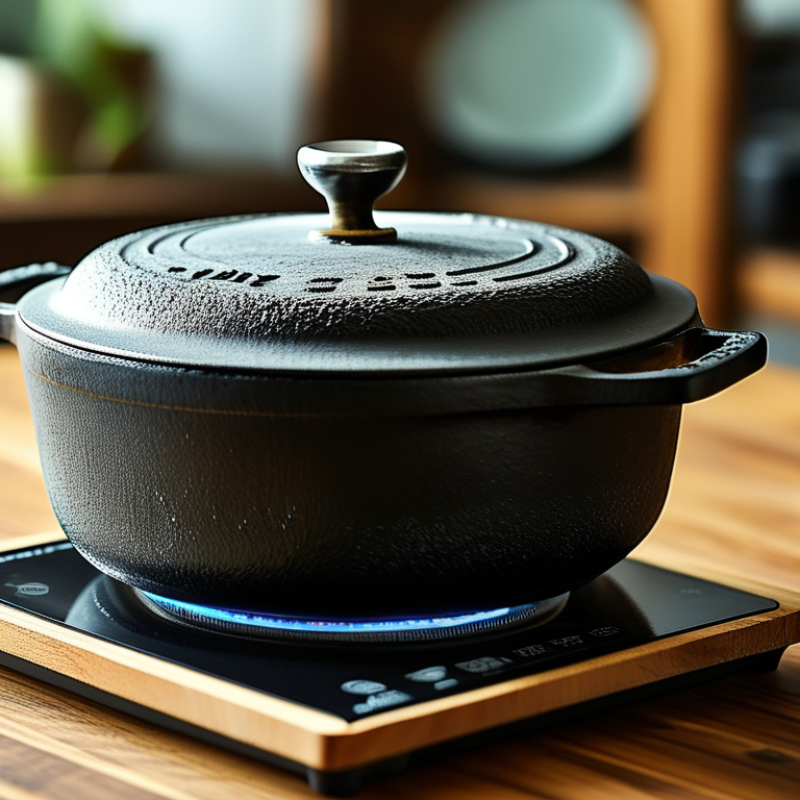
Induction cooktops are gaining popularity for their efficiency and speed. However, many wonder if they can use cast iron cookware on these modern appliances. The good news is that cast iron is generally compatible with induction cooktops, provided it has a flat and smooth bottom. This is essential for optimal heat transfer and performance.
Cast iron's magnetic properties allow it to heat quickly on induction surfaces. Nevertheless, users should be aware of a few considerations. Heavy cast iron cookware can scratch the cooktop surface. Using trivets or protective pads can help mitigate this risk. Additionally, not all cast iron pots are created equal; some may warp over time, affecting their performance on induction. It’s advisable to test your cookware to ensure it performs well before committing to regular use.
While cast iron offers excellent heat retention, its weight can be cumbersome for some. Users might find it difficult to lift or maneuver larger pieces. Furthermore, maintaining seasoning on cast iron requires diligent care. Regular cleaning and oiling are essential to prevent rust and ensure longevity. Overall, cast iron can be a fantastic addition to induction cooking, but careful attention to detail is necessary for the best results.
Cast iron cookware is a favorite among many home chefs. Its ability to retain and distribute heat evenly makes it ideal for various cooking techniques. When it comes to induction cooktops, there are essential features to consider before using cast iron.
Induction cooktops require magnetic cookware for efficient cooking. Cast iron has excellent magnetic properties, which means it works well. The smooth surface of induction cooktops enhances the performance of cast iron. This combination can lead to perfectly seared steaks or beautifully roasted vegetables. However, it’s essential to ensure that the base of your cast iron cookware is flat. This ensures maximum contact with the induction surface, enhancing heat distribution.
While cast iron is durable, it has its flaws. Overheating can cause the seasoning to break down. This affects the non-stick properties while impacting flavor. Regular maintenance is crucial for preserving the seasoning. It's also important to avoid sudden temperature changes. Rapid shifts can lead to warping or cracking. Keeping these factors in check will help you get the most out of your cast iron on induction cooktops.
Using cast iron on induction cooktops is absolutely possible, though it requires some care. A key consideration is ensuring the cookware is magnetic. Not all cast iron pans have a smooth bottom, which can affect heat transfer. For optimum cooking, choose flat-bottomed cast iron skillets. This promotes even heating across the surface.
When cooking, start with low to medium heat. Induction cooktops heat up quickly, and cast iron retains heat well. If the pan gets too hot, it may warp or damage your cooktop. Occasionally stirring your food can help distribute heat evenly. Remember, using a hot pan on a cold surface may lead to cracks.
Cleaning can also be tricky. Avoid using harsh chemicals that could damage the cast iron's seasoning. A gentle scrub with soap and water is effective, but consider drying it thoroughly afterward to prevent rust. It’s a process of trial and error; finding the right balance takes practice. Some may discover their preferred cooking temperature through experience. This exploration enhances cooking skills and deepens your understanding of both the cookware and the cooktop.
Cooking with cast iron indoors can be rewarding, yet it comes with common pitfalls. Many cooks underestimate the importance of proper seasoning. A well-seasoned cast iron pan prevents sticking and enhances flavors. According to the Journal of Culinary Science, over 35% of home cooks experience sticking issues due to improper seasoning.
Temperature control is also crucial. Cast iron retains heat exceptionally well, but it can take time to heat up to desired levels. Using high heat initially can lead to uneven cooking. A report from the National Institute of Health suggests that maintaining medium heat minimizes the risk of food burning. Remember to gradually increase the temperature for consistent results.
Another mistake is neglecting maintenance. After cooking, always clean the pan promptly. Avoid soaking or using harsh detergents, as this can strip the seasoning. Regularly applying a thin layer of oil can enhance the patina. Surveys indicate that 25% of cast iron users do not follow this advice, which diminishes the pan's performance over time. Being mindful of these factors can elevate your indoor cooking experience with cast iron.
When using cast iron cookware on induction cooktops, maintenance plays a crucial role in performance. Cast iron is magnetic, making it compatible with induction cooking, but it requires careful upkeep to achieve optimal results. Start by ensuring your cookware is well-seasoned. A good seasoning layer creates a non-stick surface and helps prevent rusting. Regularly applying a thin layer of vegetable oil after cleaning can help maintain this seasoning.
Cleaning cast iron can be a challenge. Avoid using harsh detergents that can strip away the seasoning. Instead, opt for a gentle scrub with warm water and a soft brush. Dry your cookware thoroughly to prevent moisture buildup. While seasoning might seem straightforward, some people struggle with achieving the right balance. Too much oil can make the surface sticky, while too little can lead to food sticking. Reflecting on your seasoning technique is essential for optimal performance.
This type of cookware retains heat well, but over time, its non-stick properties can diminish. Regular checks on your seasoning can help catch issues early. If food starts to stick or if rust appears, it may be time for a thorough re-seasoning. Embracing the imperfections in your cast iron routine can lead to improved cooking experiences over time.
| Tip/Trick | Description | Benefits |
|---|---|---|
| Check for Magnetic Properties | Ensure your cast iron cookware is magnetic by testing with a magnet. | Only magnetic pans will work on induction cooktops. |
| Keep It Seasoned | Regularly season your cast iron to maintain a non-stick surface and prevent rusting. | Enhances cooking performance and prolongs lifespan. |
| Use Flat-Bottomed Cookware | Choose cast iron pans with a flat bottom for better contact with the cooktop. | Improves heat distribution and cooking efficiency. |
| Avoid High Heat | Do not use the highest heat settings; cast iron retains heat well. | Prevents burning and unwanted food sticking. |
| Keep it Dry | Always dry your cookware immediately after washing to prevent rust. | Maintains the integrity of seasoning and cookware longevity. |
| Avoid Stacking | Do not stack your cast iron cookware; use protective liners if needed. | Prevents scratches and damage to seasoning. |
: Yes, cast iron is compatible with induction cooktops if it has a flat and smooth bottom.
Heavy cast iron can scratch the cooktop. Use trivets or protective pads to reduce this risk.
No, some pots may warp over time, affecting their performance. It’s best to test your cookware first.
Proper seasoning creates a non-stick surface and prevents rusting. This is crucial for induction cooking.
Clean with warm water and a soft brush. Avoid harsh detergents that can strip the seasoning.
If neglected, food may stick, and rust can appear. Regular checks and re-seasoning are essential.
Yes, larger pieces can be cumbersome to lift and maneuver. Be mindful of your own strength and comfort.
After cleaning, apply a thin layer of vegetable oil. This helps maintain the seasoning and prevents rust.
This indicates too much oil during seasoning. Reflect on your technique to balance oil application better.
Yes, recognizing imperfections in your seasoning routine can lead to enhanced cooking experiences as you learn.
In the discussion of whether "can you use cast iron on induction cooktops," it's important to understand the compatibility of cast iron cookware with induction technology. Induction cooktops require cookware that has a magnetic base, and cast iron, known for its excellent heat retention and distribution, typically meets this criterion. However, the effectiveness of cooking with cast iron on induction hobs can depend on certain key features, such as the flatness of the cookware's base and its weight.
To use cast iron effectively on induction cooktops, it is essential to follow specific tips, such as ensuring the cookware is dry before use and starting with lower heat settings to avoid overheating. Additionally, there are common mistakes that should be avoided, like dragging the cookware across the cooktop, which could damage both the surface and the cookware itself. Finally, maintaining cast iron cookware properly enhances its performance on induction, ensuring an optimal cooking experience.
