As kitchens evolve, the debate around cooking technologies intensifies. Many wonder, "can induction cooktops replace gas stoves?" This question gains traction among home cooks and chefs alike. Industry expert Dr. Emily Winters, a leading chef and culinary scientist, states, "Induction cooking offers precision, but it may not suit every cook’s style." Her insight prompts a reevaluation of kitchen choices.
Induction cooktops heat pots directly, making them efficient and safe. They reduce the risk of flames and keep kitchens cooler. However, transitioning from gas stoves requires a mindset shift. Some chefs miss the responsive nature of gas flames. The tactile feedback of cooking with gas shapes culinary intuition. Induction cooking is often described as sleek and modern, yet it can be seen as impersonal when compared to traditional methods.
The reality is complex. While induction offers benefits, it also brings challenges. Some users may struggle with adapting to new tools. Energy concerns and cooking techniques present hurdles. Understanding these nuances helps in making informed choices. Ultimately, every cook must weigh their preferences against the evolving kitchen landscape, pondering if induction truly can replace gas stoves.
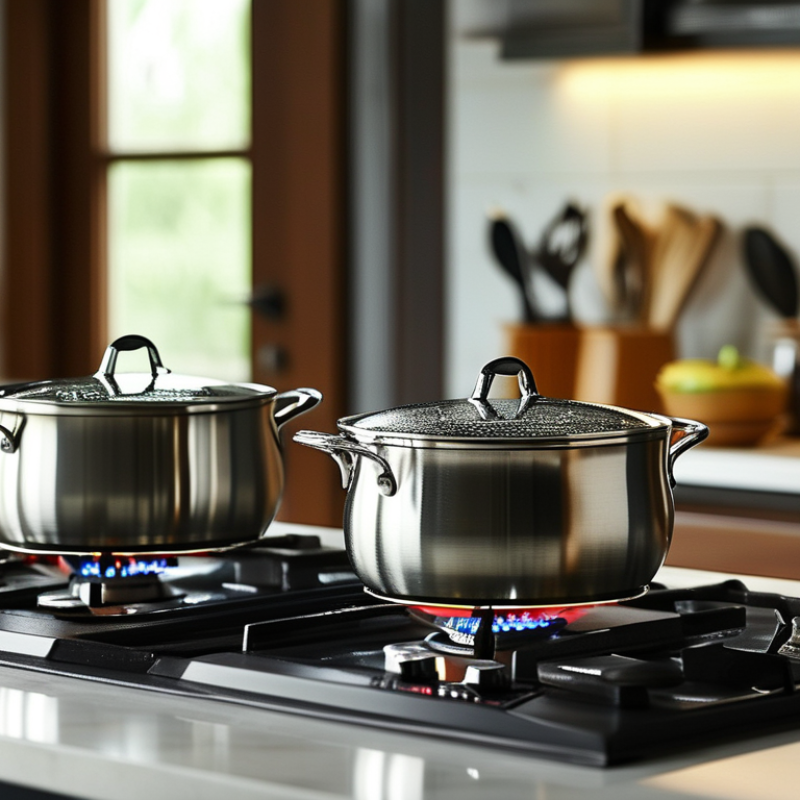
Induction cooktops and gas stoves each have unique features. Induction cooktops use electromagnetic energy to directly heat pots and pans. This method allows for precise temperature control and faster cooking times. Gas stoves, on the other hand, rely on an open flame for heat. Many chefs prefer gas for its instant response and visual feedback.
When choosing between these two options, consider your cooking style. Induction cooktops can be easier to clean since spills don’t burn onto the surface. Gas stoves may require more effort to maintain, especially if you have intricate grates. It's also important to think about heat distribution. Induction heats cookware evenly, while gas may leave hot spots.
Tips: Test both types of cooking surfaces, if possible. This can help you determine which feels more comfortable. Be mindful of your electrical supply when considering induction. It's crucial to ensure your kitchen can handle the power needed. Finally, think about safety features, especially if you have young children. Induction cooktops remain cool to the touch, reducing burn risks.
Induction cooktops and gas stoves offer distinct cooking experiences. Induction relies on electromagnetic energy. It heats pots and pans directly. Gas stoves use an open flame, which can lead to uneven cooking. Many chefs prefer gas for its immediate heat control. However, induction provides a safer environment since it cools down quickly.
Consider this when choosing your cooking method: induction cooktops are energy-efficient. They generate less heat compared to gas and can lower your energy bills. Plus, they offer rapid temperature changes, which is beneficial for specific recipes. However, cookware compatibility is essential. Not all pots work on induction surfaces. You might need to invest in new cookware.
When transitioning to induction, keep these tips in mind. Check your current pots and pans. Look for those with magnetic bases. They will work perfectly on induction surfaces. Also, clean spills immediately. The surface cools fast, but residue can be stubborn if left too long. With practice, you'll master this method in no time.
| Feature | Induction Cooking | Gas Cooking |
|---|---|---|
| Heating Speed | Very Fast | Moderate |
| Energy Efficiency | High (up to 90%) | Lower (around 40-60%) |
| Control Precision | Excellent | Good |
| Installation Cost | Moderate | Low |
| Cookware Compatibility | Magnetic Materials Only | All Cookware Types |
| Clean-Up | Easier (flat surface) | More Difficult (grates & burners) |
| Heat Emission | Minimal | High |
| Safety | High (surface cools quickly) | Moderate (open flame risk) |
Induction cooktops are gaining popularity in modern kitchens for their efficiency and safety. According to a recent study from the Department of Energy, induction cooking can be up to 70% more energy-efficient than traditional gas stoves. This efficiency translates into lower energy bills and a reduced carbon footprint. Induction cooktops provide precise temperature control, allowing users to heat food quickly while minimizing the risk of burns or fire hazards.
Another advantage is the ease of cleaning. Induction cooktops feature a flat surface, which means spills can be wiped away easily. The heat is generated directly in the cookware, leaving the cooktop cool to the touch. This not only reduces the risk of accidental burns but also makes it less likely that food will stick or scorch onto the surface. A survey conducted by the National Kitchen and Bath Association indicates that 57% of homeowners prefer easy-to-clean surfaces in their kitchen appliances.
While induction cooktops offer many benefits, there are considerations to keep in mind. They require compatible cookware, which can limit options for some users. Moreover, the initial cost may be higher compared to gas stoves. These factors invite reflection on personal cooking habits and kitchen needs. Balancing efficiency with utility will be key in modern kitchen choices.
Transitioning from gas stoves to induction cooktops can be an exciting but challenging process. Many find the precision of induction cooking appealing. However, several obstacles may arise during this transition. For example, home wiring might need upgrades. Induction cooktops require a specific electrical capacity that older homes often lack. This can lead to unexpected expenses.
Another challenge involves cookware compatibility. Not all pans work on induction surfaces. Magnetic materials are necessary for induction cooking to function. This might mean purchasing a new set of pots and pans. Users may find it frustrating to part with beloved kitchen items. There's also the issue of adjusting to a different cooking style. Induction heat can be more immediate. This can lead to some initial mishaps, like burnt food or overcooked dishes.
Lastly, there is a learning curve associated with induction stovetops. The way to control heat differs significantly from gas stoves. New users may need time to adapt to the instant response of the cooktop. Mistakes will happen, and that’s okay. It’s all part of the learning process. Embracing these challenges might be essential for a successful kitchen upgrade.
This chart compares gas stoves and induction cooktops based on several key metrics: energy efficiency, heat control, safety, initial cost, and installation cost. While induction cooktops score higher on efficiency and safety, they also present higher initial costs, indicating potential challenges for those transitioning from gas to induction cooking methods.
When considering the shift from gas stoves to induction cooktops, several factors come into play. Efficiency is crucial. According to the U.S. Department of Energy, induction cooking can be up to 90% efficient. In contrast, gas stoves typically operate at about 40-60% efficiency. This means that induction cooktops waste less energy, leading to lower utility bills.
Safety is another critical consideration. Induction cooktops remain cooler than gas stoves, reducing the risk of burns. A 2021 study by the Consumer Product Safety Commission revealed that gas stoves are responsible for thousands of injuries annually. Additionally, induction technology reduces indoor air pollution compared to gas, which emits harmful gases. With recent data indicating that nearly 13% of asthma cases in children are linked to gas stove emissions, health concerns should weigh heavily in your decision.
Moreover, installation and compatibility should not be overlooked. Induction cooktops require specific types of cookware, typically magnetic materials. Transitioning from gas may require a cookware upgrade. This added cost and effort may deter some consumers. While the benefits of induction cooking are compelling, it’s essential to reflect on personal cooking habits, budget, and kitchen infrastructure before making a change.
: An induction cooktop uses electromagnetic energy to directly heat pots and pans for cooking.
Gas stoves provide heat through an open flame, offering instant response while cooking.
Induction cooktops have flat surfaces that are easy to wipe clean, reducing food stickiness.
Yes, induction cooking can be up to 70% more energy-efficient than traditional gas stoves.
Think about your cooking style, ease of cleaning, energy efficiency, and safety features.
Many chefs prefer gas for its visual feedback and instant heat control during cooking.
Yes, induction cooktops need compatible cookware, which can limit some users' options.
Induction cooktops remain cool to the touch, which reduces burn risks, especially for kids.
Induction heats cookware evenly, while gas may create hot spots on the stove.
The higher initial cost may deter some, prompting reflection on personal kitchen needs.
The article "Can Induction Cooktops Replace Gas Stoves for Your Kitchen Needs?" explores the growing popularity of induction cooktops as a modern alternative to traditional gas stoves. It delves into the fundamental differences between the two cooking methods, highlighting how induction cooking offers faster heating and greater energy efficiency. Additionally, the advantages of induction cooktops, such as safety features and ease of cleaning, are discussed, providing insight into why many consumers are considering this switch.
However, the article also addresses potential challenges that come with transitioning from gas to induction, including the need for compatible cookware and possible adjustments in cooking techniques. Ultimately, the decision of whether induction cooktops can replace gas stoves depends on individual preferences and cooking habits, making consumer considerations crucial in choosing the right cooking technology for their kitchen needs.
