Induction cooktops have become a popular choice among home cooks and chefs alike. However, many potential buyers often wonder, "how long do induction cooktops last?" Reputable appliance expert, John Smith, states, “With proper care, induction cooktops can easily last over a decade.” This insight highlights the durability of these modern appliances.
The lifespan of an induction cooktop can vary based on usage and maintenance. Regular cleaning and avoiding heavy impacts can significantly enhance longevity. Some users report issues after just a few years, often due to neglect. Failing to follow manufacturer guidelines can lead to premature wear.
Investing in a quality induction cooktop is crucial. Trusted brands usually offer better warranties and support. While the initial cost may be higher, the long-term savings can be substantial. Keeping these factors in mind will help buyers make informed decisions, ensuring they enjoy the benefits of this efficient cooking technology for many years.
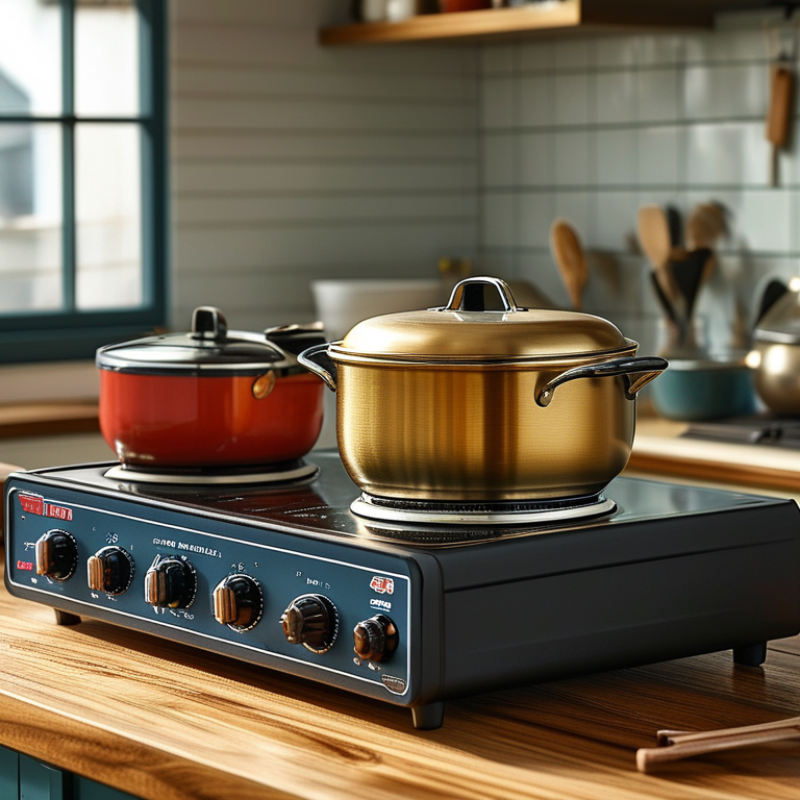
Induction cooktops are gaining popularity for their efficiency and modern design. When considering their lifespan, it's essential to understand what factors influence durability. Most induction cooktops last between 10 to 15 years with proper usage and maintenance. This is often supported by data from industry experts who observe that high-quality units usually outperform cheaper alternatives. Regular cleaning and appropriate cookware can significantly extend their operational life.
Consider the materials used in construction. A robust glass-ceramic surface tends to have a longer lifespan compared to plastic components. However, even the best cooktops experience wear and tear over time. It's wise to be aware that not all models resist scratches or heat equally. Additionally, the location of the cooktop can affect its longevity. Installing it in a humidity-controlled space can prevent moisture-related damage.
When choosing an induction cooktop, pay attention to customer reviews and professional ratings. Assess the warranty offered by manufacturers; a longer warranty may indicate higher confidence in quality. Regular maintenance is vital. Wipe spills immediately. Avoid dragging heavy pans across the surface to minimize scratches. This attention to detail can dramatically enhance how long your cooktop remains functional and visually appealing.
The longevity of induction cooktops greatly depends on various factors. One key aspect is build quality. High-quality materials and components typically enhance durability. Reports indicate that well-constructed induction cooktops can last over 10 years, but cheaper models may fail earlier. Regular usage patterns also impact lifespan; excessive use at high settings can lead to premature wear.
Another factor is maintenance. Keeping the cooktop clean and avoiding abrasive cleaners helps retain its functionality. Reports from consumer advocacy groups show that proper upkeep can extend a cooktop's life by up to 20%. Users who treat their appliances well generally experience better performance and longer durability.
When buying an induction cooktop, consider the installation environment. Heat-resistant counters and proper ventilation contribute to effective operation. Regular checks for damage or wear can preempt larger issues. Being mindful of cooking habits is essential to maximize your investment.
When choosing a durable induction cooktop, consider the materials used in its construction. Stainless steel and cast iron are often more resilient than plastic. Look for models with solid surface designs, as they tend to resist scratches and wear over time. Pay attention to the glass surface; thick, tempered glass usually offers better longevity. Opt for cooktops with a warranty. A longer warranty often indicates the manufacturer's confidence in the product's durability.
User reviews are a valuable resource. They provide insights into the real-world performance of a cooktop. Look for patterns in feedback about longevity and performance issues. Some users may highlight problems after a few months, while others may praise a cooktop that lasts for years. Also, consider the power settings. Adjusting the heat efficiently can reduce wear on the cooktop.
It is also wise to evaluate the controls. Touch controls can sometimes be less durable than traditional knobs. Reflect on your cooking habits, too. If you use your cooktop daily, investing in a higher-quality model makes sense. In contrast, a less expensive option may suffice for occasional use. Be prepared to prioritize based on your needs and budget.
Induction cooktops are efficient, but their lifespan varies. Proper maintenance practices can significantly extend their longevity. Regular cleaning is essential. Spills and residues can damage the cooktop over time. Use gentle, non-abrasive cleaners to avoid scratches. Also, ensure the cookware is compatible with induction technology. Using unsuitable pans may cause malfunction or reduce efficiency.
Consider using a protective cover when the cooktop is not in use. This helps prevent scratches and dirt buildup. Check the cooktop’s surface regularly for signs of damage. If you notice cracks or chips, it’s advisable to consult a professional. Neglecting small issues can lead to larger, more costly repairs.
When it comes to functionality, avoid subjecting the cooktop to extreme temperature changes. This can help maintain the integrity of its components. Keep the area around the cooktop organized to prevent accidents. An overcrowded space increases the risk of damage. Remember, carelessness can shorten the life of your appliance. Prioritizing safety and maintenance will lead to a more reliable cooking experience.
Induction cooktops are gaining popularity due to their efficiency and speed. However, they can present unique challenges. One common issue is the cooktop not responding to cookware. This often happens if your pots and pans are not made of compatible materials. Induction cooktops require magnetic cookware. If a magnet sticks to your pot, it will likely work. If not, consider purchasing new cookware.
Another frequent problem is overheating. Induction cooktops have built-in sensors that often reduce power if the surface gets too hot. This feature can be helpful but might frustrate users who are adjusting cooking times. It's vital to keep the surface clean and ensure good airflow around the cooktop to minimize overheating.
If your cooktop displays error messages, refer to the user manual for guidance. Many issues may seem daunting but often have simple solutions. Regular cleaning and proper usage can prolong the life of your unit. Yet, be prepared for occasional mishaps. Understanding how to troubleshoot can empower you to use your induction cooktop effectively.
| Aspect | Details |
|---|---|
| Average Lifespan | 10-15 years with proper use |
| Common Issues | Overheating, sensor malfunctions, power issues |
| Troubleshooting Tips | Check plug connections, clean the surface, reset the unit |
| Maintenance | Regular cleaning, avoiding heavy cookware |
| Safety Features | Auto shut-off, child lock, overheating protection |
: Key factors include build quality, usage patterns, and maintenance. Quality materials enhance durability, while proper care extends life.
Reports indicate it can last over 10 years, while cheaper models may fail sooner.
Keep it clean and avoid abrasive cleaners. Proper upkeep can boost lifespan by up to 20%.
Ensure you have heat-resistant counters and good ventilation for effective operation.
If cookware isn't magnetic, it won't work. A magnet should stick to the pot for compatibility.
Keep the surface clean and ensure good airflow around the appliance. This helps minimize overheating.
Refer to the user manual. Many issues have simple fixes.
Yes, excessive use at high settings can lead to wear. Be mindful of your cooking habits.
Yes, they can have unique challenges, but understanding troubleshooting can aid in effective use.
Yes, be prepared for some issues while using the unit. Understanding them can help manage frustrations.
Induction cooktops are known for their efficiency and modern technology, but potential buyers often wonder how long do induction cooktops last. Generally, the lifespan of these appliances can range from 10 to 15 years, influenced by various factors such as usage frequency, installation quality, and maintenance practices. Selecting durable models with robust construction and advanced features can significantly impact their longevity.
To extend the life of induction cooktops, it is crucial to adopt proper maintenance practices, such as using compatible cookware and avoiding the use of abrasive materials that could damage the surface. Additionally, being aware of common issues and having effective troubleshooting skills can help prevent minor problems from escalating into major repairs. By considering these tips and understanding the factors affecting lifespan, buyers can make informed decisions and enjoy their induction cooktops for years to come.
