Induction cooktops are rapidly gaining popularity due to their energy efficiency. Homeowners often wonder, "how much electricity does an induction cooktop use?" According to a report by the U.S. Department of Energy, induction cooking can be up to 70% more efficient than traditional gas stoves. This efficiency translates into both energy savings and lower utility bills.
A typical induction cooktop uses around 1,800 to 3,600 watts of power, depending on the setting and the number of burners in use. For instance, a two-burner induction cooktop on a high setting might consume about 3,000 watts. While this seems high, it's essential to consider cooking times. Induction cooktops heat food faster, often reducing overall cooking time by up to 50%.
However, this efficiency comes with caveats. If you're upgrading from gas to induction, initial costs can be high. Additionally, proper cookware is essential, as only magnetic-compatible pots will work. Understanding "how much electricity does an induction cooktop use" helps in making informed decisions that can impact both energy consumption and budget.
Understanding Induction Cooktops: An Overview
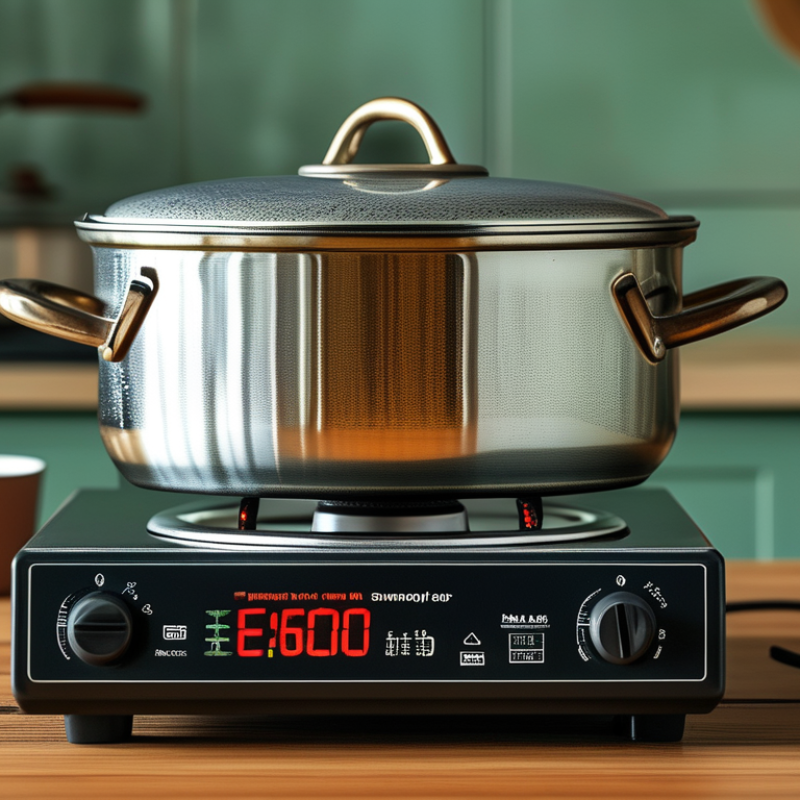
Induction cooktops are a modern kitchen marvel. They use electromagnetic energy to directly heat pots and pans. This method is different from traditional cooking methods, which rely on flames or electric coils. Induction cooking offers quick heating, precise temperature control, and energy efficiency. The technology promises an interesting shift in how we view cooking appliances.
Understanding how induction cooktops work reveals their efficiency. They heat cookware directly, minimizing energy loss. Users often report faster boiling times compared to gas or conventional electric ranges. However, not all cookware is compatible. Only ferrous materials like cast iron or stainless steel work effectively. This detail may frustrate some users, as it requires careful selection of cookware.
Safety is another advantage of induction cooktops. The cooktop's surface remains relatively cool, reducing burn risks. Yet, some may find the initial cost a barrier. While the energy savings are notable, a high upfront expense can be off-putting. Reflecting on these aspects helps potential buyers decide if induction cooking suits their lifestyle.
Energy Consumption Metrics for Induction Cooktops
Induction cooktops have gained popularity due to their efficient energy consumption. When considering energy usage, it's important to track metrics such as wattage and duration of use. Generally, an induction cooktop uses about 1,800 to 3,700 watts when in operation. This wattage can lead to significant energy savings compared to traditional electric or gas stoves.
When cooking, the efficiency of induction technology allows for rapid heat adjustments. This responsiveness means that you can often cook your meals faster, potentially reducing the overall time the cooktop is on. However, it's crucial to use cookware that is compatible with induction. Cookware made from magnetic materials ensures optimal energy transfer, maximizing efficiency.
Tip: Use a lid while cooking to trap heat. This reduces cooking time and energy consumption.
Another consideration is the duration of cooking. If you frequently cook in short bursts, energy costs remain low. However, prolonged cooking sessions can lead to higher consumption. Monitoring your usage patterns can help identify when to turn off the cooktop earlier, thus saving energy.
Tip: Experiment with your settings to find the most efficient temperature for each dish.
Overall, understanding these metrics empowers users to maximize energy efficiency, making their cooking experience both sustainable and economical.
Factors Influencing Electricity Use in Induction Cooking
Induction cooktops are known for their efficiency, but their electricity usage varies. Factors such as the size of the cooktop and the type of pots and pans used can greatly influence consumption. For example, using small cookware on a large burner can lead to wasted energy. It’s essential to match the pot size with the burner to maximize efficiency.
Another factor is the cooking temperature. Higher settings consume more electricity. If you frequently boil or sear food, you may notice a spike in energy use. However, induction cooking is typically more efficient than traditional methods, converting about 90% of energy into heat. The way you prepare meals also makes a difference. Cooking with lids on pots helps retain heat and speeds up the process, ultimately saving electricity.
Proper maintenance of the induction cooktop can enhance its efficiency. Keeping the surface clean ensures better heat transfer. If there are scratches or residues, energy consumption might increase. Reflect on your cooking habits and consider adjustments to optimize electricity use. Taking these factors into account can lead to a more economical and sustainable cooking experience.
How Much Electricity Does an Induction Cooktop Use?
This chart illustrates the average electricity consumption of different cooking tasks using an induction cooktop. The data reflects the estimated usage in kilowatt-hours (kWh) for various cooking methods over a specified duration.
Comparing Induction Cooktops with Traditional Cooking Methods
Induction cooktops have gained popularity for their efficiency and precision.
They use electromagnetic energy to directly heat cookware. This method consumes less electricity compared to traditional gas or electric stoves, which waste heat.
It's essential to compare the energy consumption of induction cooktops with conventional methods to grasp their benefits.
Gas stoves often lose heat to the environment, leading to increased energy usage.
Electric coil stoves take longer to heat up and cool down, wasting energy when left on.
Induction cooktops heat up quickly and respond instantly to temperature changes. Users can save on electricity bills while enjoying faster cooking times.
Tips: Always use flat-bottomed cookware on induction stoves for best efficiency.
Keep your cooktop clean to improve heat conductivity. Remember, while induction is more efficient, initial costs may be higher, leading to a need for careful budgeting.
Look into your cooking habits to evaluate the long-term savings of induction technology.
Tips for Reducing Electricity Usage When Using Induction Cooktops
Induction cooktops are known for their efficiency, but they can still consume significant electricity. One effective way to reduce energy use while cooking is by using the right-sized cookware. Matching the pan size to the induction zone maximizes heat transfer. Cookware that is too small wastes energy, as does cookware that is too large, which can make cooking slower.
Another tip is to keep the induction cooktop clean. A dirty surface can impact performance. Residue can interfere with the cooktop's ability to heat cookware efficiently. Regular cleaning not only maintains efficiency, but it also enhances safety by reducing the risk of smoke and burns.
Using a lid while cooking can retain heat, speeding up the cooking process and reducing the time the cooktop is on. Prepping ingredients can also help. Chopping vegetables and measuring ingredients beforehand minimizes cooking time. Remember that each cooktop is different. Adjusting your cooking methods based on your specific model can lead to better energy efficiency in the long run.
How Much Electricity Does an Induction Cooktop Use? - Tips for Reducing Electricity Usage When Using Induction Cooktops
| Usage Scenario |
Average Power (W) |
Typical Cook Time (min) |
Total Electricity Used (kWh) |
Tips for Reducing Usage |
| Boiling Water |
1500 |
10 |
0.25 |
Use a lid to retain heat |
| Sautéing |
1200 |
15 |
0.3 |
Cook with the pot covered |
| Simmering |
1000 |
30 |
0.5 |
Use lower settings |
| Frying |
2000 |
10 |
0.33 |
Use a thermometer for precise temperature |
| Baking |
1800 |
25 |
0.75 |
Preheat only if necessary |
Conclusion
Induction cooktops are gaining popularity due to their efficiency and speed in cooking. To understand how much electricity does an induction cooktop use, it is essential to consider energy consumption metrics that indicate its power requirements during operation. Typically, induction cooktops can use between 1,200 to 3,700 watts, depending on the model and settings employed.
Several factors influence electricity consumption in induction cooking, including the cooking method, the type of cookware used, and the duration of cooking. Compared to traditional cooking methods, induction cooktops are generally more energy-efficient as they directly heat the cookware rather than the surrounding air. To minimize electricity usage while using induction cooktops, users can implement certain tips such as using appropriately sized pots, keeping cooking durations short, and maintaining cookware properly, thereby enhancing overall efficiency and reducing energy bills.

 Aris Cooktop