If you've ever faced the frustrating question, "why is my induction cooktop not detecting cookware?" you're not alone. Experts like Chef Michael Symon emphasize the importance of the right cookware. He once stated, "Induction cooking requires magnetic materials; otherwise, the cooktop just won't work." Understanding this can change your cooking experience.
Induction cooktops operate differently than traditional methods. They use electromagnetic fields to heat cookware directly. If your pots and pans aren't compatible, the cooktop won't detect them. This can lead to misunderstandings about the appliance's functionality. It's vital to check that your cookware is ferrous, with a magnetic base.
However, not all issues stem from cookware. Sometimes a dirty surface can hinder detection. Residue can create barriers that confuse the cooktop. Also, ensure the cookware is centered and flat on the surface. Addressing these details may require a bit of trial and error. Each kitchen has unique needs, so a personalized approach can be beneficial. Paying attention to these aspects can lead to smoother cooking experiences.
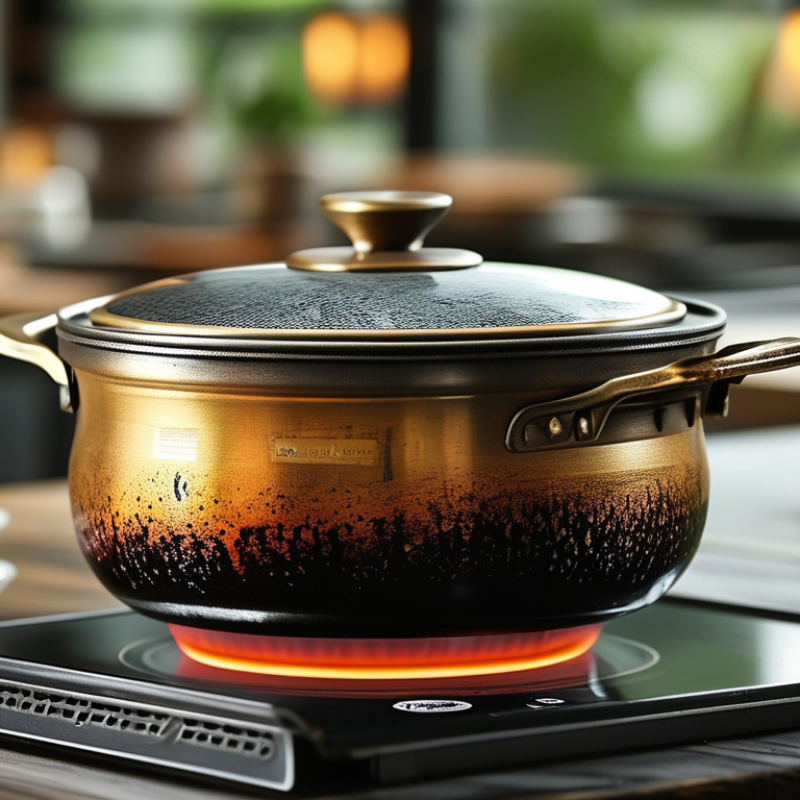
Understanding Induction Cooktops and Their Cookware Compatibility
Induction cooktops are fast and efficient. However, they have a unique requirement for cookware compatibility. Not all pans work with induction systems. They must have ferrous metal bases to be detected by the magnetic field. Cast iron and some stainless steel cookware generally meet this requirement.
If you find your cooktop not detecting cookware, it could be the material. Check if your pots and pans are labeled as induction-compatible. A simple test involves using a magnet. If it sticks to the bottom of the cookware, it’s likely suitable for induction.
Tips for ensuring compatibility include checking for flat, smooth bottoms. Uneven surfaces can disrupt the magnetic connection. Be mindful of the size; pots should cover the induction zone fully. Small pans can lead to detection problems. Lastly, clean the surface of both the cooktop and cookware regularly. Debris can interfere with performance.
Induction Cooktops Cookware Compatibility
Common Reasons for Induction Cooktop Not Detecting Cookware
Induction cooktops are efficient, but they may sometimes fail to detect cookware. Understanding the common reasons for this issue can help users troubleshoot effectively. One major reason is the material of the cookware. Induction cooktops require ferrous metals for proper detection. Cookware made from aluminum, glass, or copper will not activate the cooktop. According to industry reports, over 70% of failures in cookware detection arise from incompatible materials.
Another common cause is the size of the cookware. Induction cooktops detect items based on size and weight. Cookware that is too small or lightweight may not trigger the induction sensor. Research suggests that using pots and pans with a bottom diameter of at least 5 inches is essential for optimal performance. Users should also ensure that the cookware is centered on the cooking zone. Misalignment can hinder detection.
Lastly, a dirty or damaged cooktop surface can pose a problem. Residue from cooking can obstruct the magnetic field. It’s recommended to clean the cooktop regularly with non-abrasive materials. Furthermore, scratches or cracks on the surface can lead to detection issues. Industry experts note that over 25% of induction problems stem from surface-related complications. Regular maintenance can help mitigate these inconveniences.
How to Fix Induction Cooktop Not Detecting Cookware Issue?
| Common Reasons |
Description |
Solution |
| Cookware Material |
Induction cooktops only work with ferrous (magnetic) materials. |
Ensure your cookware is compatible; use a magnet to test. |
| Cookware Size |
The diameter of the cookware must match the size of the induction zone. |
Use cookware that fits the induction cooking zone properly. |
| Surface Condition |
Debris or moisture on the cooktop can interfere with detection. |
Clean the cooktop surface thoroughly and dry it before use. |
| Cookware Base |
A warped or uneven base may disrupt contact with the cooktop. |
Use flat-bottomed cookware to ensure proper contact. |
| Power Supply |
Insufficient power or faulty wiring can cause issues. |
Check the power supply and ensure the cooktop is properly connected. |
Step-by-Step Troubleshooting for Cookware Detection Issues
Induction cooktops are efficient, but they can sometimes fail to detect cookware. This issue can be frustrating, but several troubleshooting steps can help you resolve it. Start by checking if your cookware is compatible. Not all pots and pans work with induction cooktops. Look for cookware labeled as induction-compatible; this often includes cast iron and stainless steel.
If your cookware is suitable, ensure it has a flat bottom. Uneven surfaces can disrupt the electromagnetic field. Test with a magnet: if it sticks well, you are good. Remember, size matters. The cookware should match the cooking zone. A pot too small may not be detected at all.
Tips: Clean the cooktop surface regularly. Food residues can interfere with detection. A damp cloth should suffice for basic cleaning. Also, avoid using cookware with a rough bottom, as it can scratch the cooktop.
If detection issues persist, try restarting the cooktop. Power cycling can often reset the system. Faulty internal sensors might also be a problem. Consulting a technician will provide clarity. Regular maintenance can prevent many issues, ensuring a smooth cooking experience.
Tips for Choosing Compatible Cookware for Induction Cooking
Choosing the right cookware for induction cooking can be tricky. Unlike traditional stoves, induction cooktops require specific materials to detect cookware. This limitation can be frustrating, especially if your pots and pans don’t heat efficiently.
When selecting cookware, check for magnetic properties. Use a magnet to test your pots. If the magnet sticks firmly, the cookware is likely compatible. Stainless steel, cast iron, and some carbon steel options work well. Avoid glass, copper, and aluminum unless they have a magnetic base.
Think about weight and surface area. Heavier pots offer better heat retention. A wider base can help in even cooking. Remember, not every attractive pan is efficient. Assessing quality may require some trial and error. Investing in the right cookware saves frustration in the long run.
When to Seek Professional Help for Induction Cooktop Problems
When dealing with an induction cooktop that struggles to detect cookware, it’s essential to recognize when the issue exceeds your expertise. If you've tried basic troubleshooting, yet the cooktop still fails to function, professional help may be necessary. Common indicators include persistent error codes, unusual noises, or the cooktop not heating even after confirming that the cookware is compatible.
In some cases, a malfunctioning internal component can lead to detection problems. If you notice signs like flickering lights or inconsistent cooking performance, it’s wise to consult an expert. These seasoned technicians have the experience needed to diagnose complex issues. They can assess whether the problem lies within the electronics or circuitry. Seeking help early can prevent further damage that may be costly to repair.
Attempting fixes on your own can lead to frustration and more significant issues. If the cooktop exhibits signs of damage or overheating, do not hesitate to call in a professional. Addressing safety concerns should always come first. Trusting a qualified technician ensures that the appliance is restored to safe working order without compromising your kitchen safety.
FAQS
: The cookware may be made from non-ferrous materials like aluminum or glass. Use compatible materials.
Cookware must have a bottom diameter of at least 5 inches. Smaller items may not be detected.
Use a magnet to check. If it sticks firmly, the cookware is likely compatible with induction cooktops.
Clean the cooktop regularly with non-abrasive materials. Residue can obstruct the magnetic field and hinder detection.
Persistent error codes or unusual noises suggest you should seek expert assistance. Don't ignore these signs.
Yes, damage can lead to detection issues. Regular checking and maintenance are essential to avoid problems.
Attempting repairs can lead to frustration. If in doubt, it’s safer to consult a qualified technician.
Inconsistent performance may indicate internal malfunction. This is a sign to contact a professional for evaluation.
Heavier pots retain heat better and provide even cooking. Choosing the right weight can enhance your cooking experience.
Yes, assessing cookware quality often involves some trial and error. It's part of finding what works best for you.
Conclusion
Induction cooktops are a popular cooking option due to their efficiency and precision. However, one common issue users encounter is: "why is my induction cooktop not detecting cookware?" This problem can arise from several factors, including the type of cookware being used, the cleanliness of the cooktop surface, or malfunctions in the induction system itself. Understanding the compatibility of cookware is essential, as only ferrous materials that contain iron will work effectively with induction technology.
To troubleshoot detection issues, users should follow a step-by-step guide that addresses factors such as ensuring the cookware is flat and clean, checking for a minimum diameter requirement, and troubleshooting the cooktop settings. Additionally, it is crucial to choose cookware specifically designed for induction cooking to avoid future problems. If these measures do not resolve the issue, it may be time to seek professional help to fix potential internal problems with the induction cooktop.

 Aris Cooktop