Cleaning an induction cooktop can seem daunting at first. However, understanding how to clean an induction cooktop effectively is essential for maintaining its sleek appearance and functionality. Induction cooktops utilize electricity to heat cookware directly. This makes them efficient but can lead to stubborn stains and residues if not cleaned properly.
Begin by gathering your cleaning supplies. You will need a soft cloth, a gentle cleaner, and a scraper for tougher spots. Many people overlook the importance of using the right tools. A harsh scrubbing pad can scratch the surface. Regular maintenance can prevent buildup, keeping your cooktop looking new.
While cleaning, take a moment to reflect on your method. Are you being thorough? Sometimes, a quick wipe may overlook grime on the edges. Don't rush through the process; a little extra care can go a long way. Embrace the task, as a clean induction cooktop enhances both safety and cooking efficiency.
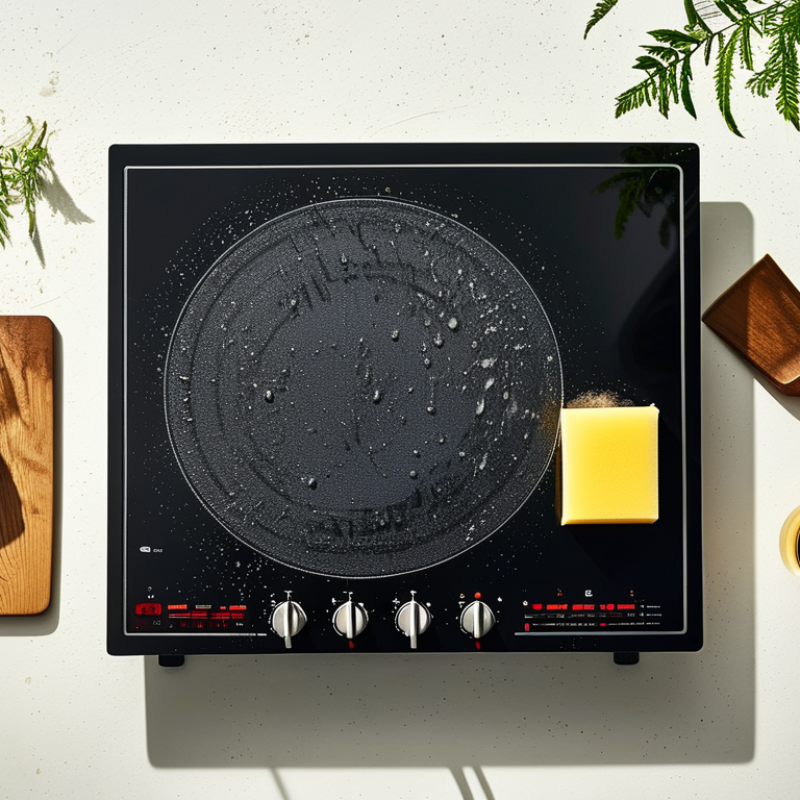
Cleaning an induction cooktop requires the right supplies to maintain its performance and appearance. Start by choosing a gentle cleaner. An abrasive cleaner can scratch the surface, leading to permanent damage. Look for specialized cooktop cleaners that are safe for induction surfaces. These products often contain non-abrasive formulas designed to cut through grease without harming the glass.
Microfiber cloths are essential. They are soft and absorbent, making them ideal for wiping down the cooktop without leaving streaks. Avoid using steel wool or rough sponges, as they can cause scratches. A plastic scraper can effectively remove stubborn food residues without damaging the surface. Always use it with care to prevent any accidental scratches.
When dealing with tough stains, a mixture of vinegar and baking soda can be effective. This natural solution is easy to make and gentle. Apply it carefully and let it sit for a few minutes before wiping it clean. Remember, it's vital to test any new cleaner on an inconspicuous spot first. Every cooktop is different, and it's wise to be cautious. Cleaning methods may need adjusting based on how frequently the cooktop is used and the types of food cooked.
Cleaning an induction cooktop seems straightforward, but it requires careful preparation. Begin by gathering necessary supplies: a soft cloth, a scraper, and a gentle cleaner. According to industry reports, using the right tools can enhance cleaning efficiency by up to 30%. Remove any cookware and crumbs from the surface. This initial step prevents scratches and ensures you can clean effectively.
After clearing the cooktop, it’s essential to check for burnt-on food. Lifting off the burner covers can reveal hidden spots that need attention. Scrubbing at these areas first allows for easier overall cleaning. It's crucial to use a plastic scraper. Metal can scratch the surface, leading to long-term damage. A cautious approach helps maintain the cooktop's original appearance.
Tips: Always let the cooktop cool down before cleaning. This prevents burns and makes it easier to remove grease. If stains remain, a baking soda paste can work wonders. Apply it gently and let it sit for a few minutes. Reflect on your cleaning methods and consider adjusting your routine to maintain your cooktop’s longevity. Regular maintenance can save you from deeper cleans later on.
Cleaning an induction cooktop effectively requires attention to detail. Start by ensuring the cooktop is cool. Use a soft cloth or sponge to wipe away any loose debris. It’s crucial to avoid abrasive materials, as they can scratch the surface. According to a report from the National Kitchen & Bath Association, improper cleaning can reduce the lifespan of your cooktop significantly.
After removing loose debris, apply a suitable cooktop cleaner. Use a few drops, then spread it evenly. Let it sit for a few minutes to break down any stubborn stains. Wipe it away with a damp cloth, ensuring no cleaner residue remains. The American Cleaning Institute suggests that residue can become sticky and attract more dirt.
For tougher stains, consider a scraper designed for glass surfaces. Hold it at a 45-degree angle and gently scrape off any burnt-on food. This method can be effective but requires a steady hand. A study noted that consumers often overlook this step, leading to persistent stains that can be harder to manage. Always take time to ensure your cooktop shines without scratches.
| Step | Materials Needed | Instructions | Tips |
|---|---|---|---|
| 1 | Soft cloth, sponge | Wipe the cool surface with a soft cloth or sponge to remove loose debris. | Always clean the cooktop after it has cooled down to avoid burns. |
| 2 | Dish soap, warm water | Mix dish soap with warm water and use it to dampen the cloth for cleaning. | Use a gentle scrub to avoid scratching the surface. |
| 3 | Vinegar, baking soda | For tough stains, apply vinegar followed by baking soda. Let it sit before wiping clean. | This natural method helps remove stubborn stains effectively. |
| 4 | Scraper tool | Use a scraper tool for any burnt-on food debris, gently pulling it off. | Ensure the scraper is safe for glass surfaces to prevent scratches. |
| 5 | Microfiber cloth | Finally, buff the cooktop with a dry microfiber cloth to remove any streaks. | This gives a polished look and streak-free finish. |
Maintaining the appearance of your induction cooktop is essential for its longevity. Regular cleaning not only keeps it looking new but also ensures efficient performance. Here are some effective tips to help you maintain its shine.
Cleaning daily is imperative. Use a soft cloth or sponge and warm, soapy water. Avoid abrasive materials that can scratch the surface. For spills, wipe them up as soon as possible to prevent staining. A gentle touch goes a long way. Residue can become stubborn if left for too long.
For deeper cleaning, consider using a specialized cooktop cleaner. Apply it sparingly and follow the instructions carefully. After cleaning, buff the surface with a dry cloth for a streak-free finish. Despite your best efforts, some stains might remain.
Reflect on your cleaning routine if this happens. Adjust your methods to find what works best for your cooktop.
Lastly, be mindful of hot cookware. Placing it directly on the surface can lead to discoloration. Invest in trivets to protect the cooktop. Regular attention to these details will keep your induction cooktop looking pristine.
Cleaning an induction cooktop can be a daunting task, especially when dealing with stubborn stains and burnt residue. It's important to use the right techniques to avoid damage while ensuring thorough cleaning.
For stubborn stains, consider using a mixture of baking soda and water to create a paste. Apply this paste directly to the stain and let it sit for about 15 minutes. Then, use a soft cloth or sponge to scrub gently. This technique is often effective but may require a few tries for tougher stains. For burnt residue, a scraper tool can be handy. Just be careful not to scratch the surface.
Tips: Always wipe spills immediately after cooking to prevent them from hardening. Regular maintenance makes deep cleaning easier. If dried food remains, a glass cooktop cleaner can help, but test it on a small area first. Every cleaning method has its strengths and weaknesses, so adjust based on your specific situation. Remember, some stains may never completely vanish, and that’s okay. Embrace the patina of use!
: Choose a gentle cleaner specifically designed for induction surfaces. Avoid abrasive cleaners to prevent scratches.
Yes, microfiber cloths are soft and absorbent, perfect for avoiding streaks on your cooktop.
No, steel wool and rough sponges can scratch the surface, leading to permanent damage.
Use a plastic scraper to carefully lift off stubborn residues without damaging the cooktop.
A mixture of vinegar and baking soda works well. Apply it gently and let it sit briefly before wiping clean.
Yes, always test any new cleaner in an inconspicuous area first to avoid damage.
Removing cookware and crumbs prevents scratches and ensures a more effective cleaning process.
Lift off burner covers to check hidden spots that may need extra attention.
Try applying a baking soda paste gently and let it sit for a while for better results.
Regular maintenance and reflection on your cleaning practices can help avoid deeper cleans later on.
Learning how to clean an induction cooktop effectively and easily involves several key steps. First, it's essential to choose the right cleaning supplies specifically designed for induction surfaces, which ensures a safe and effective clean without damaging the cooktop. Preparing the cooktop by turning it off and letting it cool down is also crucial before starting the cleaning process.
The step-by-step cleaning process includes using a soft cloth or sponge along with an appropriate cleaner to wipe down the surface. For maintaining your cooktop’s appearance, regular cleaning and avoiding abrasive materials are advised. Additionally, for stubborn stains and burnt residue, gentle scraping tools or specialized cleaners can be utilized to remove these marks without harming the surface. Following these guidelines will help you keep your induction cooktop looking pristine and functioning optimally.
