Choosing the right size induction cooktop for your kitchen can feel overwhelming. Many individuals ask, "what size induction cooktop do I need?" This question highlights the importance of matching your cooking habits with kitchen space. An induction cooktop must fit both your cooking style and kitchen layout.
Consider your culinary needs. Do you often cook for a large family or entertain guests? Larger models with more cooking zones may be necessary. If you cook alone or for a small family, a compact unit could suffice. Think about your kitchen space too. Measure your countertop area carefully. It’s easy to underestimate how much space you actually have.
Additionally, reflect on your cooking techniques. Some methods require larger surfaces, while others do not. It’s crucial to assess your needs honestly. Sometimes, we overestimate our cooking frequency and complexity. Identifying your true requirements will lead you to make a well-informed decision.
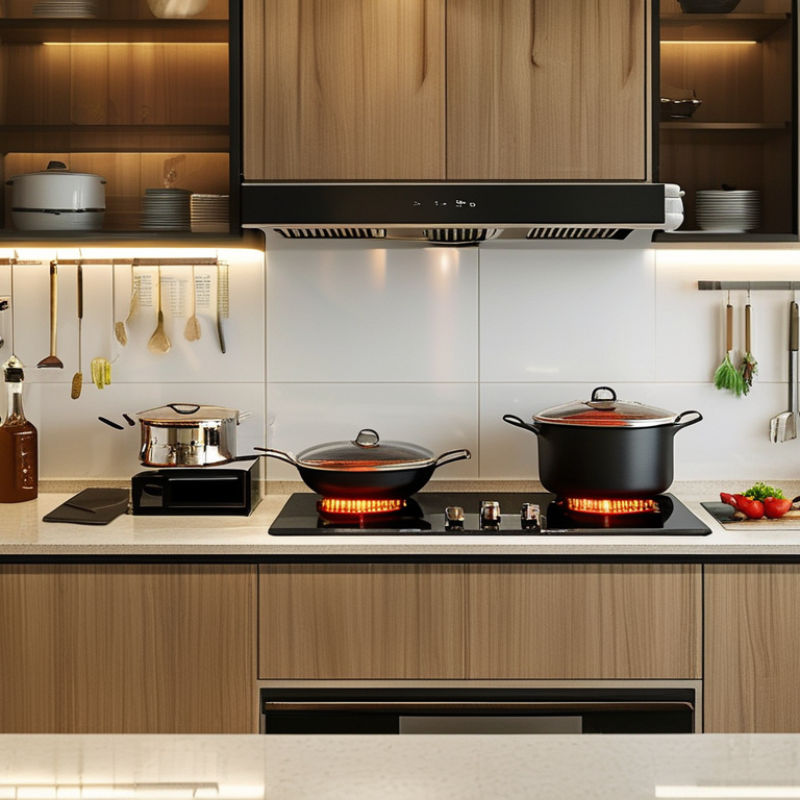
Factors to Consider When Choosing Induction Cooktop Size
When selecting the right size induction cooktop, first consider your cooking habits. A smaller unit can suffice for single-person households. However, larger families may require more cooking space. Pay attention to your kitchen layout. If you have limited counter space, a compact cooktop might be more fitting.
Tip: Measure your available counter space before purchasing. This ensures a proper fit, leaving room for food prep and other kitchen tasks.
Think about the types of meals you prepare. Frequent large dishes need a bigger cooktop. Conversely, if you mainly cook simple meals, a smaller model may work. Reflect on your future needs as well. Will your family size change? Are you planning to host gatherings?
Tip: Consider a flexible cooking zone. This allows for pans of different sizes and provides versatility. A multi-zone cooktop can adapt to your changing culinary requirements.
Ultimately, your kitchen choices should enhance your cooking experience. Prioritize practicality and visualization when selecting the perfect cooktop size.
Space Requirements: Measuring Your Cooking Area
When choosing an induction cooktop, measuring your cooking area is crucial. Most induction cooktops come in standard sizes, which typically range from 30 cm to 90 cm. However, your kitchen space can vary. A report from the National Kitchen and Bath Association shows that about 45% of kitchens are designed with limited space. This limitation can affect your cooktop selection.
Start by measuring the width and depth of your counter. Ensure that you also account for clearance above and around the cooktop. National Fire Protection Association guidelines suggest a minimum of 30 inches of clearance above cooking surfaces. This is essential for safe ventilation and proper operation. Moreover, examine the layout of your kitchen. If you have a compact space, a two-burner induction cooktop may suit your needs better than a larger model.
It’s also wise to think about your cooking habits. If you occasionally cook for larger gatherings, having adequate space is critical. As noted in reports from the Home Cooking Association, 65% of households prefer flexibility when cooking, often varying from small meals to large dinners. Sometimes, what seems ideal may not work well in practice. Prioritize your cooking style alongside your space measurements.
Cooking Needs: Evaluating Your Meal Preparation Habits
When selecting the right induction cooktop, understanding your cooking habits is crucial. According to a 2022 study by the National Kitchen & Bath Association, 63% of households prioritize meal preparation efficiency. Assess how often you cook for large groups versus smaller meals. If you frequently prepare family dinners, a larger cooktop may be essential. The convenience of larger units should not overshadow their storage concerns, especially in compact kitchens.
Meal preparation techniques also matter. Do you tend to simmer sauces or quickly sauté vegetables? Research indicates that 75% of cooks say they require precise temperature control for different dishes. Smaller models may not offer the versatility you need. Nonetheless, they can fit snugly into limited spaces. Remember, a large cooktop can be an overwhelming choice if you rarely use the extra burners.
Evaluating your cooking style can lead to a more informed decision. Are you an occasional cook, or do you dive into elaborate recipes? A report from the Cooking Institute states that 40% of home cooks wish they had chosen different appliances after the initial purchase. Reflect on what matters most in your kitchen. Balancing space, needs, and habits can lead to a more satisfying cooking experience.
Induction Cooktop Styles: Portable vs. Built-in Options
When selecting an induction cooktop, the choice between portable and built-in options greatly impacts functionality and space. Portable induction cooktops are favored for their flexibility and ease of use. They are compact, typically weighing around 6-10 pounds, making them ideal for small kitchens, dorms, or outdoor cooking. According to industry reports, the demand for portable cooktops has risen by over 30% in the last five years due to the increasing trend of mobile cooking solutions.
On the other hand, built-in induction cooktops offer seamless integration into kitchen designs. These units provide larger cooking surfaces, often featuring multiple burners. They are ideal for serious home chefs or those who frequently entertain. However, they require a commitment to a specific kitchen layout. A report from the National Kitchen and Bath Association indicates that built-in options have become popular in remodeled kitchens, appealing to 62% of homeowners looking to enhance their cooking experience.
Despite their advantages, both styles have their drawbacks. Portable models may lack advanced features like temperature control or precise cooking settings, which can frustrate some users. Built-in cooktops, while sophisticated, can be costly and challenging to install. Not every kitchen can accommodate them, leading to potential layout conflicts. Each option presents unique challenges, making it essential to evaluate personal cooking habits and kitchen space before deciding.
Heat Output and Zones: Understanding Cooking Efficiency
Choosing the right size induction cooktop involves more than just the dimensions. Understanding heat output and cooking zones is crucial for efficient cooking. A small cooktop may have fewer zones, which limits your ability to prepare multiple dishes at once. If you're cooking for a family, consider a model with larger cooking zones. This can reduce cooking time and enhance meal preparation efficiency.
Heat output defines how quickly your cooktop can reach desired temperatures. It’s essential to match the heat levels with your cooking needs. Higher wattage means quicker heating, but also a potential for uneven cooking if not monitored closely. The distribution of heat across the zones can vary. Some cooktops showcase hot spots, making it difficult for inexperienced cooks.
Reflect on your cooking habits. Do you often use multiple pots? If so, choose a cooktop with ample zones. Delve into specifications and warranties. Understanding these details helps ensure you make an informed decision. It's easy to overlook what seems unimportant, but every feature plays a role in your cooking experience.
Induction Cooktop Sizes and Heat Output Comparison
This bar chart illustrates the heat output of different sizes of induction cooktops. As the size increases, the heat output also increases, which can enhance cooking efficiency for various culinary needs.
Conclusion
When considering "what size induction cooktop do I need," it's essential to evaluate several factors tailored to your specific cooking environment and habits. Start by measuring your available cooking space to ensure the cooktop fits seamlessly into your kitchen layout. Assess your meal preparation habits—whether you often cook for a large family or prefer smaller, casual meals—this will dictate the number of cooking zones and overall size required.
Additionally, consider the style of induction cooktop that best suits your lifestyle, choosing between portable options for flexibility or built-in units for a more permanent setup. Lastly, understanding the heat output and efficiency of different models can significantly impact your cooking experience. By taking these elements into account, you can confidently select an induction cooktop that meets your culinary needs.

 Aris Cooktop