Choosing the right induction cooktop is essential for an efficient kitchen experience. With the rise of modern cooking, many home cooks are switching to induction technology. However, understanding how to choose the right induction cooktop can be overwhelming. There are many options available, each with unique features.
Consider your cooking habits and lifestyle. Do you cook for a large family or just for yourself? Knowing your needs can significantly influence your choice. Pay attention to the size and wattage of the cooktop. Higher watts mean faster cooking times, but size matters for your kitchen space.
Durability and brand reputation also play crucial roles. You might be tempted by the lower price, but investing in a quality product can save you money in the long run. Explore user reviews and expert opinions to gauge reliability. Ultimately, finding the right induction cooktop involves balancing your needs, budget, and the specific features that cater to your cooking style.
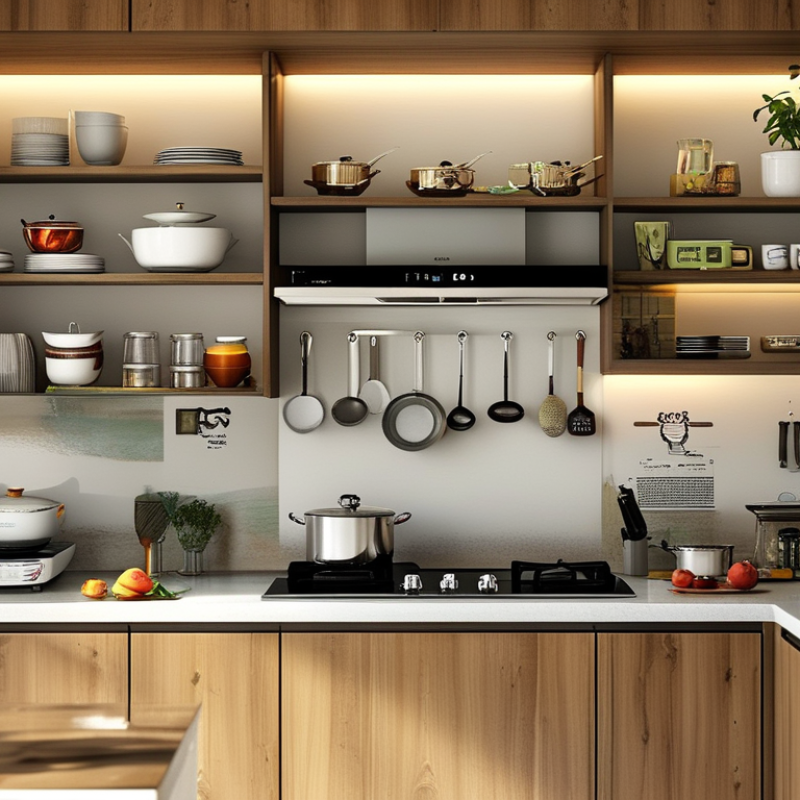
When selecting an induction cooktop, several crucial factors come into play. First, consider the size of your kitchen and your cooking habits. A compact unit may suit small spaces, while larger households may benefit from a multi-burner model. According to the U.S. Department of Energy, induction cooktops can save up to 70% more energy than traditional gas burners. This efficiency is essential for both the environment and your electricity bill.
Next, the power output is key. Models range from 1,200 to 3,700 watts. Higher wattage provides faster cooking but may be excessive for occasional users. Check for adjustable settings to tailor the cooktop to your needs. Safety features are non-negotiable. Look for options with auto shut-off and child lock functions to ensure peace of mind.
Lastly, build quality matters. Induction cooktops often feature glass or ceramic surfaces, which should be durable and easy to clean. While sleek designs are appealing, they may not always perform well under heavy use. A report from the Consumer Product Safety Commission highlighted that durability is a significant concern among users. Choosing wisely could prevent dissatisfaction down the road.
| Factor | Description |
|---|---|
| Power Level | Consider the wattage and the ability to adjust heat levels for different cooking requirements. |
| Size | Ensure the cooktop fits your kitchen space and can accommodate your cookware. |
| Control Type | Choose between touch controls and traditional knobs based on your preference for ease of use. |
| Safety Features | Look for automatic shut-off, child lock, and pan detection for added safety. |
| Portability | If you plan to move it frequently, consider a lightweight and compact model. |
| Price | Set a budget that reflects your needs and choose a cooktop that offers value for money. |
| Warranty | Check the warranty period and what it covers to ensure peace of mind with your purchase. |
: There are portable models and built-in options. Portable cooktops are lightweight and easy to store.
Built-in models integrate into counter space. They usually offer multiple burners and advanced features.
Yes, they use electromagnetic energy to heat cookware directly. This means faster cooking compared to traditional methods.
They remain cool to the touch, reducing burn risks. Many have child lock features for added safety.
Not all cookware is compatible. Investing in magnetic cookware is recommended for best results.
Regular cleaning with a soft cloth is crucial. Clean spills immediately to avoid tough stains later.
Regularly check for imperfections. If you find damage, consider professional repair to prevent further issues.
Avoid rough scrubbers, as they can scratch the surface. Be gentle to maintain the cooktop’s condition.
Allow the cooktop to cool down before cleaning. This prevents damage and ensures safe usage.
Each induction type has pros and cons. Understanding your needs helps in selecting the right cooktop.
When considering how to choose the right induction cooktop, various factors come into play, such as size, power capabilities, and specific cooking needs. Different types of induction cooktops are available, ranging from portable models to built-in options, each offering unique benefits tailored to various cooking styles. Induction cooktops not only provide a faster cooking experience compared to traditional methods but also enhance safety by minimizing burn risks and reducing the heat emitted into the surrounding area.
Moreover, their efficiency leads to quicker meal preparation, making them an appealing choice for modern kitchens. To ensure the longevity of your induction cooktop, proper maintenance practices are essential, including regular cleaning and avoiding abrasive materials. By understanding these key aspects, you can confidently select an induction cooktop that truly meets your culinary demands.

 Aris Cooktop