Choosing the right cookware for induction cooktops can be challenging. As chef and culinary expert Mark Bittman states, "Induction cooking requires ferrous materials that can generate heat." Understanding what cookware works on induction cooktops is essential for optimal cooking performance.
Induction cooktops are known for their efficiency and quick heat response. However, not all cookware is compatible. Magnetic materials are the key. Cookware made of cast iron, stainless steel, or magnetic stainless steel will work best. Non-magnetic cookware, such as aluminum or copper, won't work on these surfaces.
Many users often overlook these details, leading to frustration. Choosing the right materials can significantly enhance your cooking experience. Investing in quality cookware is essential. It ensures not only compatibility but also durability and safety in the kitchen. Remember, take time to educate yourself about the specific requirements for induction cooking.
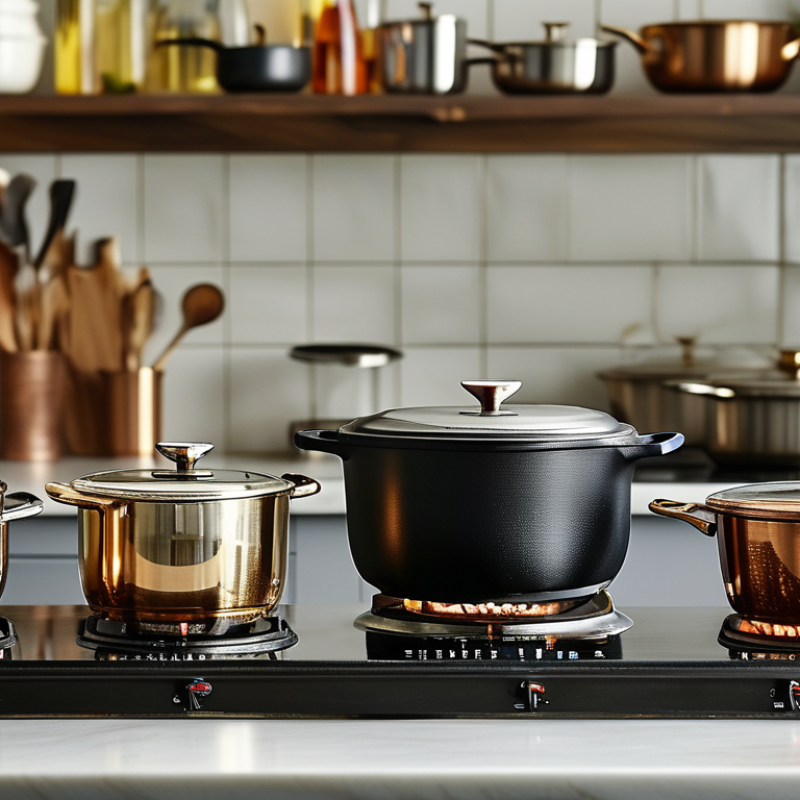
When selecting cookware for induction cooktops, it’s essential to choose materials that are magnetic and heat-resistant. Induction cooktops work by creating a magnetic field that heats the cookware directly. According to industry reports, stainless steel, cast iron, and certain non-stick materials are highly regarded for their compatibility with induction cooking. These materials conduct heat efficiently and respond quickly to temperature adjustments.
Stainless steel offers durability and excellent performance. It heats evenly, making it ideal for various cooking tasks. Cast iron retains heat remarkably well, ensuring consistent cooking temperatures. It’s worth noting that some novice cooks may struggle with maintaining the proper heat, as cast iron can run hot, leading to uneven results. Non-stick induction-compatible cookware also benefits from easy cleanup but may require more careful handling to preserve the coating over time.
While many options exist, not all cookware is suited for induction. Some glass and aluminum pans may not heat effectively unless they have a magnetic base. Many consumers overlook these details, leading to frustration in the kitchen. Research indicates that a significant number of users report dissatisfaction solely due to incompatible cookware choices. Therefore, understanding the types of materials that work best is crucial for achieving cooking success on induction cooktops.
| Cookware Type | Material | Compatibility | Durability | Price Range |
|---|---|---|---|---|
| Frying Pan | Stainless Steel | Induction | High | $30 - $150 |
| Saucepan | Aluminum | Induction | Medium | $25 - $100 |
| Stockpot | Cast Iron | Induction | Very High | $40 - $200 |
| Griddle | Carbon Steel | Induction | High | $30 - $120 |
| Wok | Stainless Steel | Induction | Medium | $25 - $90 |
: Magnetic and heat-resistant materials work best. Stainless steel, cast iron, and some non-stick types are recommended.
Heavier cookware provides stability and better heat retention, influencing cooking efficiency by nearly 20%.
Check for a magnetic base. If a magnet sticks, it is likely compatible with induction cooktops.
Many users overlook material compatibility, leading to frustration and poor cooking experiences.
Regularly check for scratches and clean with gentle methods. Avoid abrasive cleaners to protect the surface.
Leaving moisture can cause rust or corrosion over time. Immediate drying enhances longevity.
Look for ergonomic, well-designed handles. Poor handles often lead to user complaints and accidents.
Poor maintenance can lead to uneven heating and reduce cooking performance, causing frustrating experiences.
Good condition can enhance energy efficiency by up to 20%. Neglecting maintenance impacts heat distribution.
Yes, but ensure it is specifically labeled as induction-compatible to avoid heating issues.
In "2026 Best Cookware for Induction Cooktops: What to Choose?", the article provides an in-depth guide on selecting the most suitable cookware for induction cooking. It begins by highlighting the types of cookware that work on induction cooktops, emphasizing the need for ferrous materials that interact effectively with magnetic fields. Key features to consider include flat bottoms for even heating, sturdiness, and compatibility with different heat sources.
The article also discusses the top material choices for induction cookware, weighing the pros and cons of options like stainless steel, cast iron, and aluminum with magnetic bases. It offers practical recommendations for maintaining and caring for induction cookware to ensure longevity and optimal performance. Overall, this guide serves as a comprehensive resource for anyone looking to invest in high-quality cookware that works on induction cooktops.

 Aris Cooktop