Induction cooking has gained popularity among home cooks and chefs alike. Many buyers wonder, "what are the benefits of induction cooking?" This innovative cooking method offers speed and efficiency. The heat generated is direct and immediate, which allows for precise temperature control. Food cooks quicker than traditional methods, saving valuable time in the kitchen.
Safety is another significant advantage. Induction cooktops remain cool to the touch, reducing the risk of burns. This feature is particularly appealing for families with small children. Additionally, the ease of cleaning is notable. Spills do not burn onto the surface, making cleanup a breeze. However, some buyers may find the learning curve challenging when adjusting to this technology.
Moreover, energy efficiency is a crucial factor. Induction cooking consumes less energy compared to gas or electric stoves. This efficiency translates to cost savings on utility bills. Despite these benefits, buyers should consider the initial investment. Induction cooktops can be more expensive than traditional alternatives. Balancing long-term savings with upfront costs can require reflection.
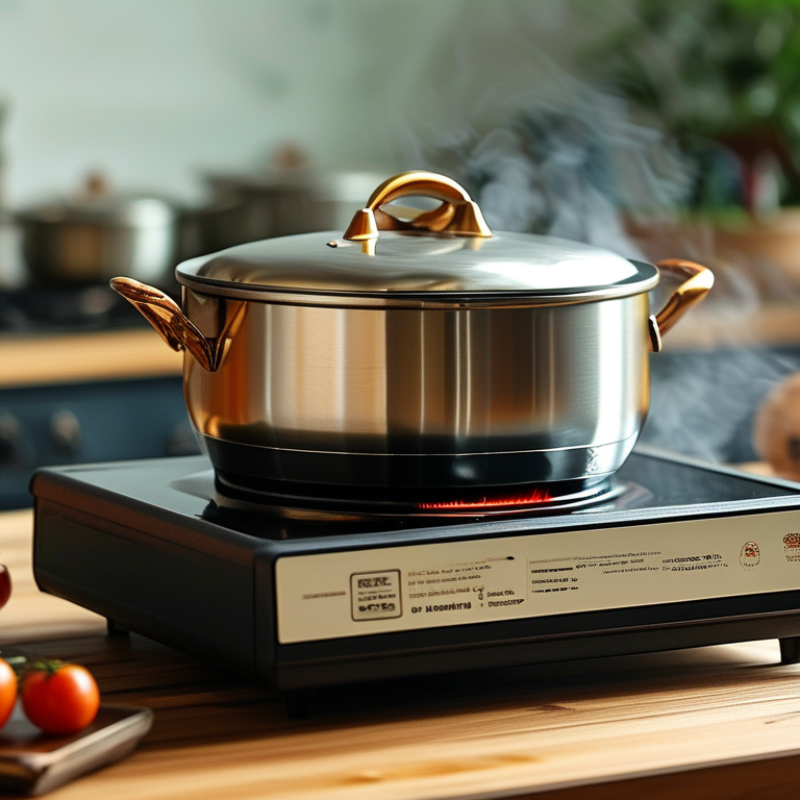
Induction cooking technology is gaining popularity due to its efficiency and precision. Unlike traditional methods, induction cooking uses magnetic fields to directly heat pots and pans. This results in faster cooking times, which can save energy. When you bring the pan to the magnetic field, it heats instantly. This means less waiting and more cooking.
One key aspect of induction cooking is temperature control. Chefs appreciate how they can adjust heat quickly. Need to simmer? Just lower the power. The heat change is instantaneous. This level of control is a game-changer for many home cooks. However, it requires compatible cookware made from ferrous materials. If you don't have the right pots, that can be a hassle.
Safety is another significant benefit. Since the cooktop itself doesn't get hot, the risk of burns is reduced. But remember, the surface can still be warm after cooking. Induction cooking is also easy to clean, as spills don't scorch onto the surface. Yet, some users may find the upfront cost of induction cooktops to be higher. Is it worth it for efficient cooking and safety? That’s a personal consideration.
Induction cooking offers a transformative approach to energy efficiency and cost savings for buyers. According to the U.S. Department of Energy, induction cooktops operate at about 90% energy efficiency, compared to around 74% for gas and 65% for traditional electric cooking methods. This impressive efficiency translates to lower utility bills over time. As households increasingly seek to reduce their energy costs, induction cooking presents a viable solution.
Furthermore, induction technology heats pots and pans directly through magnetic fields. This means less heat is wasted during cooking. A study by the International Energy Agency found that using induction cookers can save households approximately 30% in cooking energy use. Additionally, induction cooking provides faster heating. Water can boil in about half the time of gas or electric stoves. This swift performance encourages users to turn off appliances shortly after cooking, promoting further savings.
However, it’s worth noting that induction cooktops often come with a higher upfront cost compared to conventional options. This initial investment can be a barrier for some buyers. To maximize benefits, potential users should weigh these costs against long-term savings. As awareness grows, the market for induction cooking continues to evolve, pushing manufacturers to innovate and expand accessibility.
| Benefit | Description | Estimated Annual Savings |
|---|---|---|
| Energy Efficiency | Induction cooking uses electromagnetic energy to heat pots and pans directly, resulting in less energy waste compared to traditional cooking methods. | $150 |
| Faster Cooking Time | Boiling water and cooking food can be significantly faster, reducing overall cooking time. | N/A |
| Safety Features | Induction cooktops remain cool to the touch, reducing the risk of burns and injury during cooking. | N/A |
| Cleanliness and Maintenance | Induction cooktops are easier to clean as spills do not burn onto the surface due to lower cooking temperatures. | $50 |
| Cost Savings | Long-term energy savings can translate to lower utility bills, making them a cost-effective cooking solution. | $200 |
Induction cooking stands out for its impressive speed and precision. Unlike traditional methods, induction stoves use electromagnetic energy to directly heat pots and pans. This technology reduces cooking time significantly. According to the U.S. Department of Energy, induction cooking can boil water in about half the time compared to gas. Such efficiency can save valuable minutes in a busy kitchen.
Precision is another key benefit of induction cooking. Users can control temperatures with remarkable accuracy, reducing the likelihood of overcooking or burning food. A study from the National Renewable Energy Laboratory highlights that induction cooktops maintain an even temperature across the surface, ensuring dishes cook uniformly. This level of consistency appeals to home chefs who prioritize quality.
However, there are challenges to consider. Not all cookware is suitable for induction cooking; it must be ferrous. Users may need to invest in new pots and pans. This initial cost can be a barrier for some buyers. Additionally, while many find induction stoves easy to clean, spills can sometimes require extra effort due to the lingering heat from the cookware. These factors encourage potential buyers to weigh their options carefully before making a decision.
Induction cooking offers remarkable safety features that set it apart from traditional cooking methods. One of the primary benefits is its ability to prevent burns. Since induction cooktops only heat the cookware, the surface remains relatively cool. According to a study by the U.S. Consumer Products Safety Commission, induction cooking can reduce the risk of burns by up to 80%. This is especially beneficial in households with children or elderly individuals.
Another key safety aspect is the automatic shut-off capability. Many induction cooktops come equipped with sensors that detect whether a pot is present. If it is removed, the cooktop shuts off, minimizing the risk of accidents. The International Journal of Environmental Research and Public Health reports that this feature significantly enhances safety in busy kitchens.
Induction cooking also minimizes the risk of fire. An estimated 170,000 residential fires related to cooking occur each year in the U.S., according to FEMA. The non-flammable nature of induction cooking reduces these incidents. However, some users may find the technology daunting or overly sensitive. This reaction can stem from an unfamiliarity with how induction cooking works. Training sessions could address these challenges, fostering a better understanding of safety features.
Induction cooktops offer significant advantages when it comes to cleaning and maintenance. The smooth surface of induction cookers is one of their most attractive features. Since they do not get as hot as traditional cooktops, spilled food is less likely to burn onto the surface. This makes cleaning up a breeze. A quick wipe with a damp cloth usually does the trick.
For those who adore efficiency, embracing induction cooking is a wise choice. It minimizes the effort required to maintain the cooktop’s pristine condition. If something does get stuck, a gentle scrub with a non-abrasive cleaner can restore it. Keep in mind that the sensitivity of the induction surface means avoiding harsh chemicals or scouring pads.
Tip: Regularly clean your induction stove after each use to prevent residue buildup. A little prevention goes a long way. Avoid leaving items on the cooktop when not in use. This will help maintain its sleek look. Induction cooktops shine best when given proper care, and it’s worth the effort.
: Induction cooking uses magnetic fields to heat pots and pans directly. This makes cooking faster and energy-efficient.
Temperature adjustment is quick and instant. Lower the power for simmering without waiting. It’s quite precise.
Yes, the cooktop itself stays cool, reducing burn risks. However, surfaces can still be warm after use.
Not all cookware works. Only ferrous materials are compatible. Wrong pots can be a hassle to deal with.
Induction cooktops operate at about 90% efficiency. This translates to lower utility bills and overall energy use.
Initial costs can be significant compared to traditional stoves. However, long-term energy savings might justify this investment.
Yes, spills don't scorch onto the surface. Cleaning is easier compared to traditional methods, making it a practical choice.
Many induction cooktops detect pot presence. If a pot is removed, the cooktop shuts off, enhancing safety during cooking.
Induction cooking is non-flammable. This significantly lowers the chances of cooking-related fires in households.
Some users may feel overwhelmed initially. Training sessions may help improve understanding and comfort with induction cooking.
Induction cooking has gained popularity among buyers for several compelling reasons. Firstly, understanding induction cooking technology reveals its innovative nature, which allows for direct heating of cookware, resulting in exceptional energy efficiency and cost savings. This method not only reduces energy consumption but also cuts down on cooking time, making it a practical choice for modern kitchens.
Moreover, the speed and precision of induction stoves enhance cooking performance, allowing users to achieve optimal results effortlessly. Safety is another critical aspect, as induction cooktops remain cool to the touch and feature automatic shut-off mechanisms, significantly reducing the risk of burns and accidents. Finally, the ease of cleaning and maintenance further solidifies the appeal of induction cooking. In summary, when considering what are the benefits of induction cooking, buyers can appreciate the blend of efficiency, safety, and convenience that induction stoves offer for their culinary experiences.
